Ever stared at a freight invoice at 2 a.m., doing the math over and over, wondering how housing costs spiraled out of control?
Tom, a construction manager in Southeast Asia, watched shipping eat a huge chunk of his worker housing budget.
Maria, running a small homestay business in Greece, realized expansion wasn’t limited by demand—it was limited by logistics.
Alex, a startup founder, lost weeks waiting for an on-site office to arrive.
Different industries. Same problem.
Then the math changed.
By switching to the GS Mini 700, all three solved the same headache in different ways—because this unit was designed around shipping first, not as an afterthought. GS Housing’s modular housing systems→https://www.gshousingchina.com
Whether you’re setting up worker housing in a remote mining site, adding rooms to a coastal homestay, or deploying a temporary office that moves with your team, this guide shows how to:
Cut freight costs by up to 40–55%, depending on your current shipping method
Deploy a 27.5㎡ living space in hours, not weeks
Reuse the same units across projects instead of starting from zero every time
Including a real-world construction case where freight savings alone justified the switch.
The GS Mini 700 Shipping Advantage: Why the Numbers Actually Work
Let’s be clear—this isn’t a marketing trick. It’s basic logistics done right.
Folded to Ship. Built to Live In
expandable container house design
→https://gsmobilehouse.com/700-dual-wing-expandable-container-house/
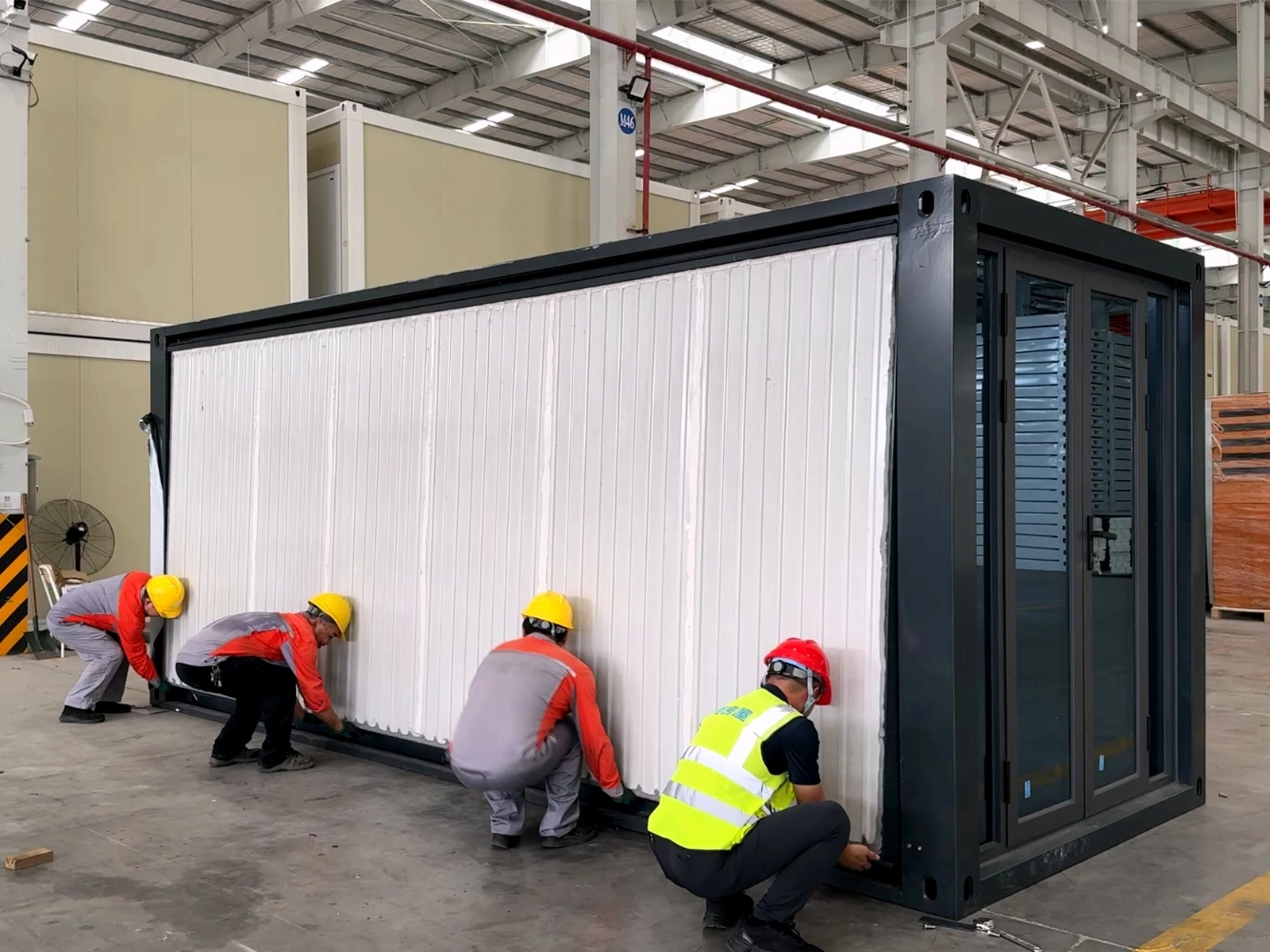
In transport mode, the GS Mini 700 folds down to just 700mm in width.
That’s the key reason up to 6 units can fit inside a single standard 40ft container, depending on configuration and packing plan.
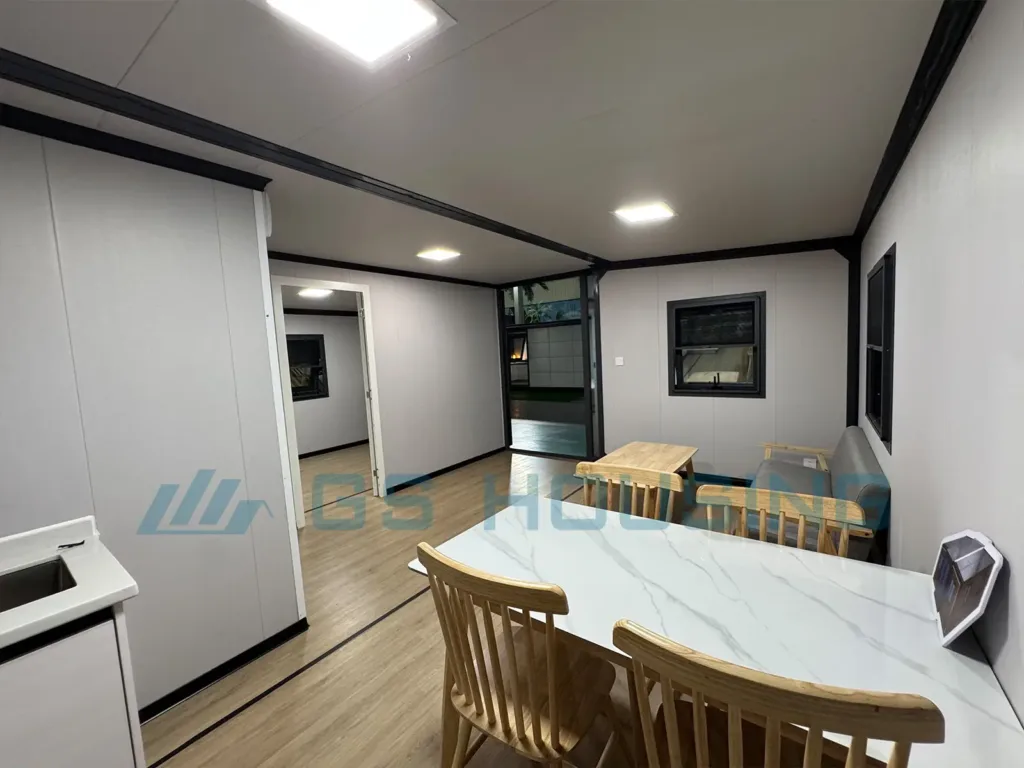
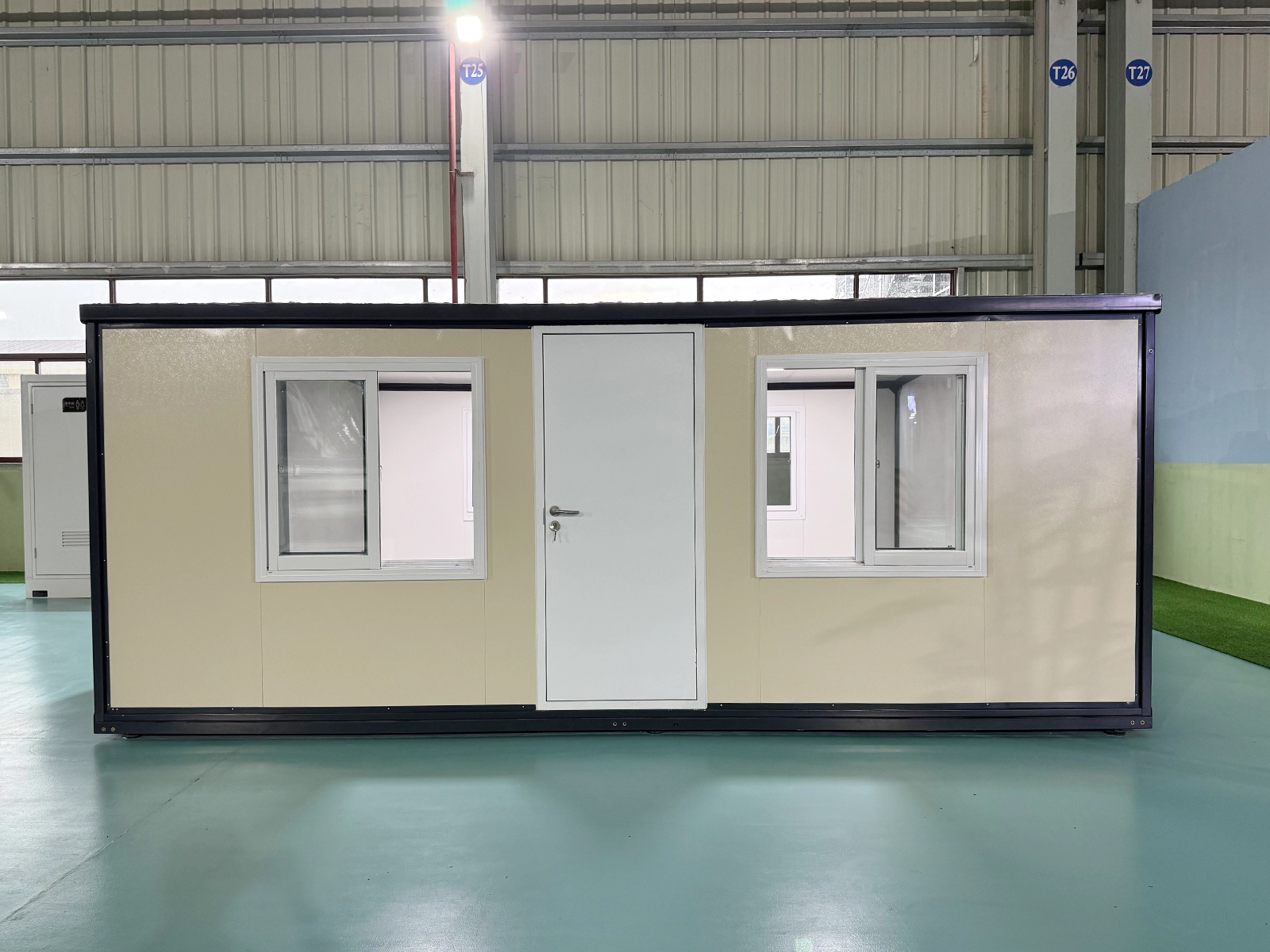
Once on site, each unit unfolds to 4.8 meters wide, delivering 27.5㎡ (≈296 sq ft) of usable space.
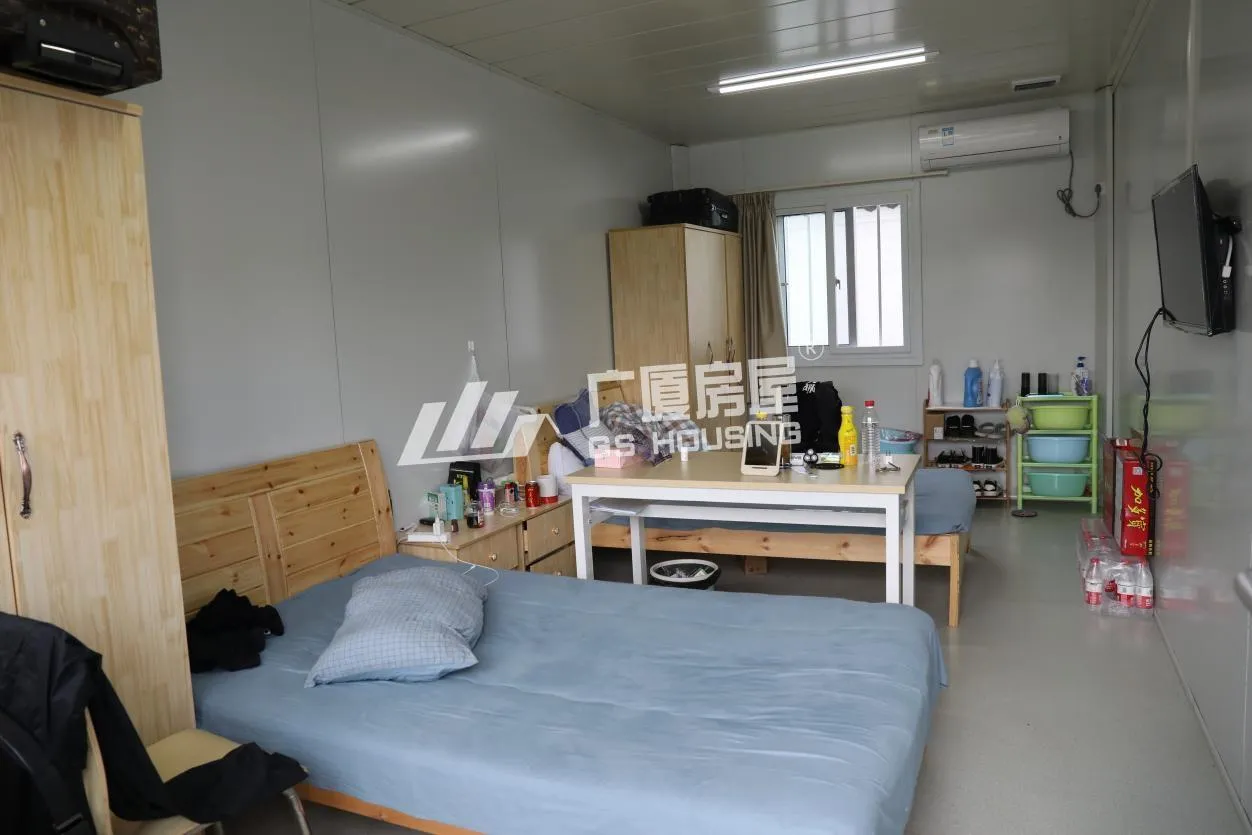
Layout-wise, it’s a one-living-room, dual-wing design, comfortable for 2–4 people, without feeling cramped.
Shipping compact. Living full-size.
Freight Savings Explained (No Hand-Waving)
Freight costs vary by season, route, and port—but the structure of the savings is consistent.
Traditional modular or expandable units often ship at 1–2 units per 40ft container.
That means the full container cost is absorbed by very few units.
With the GS Mini 700, that same container cost is shared across up to 6 units.
What That Looks Like in Practice
Typical international freight for a 40ft container often falls in this range:
USD 6,000–9,000 per 40ft container, depending on route and timing
When spread across multiple units:
Traditional non–flat-pack units:
USD 3,000–9,000 per unit in freight
GS Mini 700 (flat-pack configuration):
Roughly USD 1,000–1,500 per unit, depending on destination
That’s where the 40–55% freight reduction comes from—compared with conventional non–flat-pack or low-density shipping methods.
No loopholes. Just better use of container space.
Ready to Stop Waiting and Start Working?
Each Mini 700 delivers 27.5㎡ once unfolded.
That means:
6 units × 27.5㎡ = 165㎡ of usable space shipped in one container.
Enough for:
Worker dormitories
Guest cabins
Site offices
Emergency or transitional housing
And because everything ships as standard cargo:
No special handling
No oversized cargo fees
Fewer customs delays
Fast Deployment: From Container to Move-In Ready
Speed is often the hidden cost nobody budgets for.
With the Mini 700:
- Factory Prefab
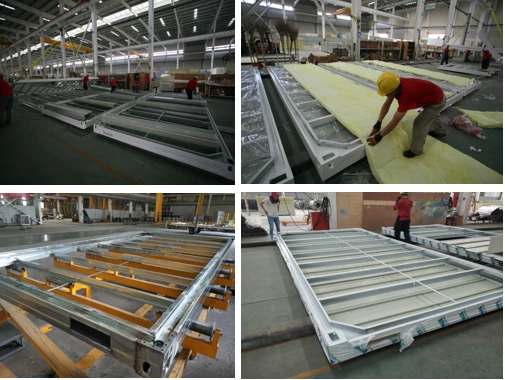
Production typically takes 2–3 weeks, built under controlled conditions.
- Global Shipping
Standard container shipping—no special transport required.
3.On-Site Setup
Each unit unfolds and installs in approximately 4–8 hours with a small crew.
No heavy foundations. No long contractor chains.
For project teams, that means housing dozens of people in days instead of waiting weeks.
27.5㎡ That Actually Works: Three Common Use Cases
1. Construction Camps: Practical Worker Housing
Tom’s team needed housing that could move when the project moved.
Each Mini 700 comfortably fits:
2–4 beds
Storage
A small shared living area
Because freight is shared across multiple units, transport cost per worker drops significantly, especially on large deployments.
Once the project ends, the units relocate—no demolition, no waste.
2. Homestays & Cabins: Expand Without Overbuilding
For operators like Maria, the appeal wasn’t just cost—it was flexibility.
A 27.5㎡ layout allows:
One bedroom + living area
Or a compact two-room layout
Lower shipping density means startup costs stay manageable, especially for island or coastal destinations.
Exterior finishes can be adapted locally, without major on-site construction.
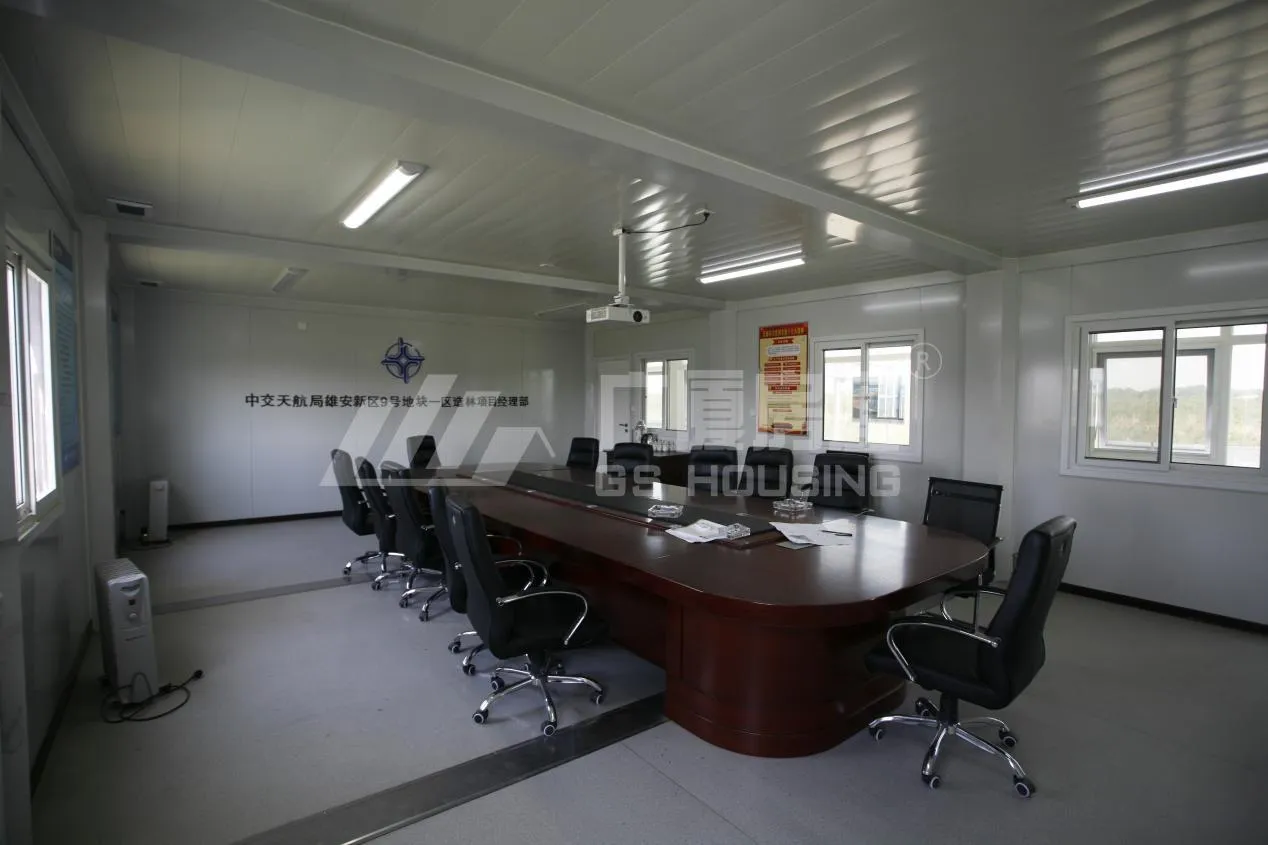
3. Offices That Move With You
Alex didn’t want a lease. He wanted mobility.
The Mini 700 easily fits:
6–8 workstations
Or a private office plus a team area
When the project moves, the office moves too—without starting from scratch.
Real-World Example: Freight Savings That Changed the Decision
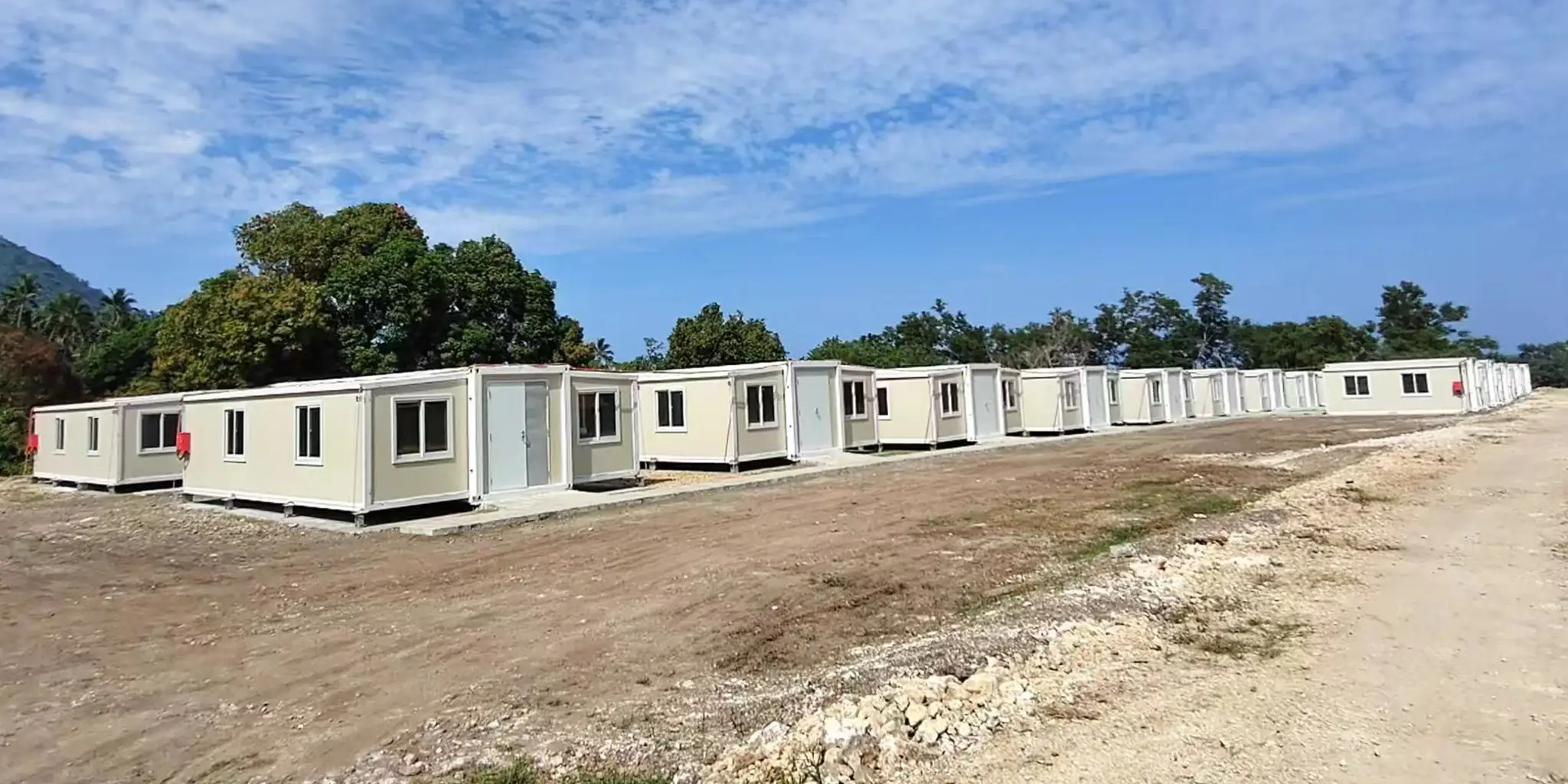
A construction firm needed housing for 48 workers at a Southeast Asia site, on a tight schedule.
Solution:
12 GS Mini 700 units shipped as 2 × 40ft containers.
Results:
Freight costs were reduced by more than 40% compared with their previous shipping method
Units were deployed on site within days
Six months later, the same units were relocated to a new project
As the project manager put it:
“Once we saw the shipping math, the decision was easy. Everything else was a bonus.”
FAQ: Straight Answers
Q: What’s the typical total cost per unit?
A: Pricing varies by configuration and destination. Many projects find the Mini 700 to be 30–45% more cost-efficient overall compared with similar expandable units once freight is included.
Q: Can it handle tough climates?
A: Yes. Galvanized steel framing, insulated panels, and tested structural performance make it suitable for a wide range of environments.
Q: Is it customizable?
A: Layouts, finishes, windows, and add-ons can all be adjusted without affecting the flat-pack shipping advantage.
Final Thought
Why pay to ship air?
With a 700mm folded width, 4.8m expanded footprint, and 27.5㎡ of real living space, the GS Mini 700 turns logistics from a cost problem into a competitive advantage.
One container. Multiple units. Faster setup. Smarter spending.
If freight has been the silent budget killer on your last project, it might be time to rethink how space is shipped—not just how it’s built.
Get a tailored cost and shipping plan based on your location and use case—and see the difference the numbers make→https://gsmobilehouse.com/