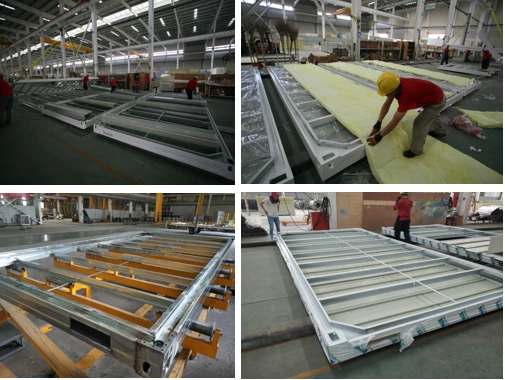
Introduction: Why Waterproofing & Insulation Decide Whether You’ll Regret the Purchase
Most expandable container homes look fine on delivery day.
The problems usually start later—after the first heavy rain, after the first cold night, or after you realize the air conditioner never seems to catch up.
That’s when small design shortcuts turn into real issues: water dripping at the corners like a slow leak in a roof, condensation sweating inside the walls, rising power bills that feel like a hidden tax, and repairs no one mentioned during the sales pitch.
Waterproofing and insulation rarely make it into glossy brochures. But in real-world use, they decide whether your space stays comfortable and dry—or slowly becomes a costly, damp headache. If you’re planning to use one as worker housing, a homestay, or a site office, these two features matter more than any finish. Below are the details experienced buyers check before signing—because fixing them later is always more expensive and disruptive.
Feature 1: Waterproofing – Look for These 3 Details to Avoid Leaky Nightmares
Water is the #1 long-term enemy of container structures. Many fail not because of materials, but due to poor rainwater management—think of it as the building’s circulatory system; if it’s poorly designed, the whole structure gets sick.
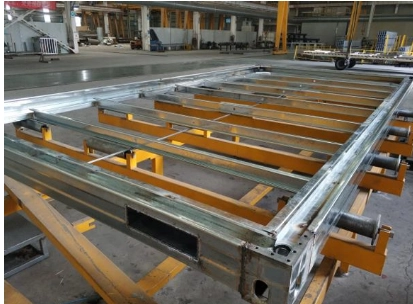
- Internal Downspouts in Corner Posts (The Hidden Highway for Rainwater)
In well-designed homes, rainwater downpipes are built inside the four steel corner posts. You won’t see them—and that’s the point. It’s like having all your home’s plumbing sealed safely within the walls, not tacked on outside where it can be damaged.
Why this matters: External pipes get hit, bent, or cracked during shipping, lifting, or storms. Once damaged, water has nowhere to go but into your walls. Internal drainage is a protected highway that guides water away without creating entry points for leaks at seams and joints.
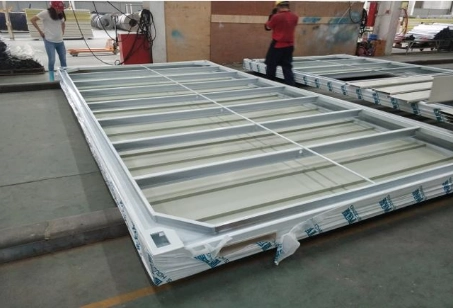
- Nail-Free Roof with 360° Standing Seam + Butyl Tape (Sealed Like a Ziploc Bag, Not a Perforated Lid)
Roof nails are leaks waiting to happen. Metal expands and contracts with temperature changes, breaking seals around each fastener. A proper roof should have:
No nails or exposed fasteners.
360° standing seam technology, where panels interlock tightly.
Continuous butyl tape sealing at all joints.
The result is a roof that works like a perfectly sealed Ziploc bag or a welded can lid—a single, continuous barrier.See how proper roof waterproofing design eliminates exposed fasteners→ https://gsmobilehouse.com/container-house/ In contrast, nailed corrugated roofs are more like a colander; they might hold for a while, but eventually, every hole is a potential drip.
- 0.5mm Color Steel Roof Panels (An Armor, Not Just a Lid)
A thin roof panel doesn’t fail dramatically; it fails quietly. A small dent from hail, a tool drop, or transport stress can create a weak spot. Over time, this spot becomes a door for water.
0.5mm color steel is the baseline armor. It means:
Resistance to dents during handling.
Stability under wind and thermal stress.
Longevity, especially in harsh climates.
You don’t notice a good roof—but you’ll painfully notice a bad one after the first storm.
Feature 2: Insulation — Where Comfort, Safety, and Energy Bills Are Decided
Insulation isn’t just fluffy material; it’s your home’s climate control suit. A good one keeps you comfortable and safe in all seasons; a bad one leaves you shivering or sweating, no matter what your heater or AC does.
- A-Grade Fireproof Insulation (Your Building’s Fireproof Jacket)
For dorms, offices, or rentals, Class A non-combustible insulation is non-negotiable—it’s basic risk management. Think of it as a fireproof jacket wrapped around the steel frame.
Roof: 100mm glass wool with aluminum foil (reflects heat, insulates, dampens noise).
Walls: 60mm hydrophobic basalt rock wool (repels moisture, resists mold, won’t burn).
Floor: Cement fiberboard + flame-retardant PVC.
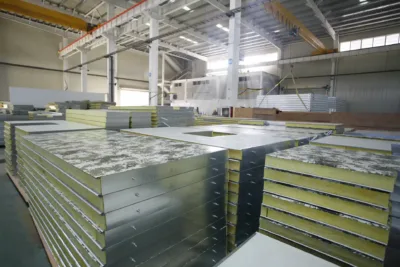
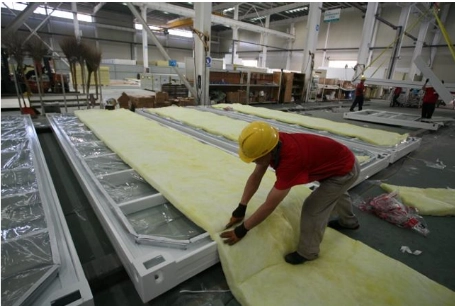
Cheap alternatives use flammable foam—like wearing a plastic bag in a heatwave; it might seem okay until crisis hits.
- Cold Bridge Prevention (Plugging the Draughty Gaps in Your Suit)
Even the best insulation can fail at joints and connections—these “cold bridges” are where heat escapes and condensation forms, like drafts through a badly fitted window.
A reliable system addresses this with:
Insulation blocks inside corner posts.
Thermal tape sealing frame connections.
Interlocking (S-shaped) wall panels.These details plug the gaps, potentially cutting your HVAC energy use by 30% and stopping mold before it starts.
What to Avoid: The Red Flags
Avoid units that rely on:
“Waterproof coating only” (a band-aid, not a solution).
Exposed roof nails (future leak points).
Unrated or foam insulation (a safety and efficiency gamble).
Hollow, uninsulated joints (the main drafts and condensation sources).
These shortcuts look acceptable on day one but fail quietly over time.
Real-World Impact: When the Details Are Ignored
A construction company in Southeast Asia chose low-cost units with nailed roofs and minimal insulation. Within months:
Monsoon rains caused persistent leaks.
Indoor temps soared above 38°C (100°F).
Energy costs jumped nearly 50%.
After switching to units with internal drainage, nail-free roofs, and full A-grade insulation, the leaks stopped and operating costs normalized. The initial “savings” vanished in the first repair cycle.
Your Pre-Purchase Checklist
Before you sign, ask:
- Are the rain pipes inside the corner posts (hidden highway)?
- Is the roof completely nail-free (ziploc-sealed), with standing seams?
- Is all insulation Class A fireproof (fireproof jacket)?
- How are cold bridges prevented at joints (draft plugs)?
Vague answers mean you should walk away.
Conclusion: Dry, Safe, and Efficient Isn’t a Luxury—It’s the Point
An expandable container home is only a smart investment if it performs year after year. The unseen details—the hidden waterways, the continuous seals, the fireproof climate suit—are what make the difference between a durable asset and a recurring problem.
At GS Housing, these features are standard. We believe the details you can’t see on day one are the ones that matter most on day 500.
Ready to look beyond the brochure? Explore the technical specifications and engineering details that make our systems durable.
Explore GS Housing’s Engineered Solutions & Technical Designs→