Every delayed housing setup pushes your project back before work even begins.On most construction sites, delays don’t start with broken machines or missing materials.They start when crews arrive—and housing isn’t ready.
People show up prepared to work. The site isn’t. Days disappear before the first real task even begins. Not because of engineering problems, but because living space was treated as something to “figure out later.”
A job site camp isn’t a side detail.
It decides how the site actually runs.
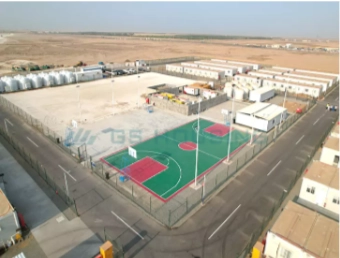
Workers Don’t Run on Schedules. They Run on Sleep.
Construction depends on people. And people don’t perform well when they’re exhausted, overheated, or packed into spaces meant to be temporary—for far too long.
Comfort on site isn’t a luxury.
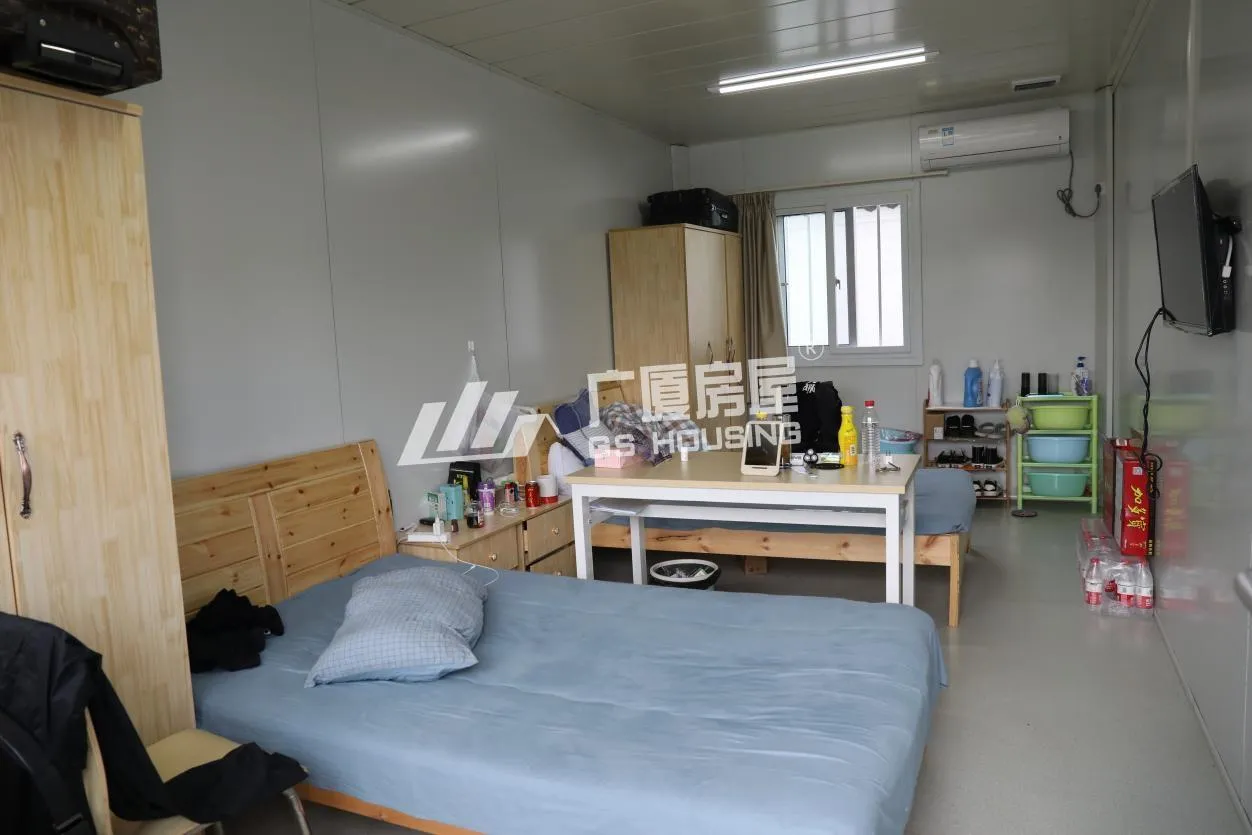
It’s what keeps projects from quietly falling apart.
This is something GS Housing learned early. GS Housing’s long-term site deployment experience→https://www.gshousingchina.com/about/about-us/ Long before expandable container camps became popular, large worker accommodation projects kept proving the same thing: when living conditions improved, productivity followed—almost immediately.
Good housing affects things people rarely label as “accommodation issues.”
Sleep.
Fewer injuries.
Less snapping at coworkers after twelve-hour shifts.
You won’t see those benefits in a spreadsheet.
You will feel them in the schedule.
Labor Demand Never Stays Still. Camps Should.
Every project changes shape.
Early crews are small.
Peak phases aren’t.
Then numbers drop again.
Buildings don’t adapt well to that.
Camps have to.
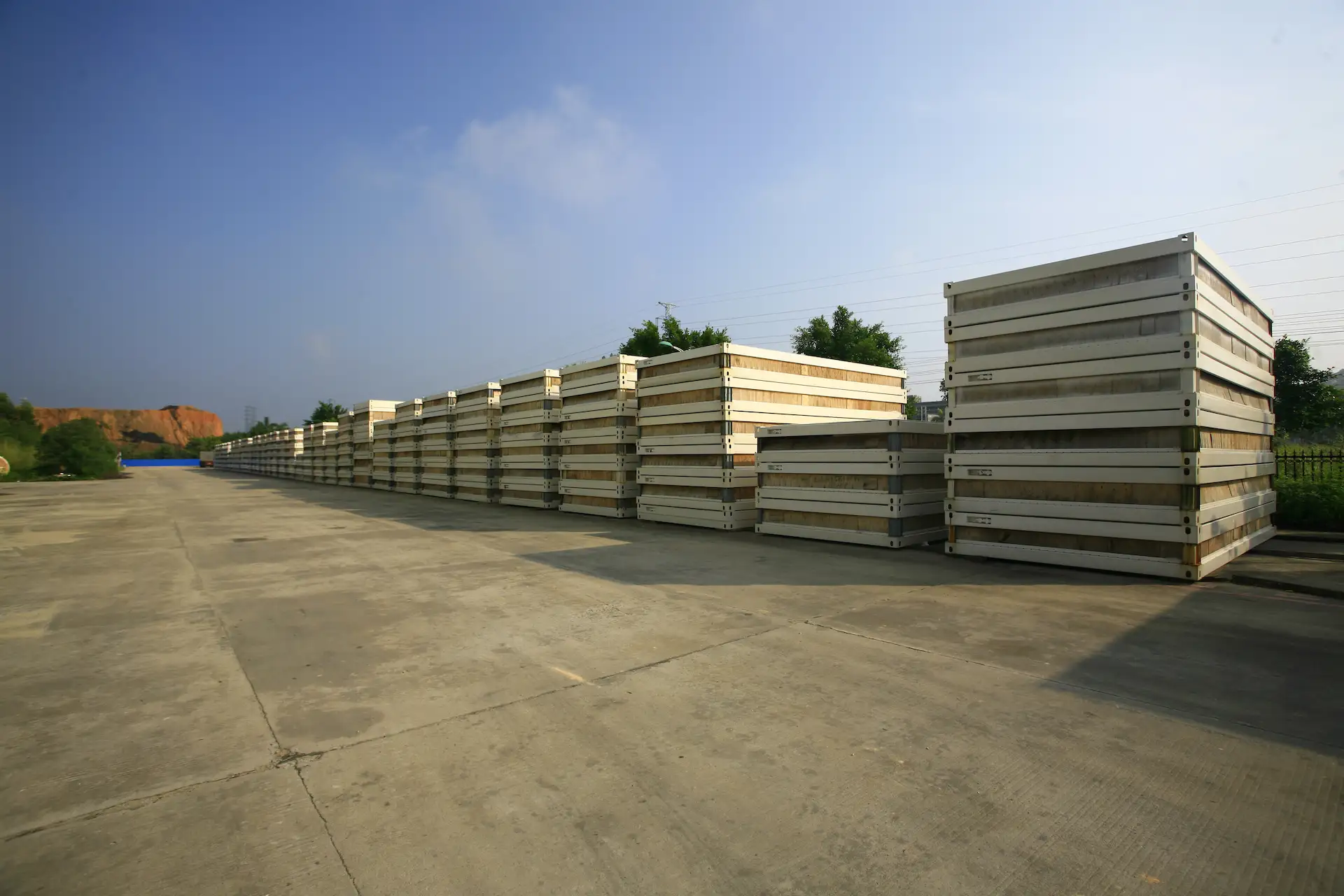
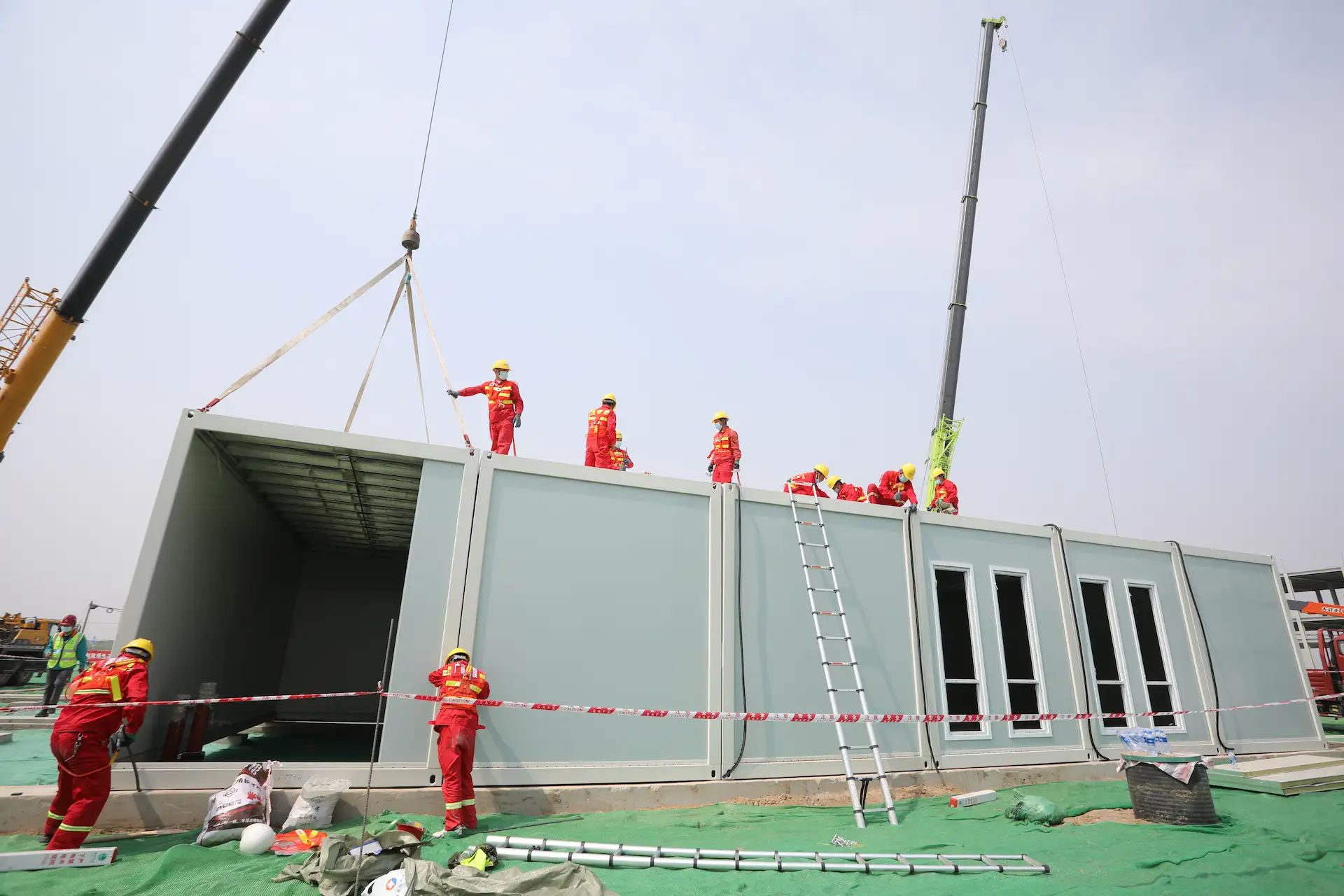
This reality is why GS Housing moved away from fixed prefab blocks years ago. On infrastructure and emergency-scale projects, labor demand never stays flat. Expandable container systems allow camps to grow, compress, and relocate without forcing the project to pause and rebuild support space every time the plan changes.
No overbuilding.
No guessing six months ahead.
Just space that matches what’s actually happening on the ground.
One Early Lesson: From a Mega-Project in Southeast Asia
There was a project—years ago—where speed mattered more than cost, and coordination mattered more than design.
Thousands of people needed to be housed. Fast.
Not in theory. In reality.
Local supply chains were stretched thin. Weather wasn’t cooperating. And the schedule didn’t care.
What stood out wasn’t the scale. It was what happened after people moved in.
Once the camps were stable—proper insulation, predictable layouts, shared spaces—the project stopped bleeding time. Crews settled. Rotations normalized. Work moved forward without the constant friction that usually shows up on jobs of that size.
No one involved remembers the exact number of units anymore.
They remember that housing stopped being a problem.
That experience still shapes how GS Housing approaches expandable camps today: build them to work under pressure, not just look good in planning documents.
large-scale worker camp deployments→https://www.gshousingchina.com/products/
Real Moment: “We Lost Less Time Than Expected—That Never Happens”
On a remote overseas site, a project manager said this after deployment:
“We planned to lose a few days getting people settled.
We didn’t.
That honestly surprised everyone.”
The expandable camp arrived folded. By evening, crews were unloading personal bags—not tools—into finished units.
No temporary trailers.
No improvised sleeping areas.
No last-minute fixes.
Because most of the work had already been done at the factory, what usually drags on for weeks happened in hours.
That gap between arrival and productivity never appeared. And once it’s gone, you don’t want it back.
Speed Matters—But Predictability Matters More
Expandable container units arrive folded.
A few hours later, people are sleeping inside them.
That predictability doesn’t come from speed alone. It comes from experience—knowing what fails on real sites and designing around it. GS Housing systems weren’t built for showrooms. They were shaped by deployments where weather, logistics, and local conditions refuse to cooperate.
Mobile expandable container housing doesn’t replace construction.
It replaces the waiting no one plans for.
Camps That Move When the Project Does
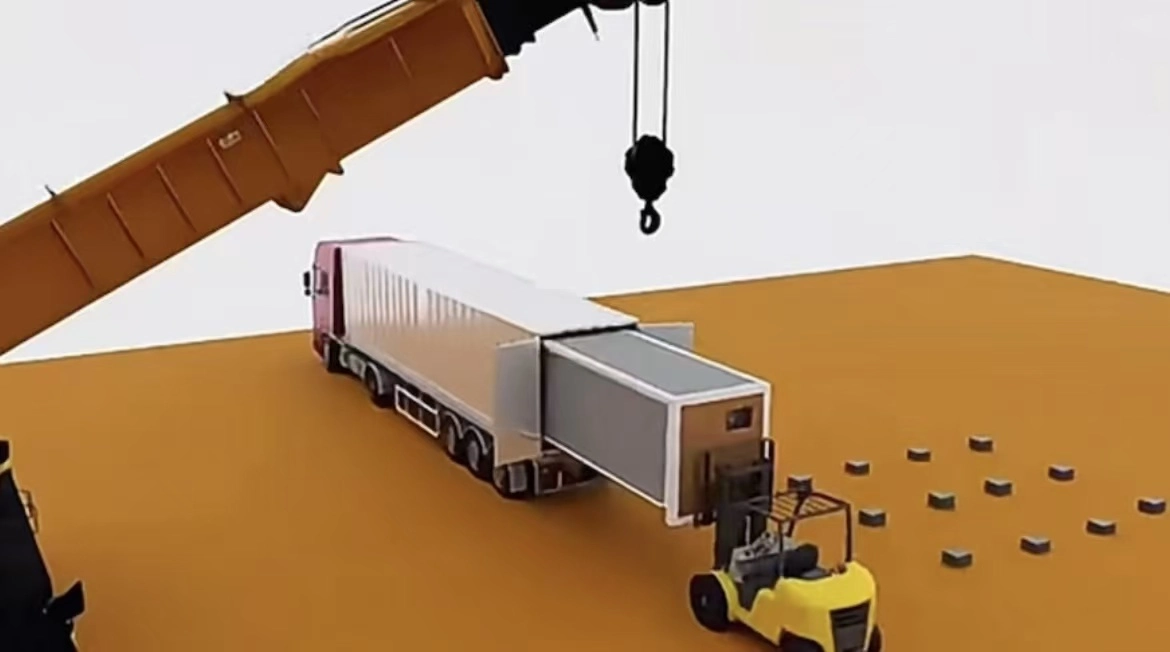
Projects don’t stay still. Camps shouldn’t either.
When a phase ends or a site shifts, expandable units can be folded, transported, and reinstalled. Same units. New location.
Nothing gets torn down.
Nothing gets left behind.
This approach has been critical on projects where relocation isn’t optional—emergency housing, infrastructure corridors, and international builds with tight timelines.
Pressure Drops When Space Improves
On a long-duration site, tension built up slowly. Not because of work—but because everyone lived too close, for too long.
After adding a small recreation unit and a proper dining space, a supervisor noticed something simple:
“Same workload. Same hours.
Fewer arguments.”
GS Housing has seen this pattern repeat across large camps. When people have somewhere to decompress, small conflicts don’t grow into real problems.
Not perfectly.
But enough to matter.
Size Options That Match Reality, Not Assumptions
Expandable container camps come in multiple sizes and layouts. That flexibility matters more than it sounds.
Smaller units work for early crews.
Larger units support peak manpower.
Modular layouts allow camps to grow—or shrink—as needed.
That’s why GS Housing treats camps as systems, not single products. Units are meant to connect, reconfigure, and scale with the project.
You build the camp as the project proves itself. Not as a guess made on day one.
Customization Isn’t About Style. It’s About Survival.
No two job sites are the same.
Climate, shift schedules, and work culture all shape how people live. Camps work better when they fit how people actually live on site—not how drawings assume they do.
Insulation levels.
Interior layouts.
Shared spaces.
Years of global deployments—from humid coastal regions to cold environments—have made one thing clear: customization isn’t optional. It’s how camps stay usable.Site-specific camp layout options→https://gsmobilehouse.com/contact/
Build the Camp Right, and the Project Fights You Less
Projects rarely fail because of housing alone.
They fail because housing problems quietly multiply.
Late starts.
Crew turnover.
Safety incidents.
Internal friction.
A good camp:
Gets work started faster
Keeps crews rested
Moves with the project
Removes friction no one budgets for
Build the camp right from the start—and watch the project follow.