In emergency medicine, an hour isn’t just an hour.
It’s often the line between recovery and loss.
Picture this.
An earthquake hits before dawn. Buildings collapse. Survivors are pulled from rubble within hours—but there’s nowhere to treat them.
Or a flood cuts off a rural town. Clinics are underwater. Disease spreads faster than supplies.
Or a pandemic surges. Hospitals run at double capacity. Patients wait in hallways. Staff are exhausted. Decisions get harder by the minute.
In moments like these, the problem isn’t skill or commitment.
Medical teams are ready. Equipment is ready.
What’s missing is space that can arrive as fast as the emergency itself.
Tents wear out quickly. Permanent buildings take too long. Makeshift solutions fail the moment conditions turn harsh. That gap—between arrival and actual care—is where dual-wing expandable container units quietly changed how field hospitals work.
They don’t replace hospitals.
They make medical response possible when everything else is working against you.
Compact in Transit. Ready When It Arrives.
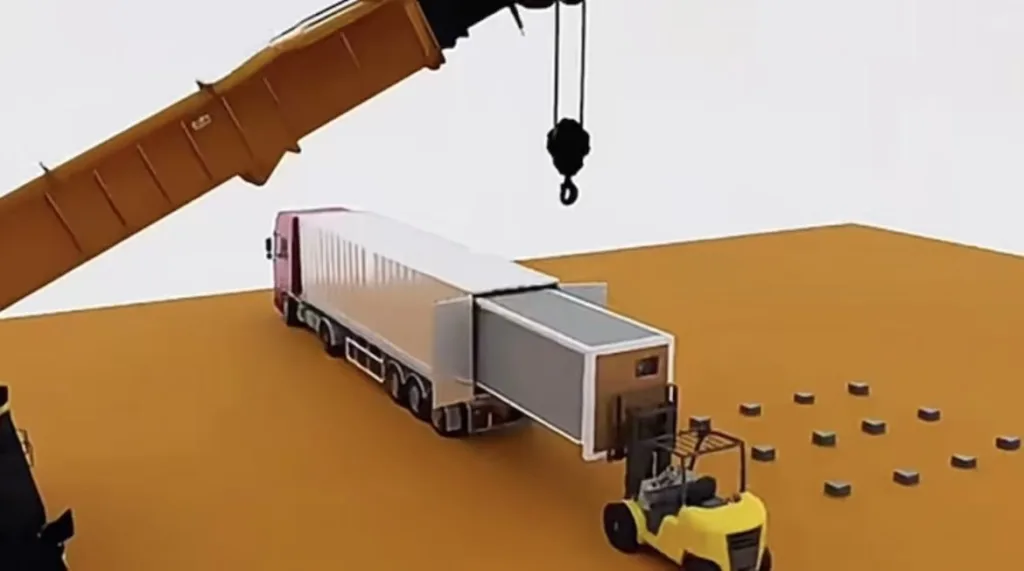
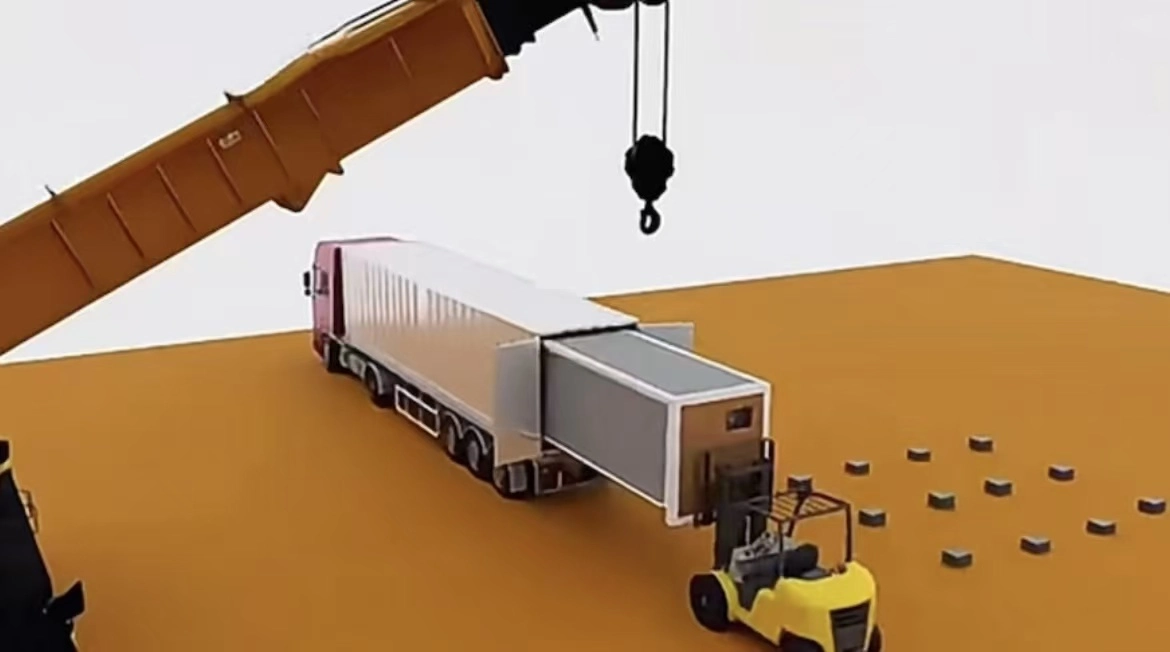
A dual-wing expandable container moves like a standard shipping container. That matters more than it sounds. In crisis logistics, every truck slot, aircraft pallet, or ship deck position is contested.
Once it reaches the site, both sides unfold. Instantly, usable space jumps by roughly 1.5 to 2 times. No construction materials. No local labor. No improvising with what’s available nearby.
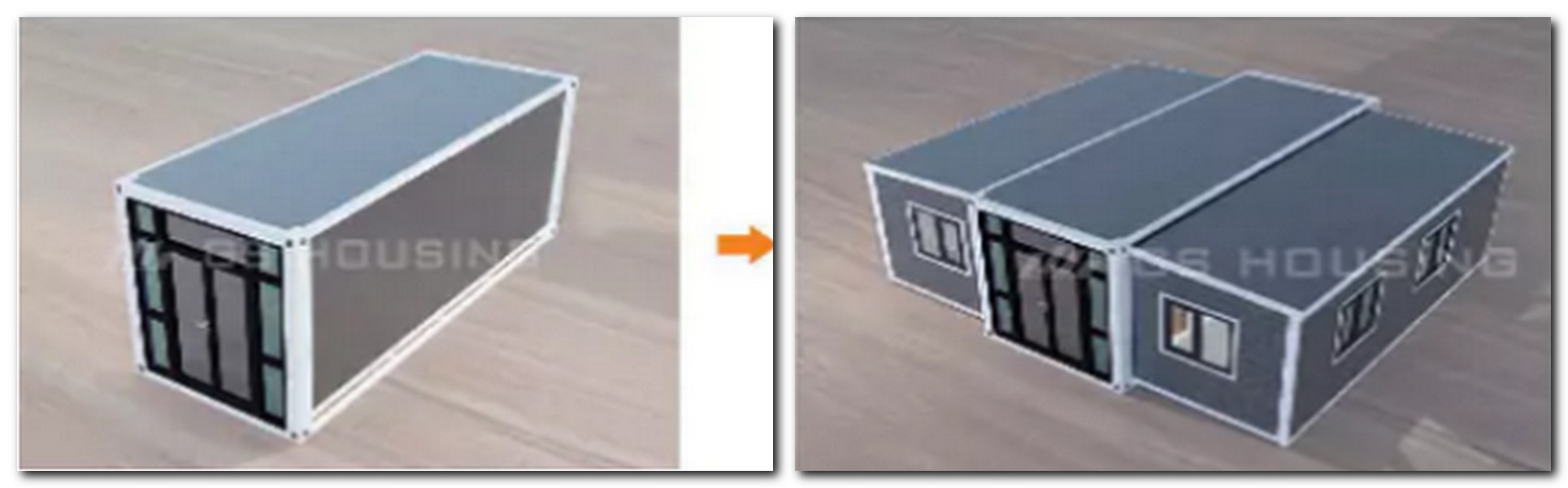
Dual-wing expandable container structure→
https://gsmobilehouse.com/videos/
Teams go from delivery to functional medical space in hours.
Not days. Not weeks.
No concrete curing. No framing. No guessing whether a temporary structure will hold. What arrives is already infrastructure—not a box of parts.
Built for the First Critical Hours
In real disaster response, the clock doesn’t start when a building is finished. It starts when the first patient shows up.
Dual-wing units are designed for that reality. Often, a leveled surface is enough. Place the unit. Unfold the wings. Lock the structure. Connect power, water, and medical systems.
That’s it.
Medical teams can immediately focus on triage, emergency care, isolation, and coordination. These units exist to bridge the most dangerous gap in any response—the hours between arrival and stabilization.
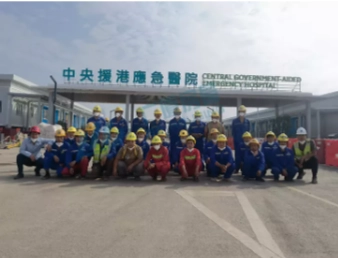
During COVID-19, that speed was tested at scale. GS Housing delivered 3,463 modular hospital units in just one week, creating treatment capacity for around 20,000 patients. Dual-wing expandable units formed the backbone of temporary facilities when traditional hospitals were overwhelmed.
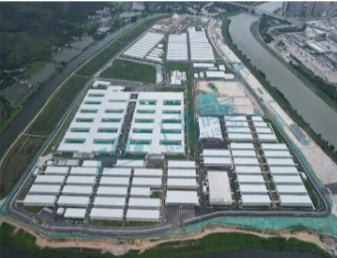
COVID-19 emergency hospital project→
https://www.gshousingchina.com/project/gs-housing-covid-19-emergency-housing/
It proved something important: speed doesn’t have to mean compromise.
That same advantage shows up in disaster zones. After a major earthquake in South Asia, GS dual-wing units were airlifted into remote areas and made operational within 48 hours—no local labor, no construction materials required. Roughly twenty units formed a working medical hub, supporting surgery, recovery, and supply distribution for nearby villages.
Aftershocks continued. Heavy rain followed.
The units stayed sealed, stable, and usable.
Tents would not have.
Why Staff Comfort Isn’t Optional
Emergency medicine talks a lot about patients. Less about the people treating them.
But doctors and nurses don’t work in short bursts during disasters. They work for weeks. Sometimes months. Fatigue, heat, and poor rest don’t just feel bad—they increase risk.
Dual-wing units allow field hospitals to separate care zones from staff zones. Climate-controlled rest areas. Sleeping rooms. Washrooms. Quiet spaces away from constant alarms and movement.
That separation matters.
Alert staff make better decisions.
Better decisions save lives.
Comfort here isn’t luxury. It’s operational safety.
Built for Places with Nothing Else
Field hospitals rarely land in friendly environments. They show up in deserts, mountains, islands, conflict zones, and places where infrastructure is damaged or nonexistent.
Dual-wing units are built for that reality. Steel frames. Insulated walls. Sealed roofing. Designed to handle heat, cold, humidity, dust, and strong winds.
Unlike tents, they don’t break down after a few weeks.
Unlike permanent buildings, they don’t demand impossible site prep.
They work when conditions are bad—and keep working when missions stretch longer than planned.
Layouts That Change as the Situation Changes
No emergency follows a clean plan.
Dual-wing units are modular by design. One unit can serve as intake or triage. Several units can connect into treatment clusters, staff housing, pharmacy storage, or isolation areas.
As needs shift, units can be reassigned or moved without tearing everything down. Capacity grows or shrinks without locking teams into fixed layouts.
That flexibility matters when situations evolve faster than planning documents.
Not Disposable. Built to Be Used Again.
Once a mission ends, these units don’t get written off.
They fold back to transport size, undergo basic refurbishment, and are ready for the next deployment. For governments, NGOs, and humanitarian agencies, that turns a one-time purchase into a long-term response asset.
Earthquakes. Floods. Remote healthcare. Crisis after crisis—the same units can return to service.
Why GS Housing Is Trusted When Time Is Tight
GS Housing didn’t start with retail or lifestyle projects. It grew through time-critical deployments—large-scale camps, emergency housing, and projects where delays simply weren’t acceptable.
GS Housing emergency deployment experience→
That background shows in its medical units:
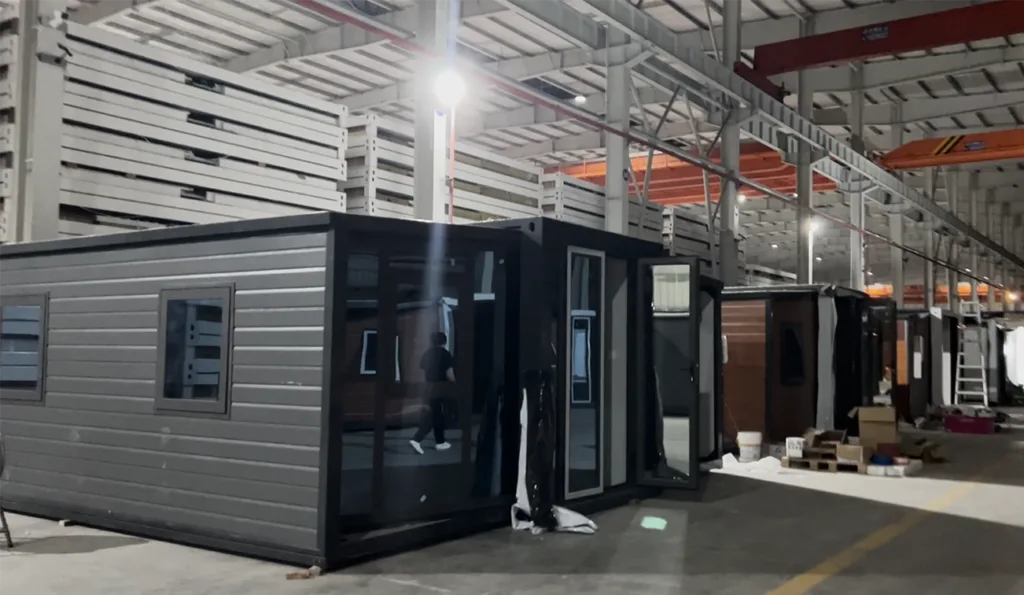
Factory-controlled production for consistent quality
Layouts designed around real medical workflows
Deployment guidance for remote and unstable locations
Scalable manufacturing when demand spikes overnight
The focus is practical, not flashy. Reliability over rhetoric.
When Medical Space Has to Move as Fast as the Mission
Field hospitals succeed when space keeps up with urgency.
Dual-wing expandable containers offer something rare in emergencies: predictability. Predictable deployment. Predictable working conditions. Predictable performance in unpredictable places.
They aren’t temporary hacks.
They’re mobile medical infrastructure—built to move, adapt, and support the people carrying the heaviest responsibility when things go wrong.
When every hour costs lives, the right space doesn’t just help.
It changes what’s possible.
Learn more about how these units are used in real-world medical missions→