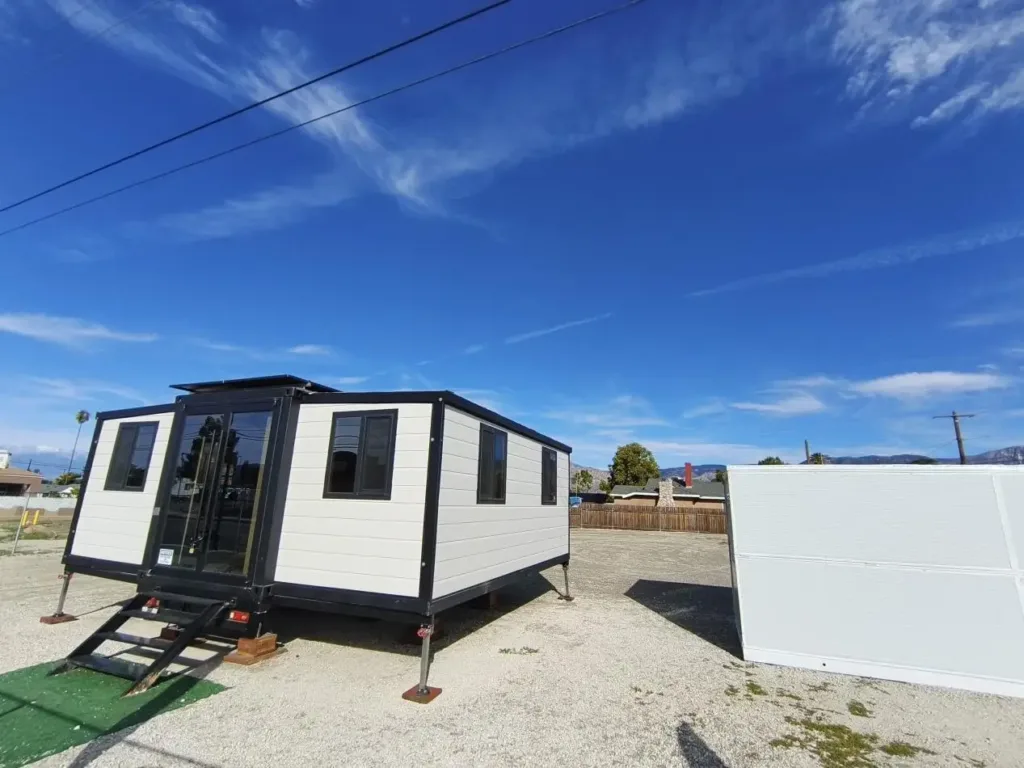
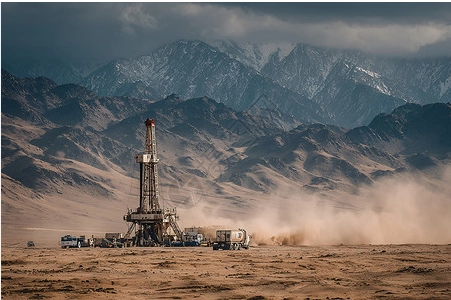
Some scenes stay with you.
Years ago near Gaziantep, I watched wind rip tents apart like thin paper. A woman tried to tape her shelter closed using a piece torn from her child’s notebook. Nobody complained — because survival leaves no space for emotion.
Temporary shelters work — for a moment.
But after week 3… month 4… they stop being a “solution” and start becoming a reminder of displacement.
That is where expandable container homes change the story.
They deploy fast like tents — but unlike tents, they stay standing.
What Makes Expandable Container Homes Different?
Imagine arriving with one truck → unfolding six homes → and six families sleep under a locking door the same night.
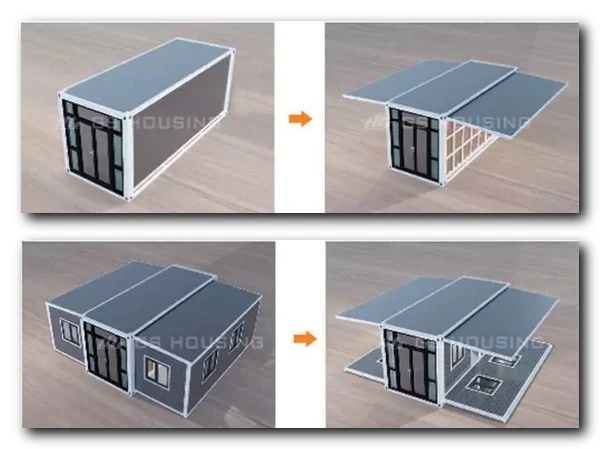
How it works (field example):
Forklift lowers unit on stable pads
A pin is pulled → walls unfold like a book
Interior panels snap into position
Floors rise above mud
Windows seal wind out
4–6 workers → half a day → six families protected
Learn How the Double-Wing Expandable Container House Unfolds—Structure and Deployment Demonstration→https://gsmobilehouse.com/videos/
Why Speed Alone Is Not Enough
One morning in North Africa, a sandstorm erased 200 tents in minutes. People slept in cars that night — because the fabric was gone.
Speed = emergency survival
Durability = long-term dignity
Expandable steel modulars became the default not because camps wanted “nicer” — but because wind does not wait.
Safety That Holds at 3 A.M.
People rarely ask, “Is it safe?”
But they think it — every time a wall shakes.
Expandable steel shelters rely on:
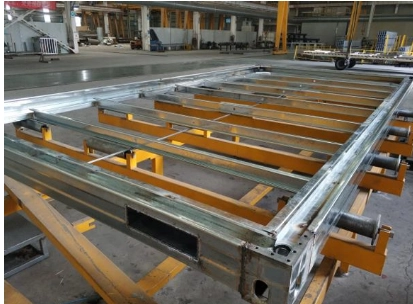
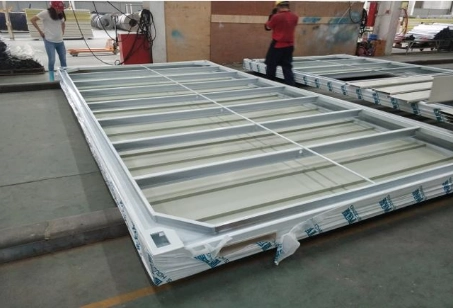
1.Galvanized Q235B structural steel
Steel that rings, not dents. Engineered for crane lifting & repeat relocation (avg. 5–8 cycles before maintenance).
2.Automated hydraulic welding
Every weld → identical strength.
(Not dependent on “who was tired at the factory that day.”)
3.Weather-first design
Wide gutters integrated into frame
Moisture-proof insulation
Wind resistance up to Level 12
Seismic performance Level 8
Comfort — The Hidden Side of Safety
A shelter is not just survival.
It is sleep. Privacy. A door that locks.
Expandable homes provide:
A raised floor to keep belongings dry
Interior partitions → personal space
Insulation so infants don’t shiver
Locking doors → psychological security
Because when people sleep well, they stop breaking.
A Middle Layer the World Has Ignored
Governments and NGOs usually think in two stages:
| Stage | Typical Tool |
|---|---|
| Day 1 emergency | Tents |
| Year-5 permanent housing | Concrete buildings |
But what about Month 14? Year 2?
Displacement often lasts years.
Expandable homes exist in the middle — a dignified, movable bridge.
Real-World Example – What Changes When Shelter Changes
After the Türkiye–Syria earthquake, one camp reported:
Respiratory illness ↓ 30%
Violence in women-only zones ↓ 45%
Children returned to routines × 2 faster
Reason:
A lock. A wall. A table.
It is rarely the “big” things.
Small things change lives.
Sizes — Because Camps Are Cities, Not Rows of Boxes
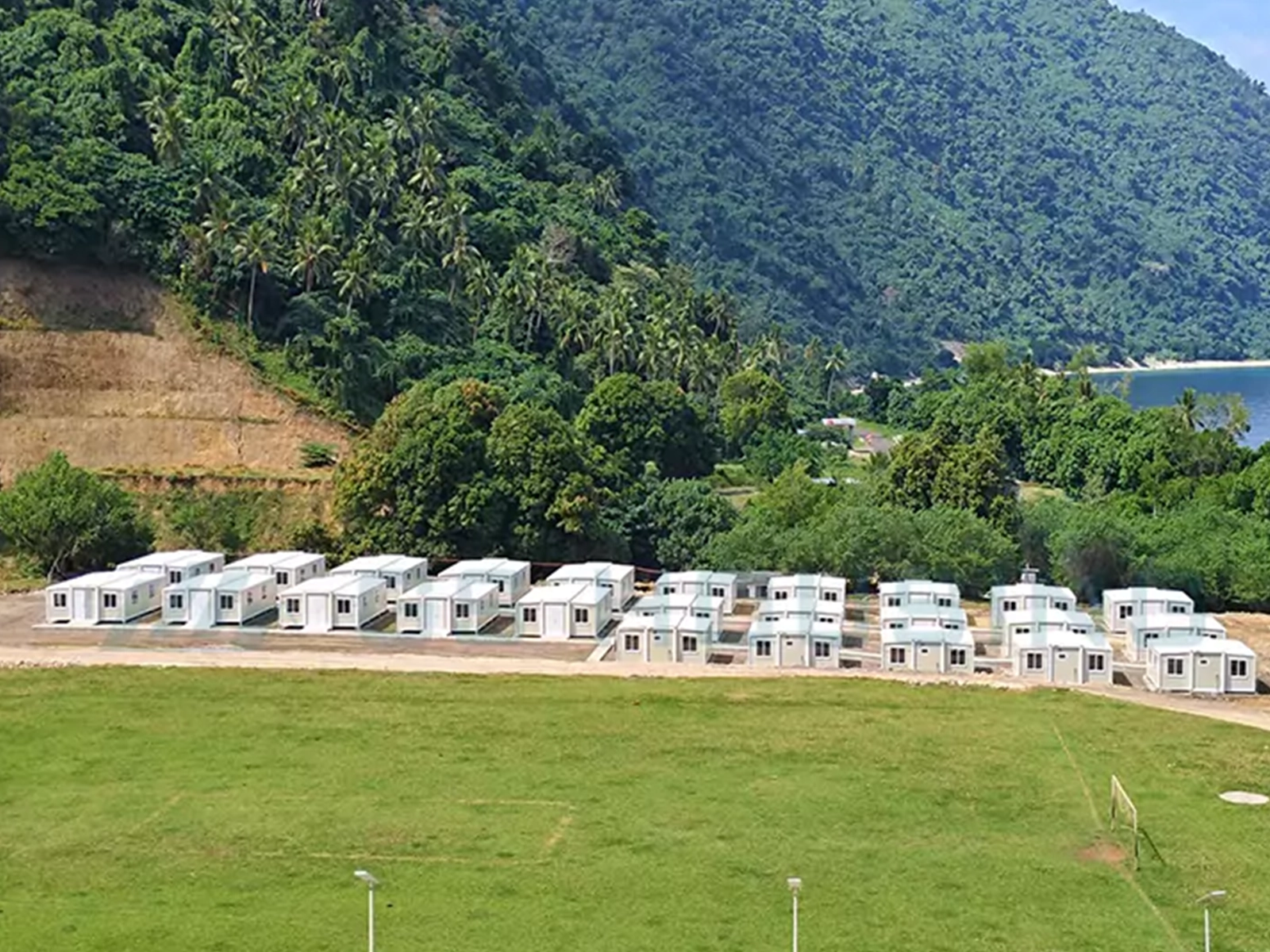
Examples commonly deployed:
Single-unit 1–2 person modules – medics, lone evacuees
Family units 4–6 pax – interior zones for privacy
Linked expandable clusters – classrooms, clinics, dining zones
View the 20-Foot Integrated Living Unit—Details and Specifications→
https://gsmobilehouse.com/20ft-expandable-container-house-your-flexible-space-solution/
Quick Takeaways
| If the goal is… | The tool you choose |
|---|---|
| Day-one survival | Tents |
| 6–24 months of living | Expandable container homes |
| Permanent resettlement | Long-term construction |
If procurement forms had space for one sentence, it should be this:
Don’t treat long-term displacement with short-term tools.
Before You Deploy – A Practical Checklist
(Useful for NGO + government decision-makers)
Hard ground / steel pad foundation (never direct dirt)
Wind exposure level checked (Level 10+ needs anchoring)
Lockable zones for women + families
Ventilation + insulation spec verified
Fire-rating of interior materials is Class A / B1
Request deployment guide or field training support→
Quick FAQ
Q: How fast can a camp be set up?
A: One crew can deploy 20–30 units per day. Full settlements in under a week.
Q: Will they rust?
A: Zinc-coated steel + insulated panels → lifespan 10–15+ years with normal maintenance.
Q: Can they move again?
A: Yes. Fold, lift, transport. Reopen. Many camps relocate 3–6 times without damage.
Q: Are they safe for women & children?
A: Yes—lockable doors & rigid walls create a controlled, protected environment.
Closing Thought
Expandable container homes won’t erase borders, war, or loss.
But they give time.
And time is the first ingredient of recovery.
Sometimes dignity starts with a door that closes.