Some questions don’t leave you alone.
“Just stay here for a while.”
“Temporary housing — nothing more.”
I’ve heard those words in coastal villages, mining sites, and post-storm recovery zones. Almost every time, temporary quietly stretched into something longer.
Months turned into years.
People added curtains. Then shelves. Then routines.
That’s when the question changed.
Not “Can we live here for now?”
But “Can this ever become a real home?”
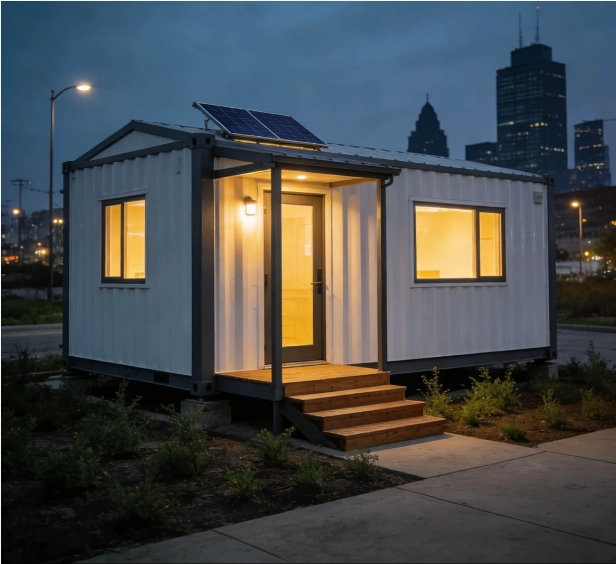
Container homes sit right inside that question — not as a trend, but as a response to pressure the housing world hasn’t solved yet.
Why Container Homes Became a Serious Housing Topic
Container homes didn’t come from design studios chasing novelty.
They came from constraint.
Cities running out of affordable housing
Remote projects needing fast, repeatable accommodation
Climate events displacing people longer than tents could survive
Steel containers moved because they had to.
They were available.
They were predictable.
They could be shipped, lifted, placed, and reused.
At first, nobody talked about permanent residence. That felt unrealistic. Even uncomfortable.
But once people started living inside them — not camping — the conversation shifted.
Today, container homes are no longer fringe ideas.
They’re part of the long-term housing discussion, whether planners like it or not.
Can Container Homes Really Work as Permanent Residences?
Structurally, this debate is quieter than online comments suggest.
Shipping containers are designed for:
Extreme loads
Repeated lifting
Long exposure to salt air and harsh weather
When adapted properly — reinforced openings, corrosion protection, engineered joints — they don’t suddenly become fragile.
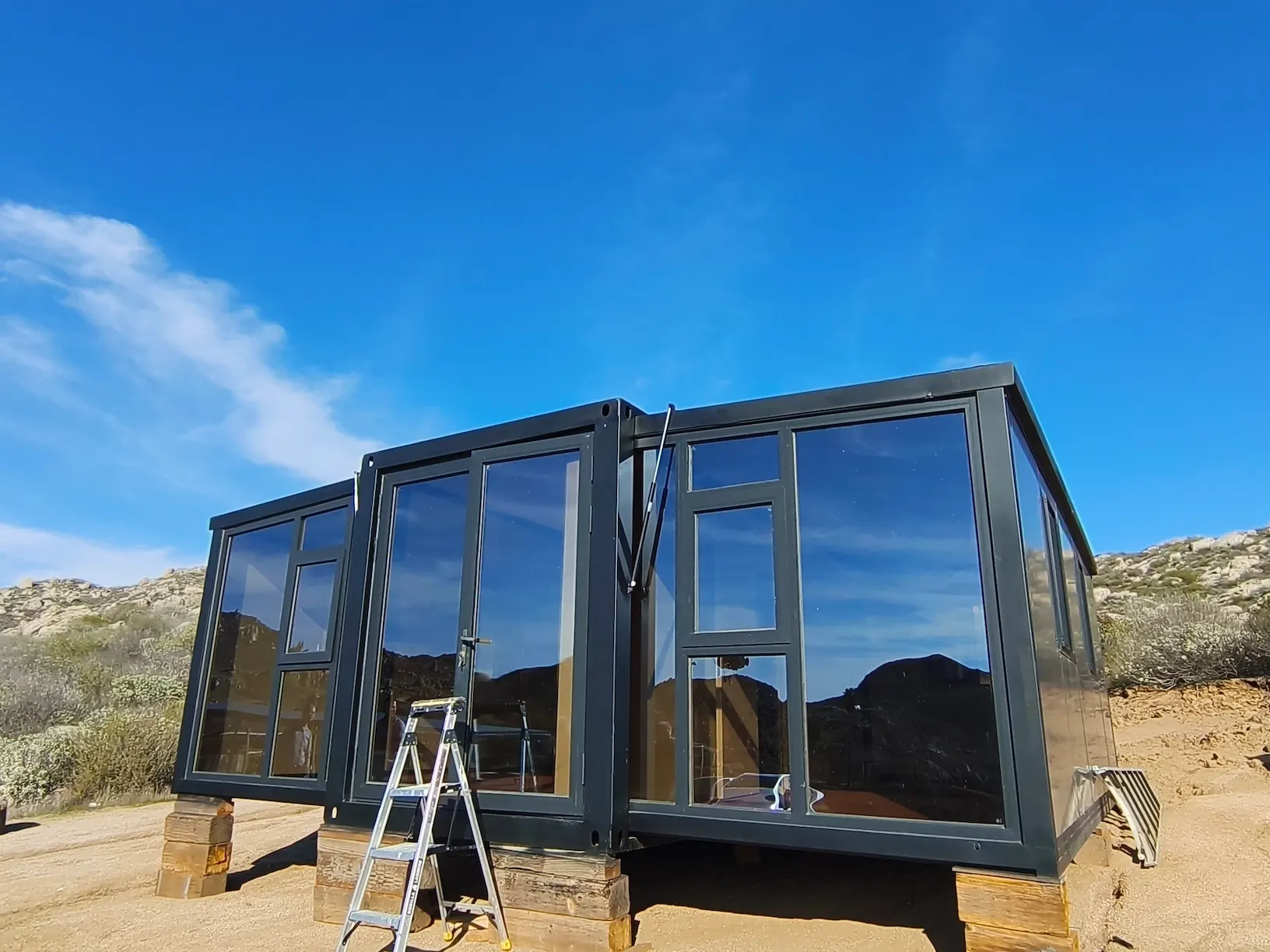
A well-built expandable container home made with galvanized cold-rolled steel (such as Q235B) behaves less like a shed and more like a compact steel building. With proper coatings and routine maintenance, a 15–25 year service life is realistic.
But permanence isn’t decided by steel alone.
People don’t stay because a wall meets a specification.
They stay because life feels stable inside it.
Durability Is Easy to Measure. Comfort Is What Decides Everything
Early container housing failed for a simple reason.
People were uncomfortable.
Too hot.
Too damp.
Too noisy.
Too exposed.
Modern container homes learned this the hard way.
Today, long-term comfort comes from systems working together:
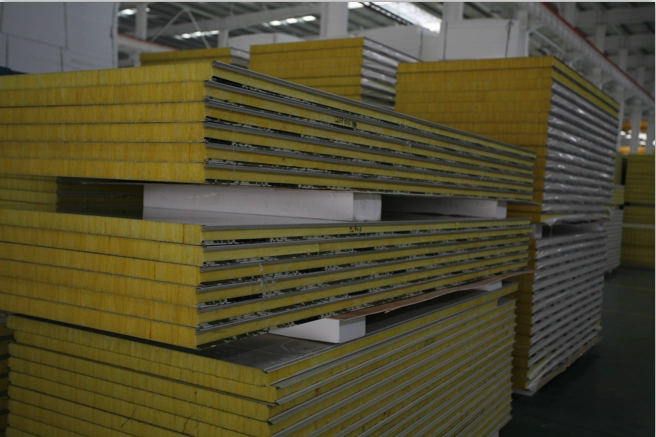
Insulation that holds heat like a thermos, not decoration
Waterproofing layered like a technical jacket, not a tarp
Raised floors separating living space from wet ground
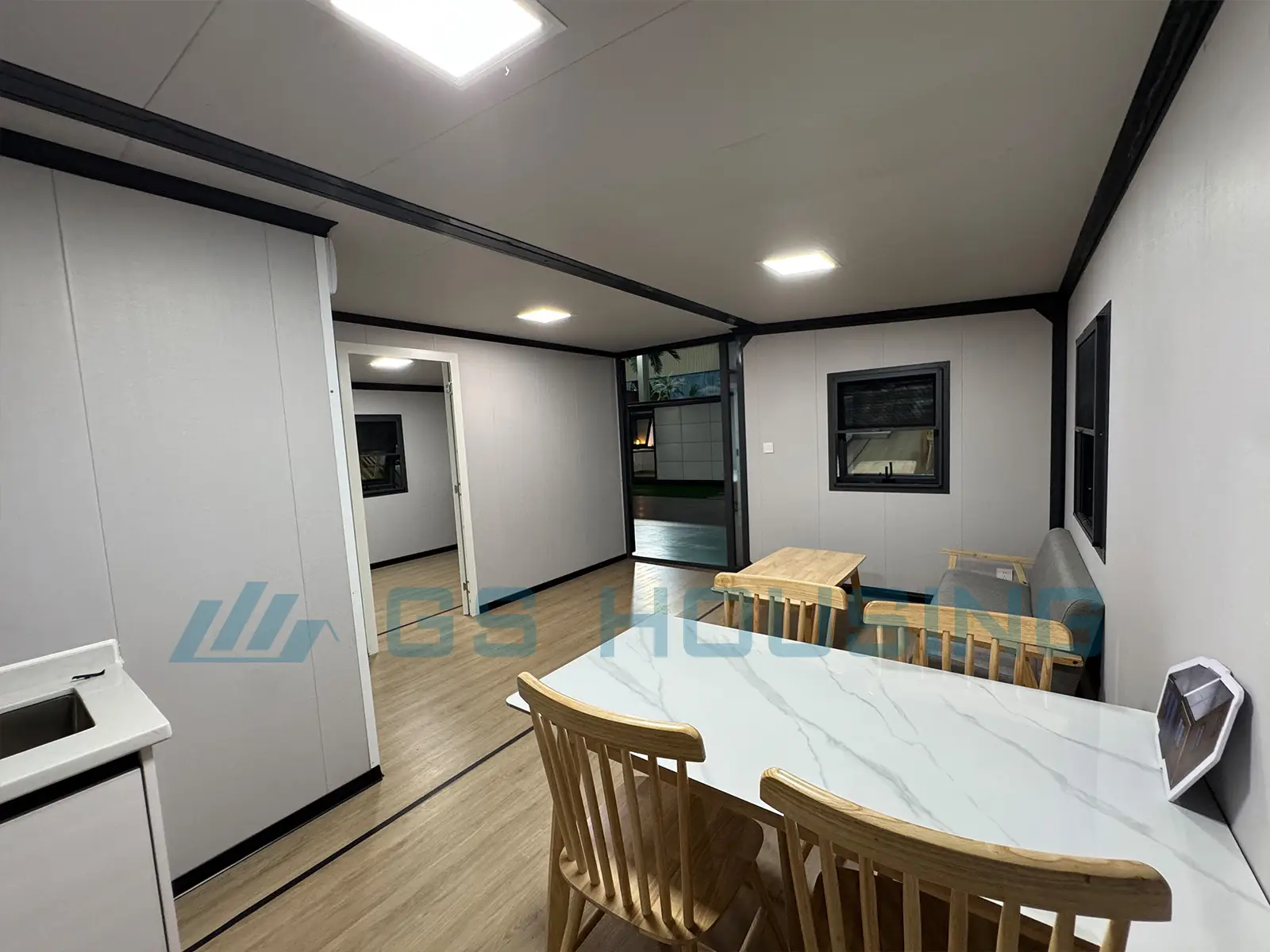
Layouts that respect privacy and daily routines
This is where experience matters.
Manufacturers like GS Housing didn’t arrive at their current expandable designs through brochures. They came from watching what failed — overheated rooms, leaking joints, awkward layouts — and correcting those problems across projects in different climates.
When comfort improves, something subtle happens.
People stop counting days.
The Real Barrier Isn’t Steel — It’s Regulation
In most regions, container homes aren’t rejected outright.
They live in a gray zone.
Authorities usually ask a reasonable question:
“Can this perform like a standard residential building?”
That means documentation matters.
Typical requirements include:
Structural resistance data (wind and seismic)
Fireproof ratings for wall and ceiling panels
Insulation thermal values
Waterproofing and drainage design
Foundation or anchoring plans
This is why long-term projects succeed or fail before installation.
Rather than selling a “box,” experienced suppliers prepare container homes as documented systems — with test reports, material specifications, and layout drawings that help local authorities evaluate them properly.
Policies vary by country and city. Anyone considering container homes as permanent residences should always consult local professionals before committing.
Permanent living is as much a legal process as a construction one.
Internal Link :
GS Housing provides full compliance documentation packages for global markets — View Our Structural & Fire Safety Certifications (https://gsmobilehouse.com/about-us/)to streamline your local approval process.”
Where Expandable Container Homes Change the Conversation
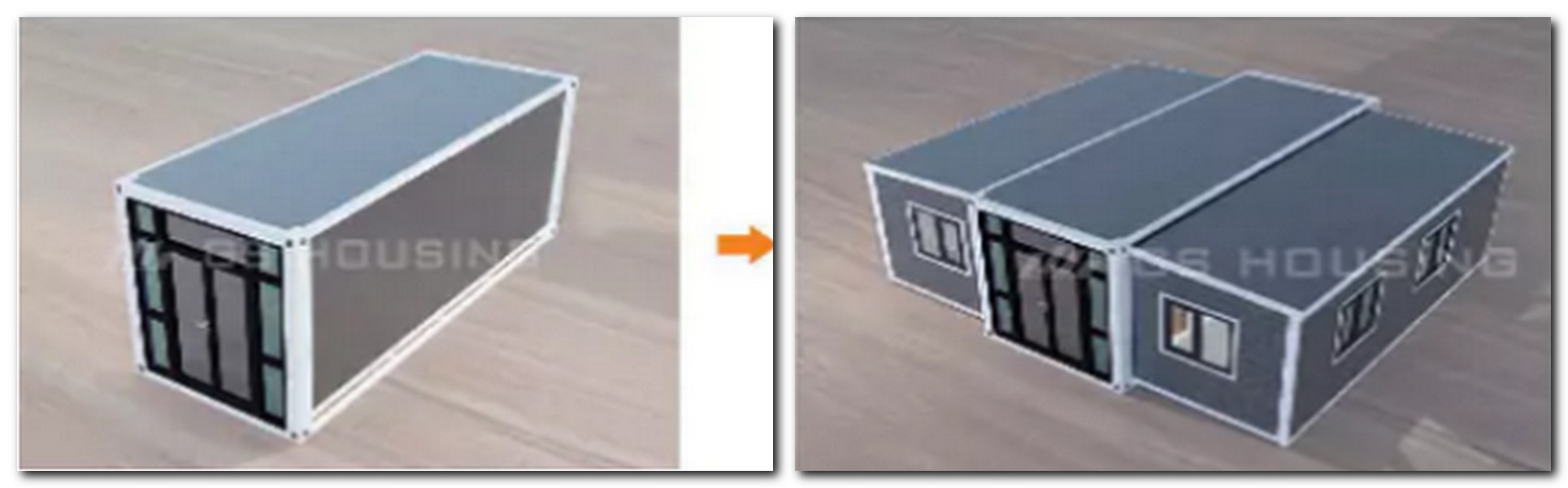
Expandable container homes answer one long-standing criticism: space.
By shipping compact and unfolding on site, they:
Reduce transport cost
Increase usable interior area
Allow layouts that actually work for daily life
A single 40-foot high-cube container can transport multiple expandable living units, making large-scale deployment realistic without overwhelming logistics.
This doesn’t replace traditional apartments.
But it creates an option cities didn’t have before.
Internal Link :
You can see how this system works in practice here→Explore expandable container home layouts and use cases
https://gsmobilehouse.com/20ft-expandable-container-house-your-flexible-space-solution/
A Real Case, Briefly — Vanuatu, 2024 and Beyond
In mid-2024, GS Housing delivered an expandable container camp project in Vanuatu — a place where humidity, salt air, and storms destroy weak structures fast.
The project included:
20-ft expandable living units with integrated bathrooms and kitchens
30-ft expandable office units for site management
What mattered wasn’t appearance.
Doors closed properly.
Spaces stayed dry.
People worked and rested without fighting the building.
Beyond Vanuatu, similar models are now used in remote staff housing, eco-community pilots, and rural residential plots where fast, compliant housing is critical.
These cases don’t prove container homes are perfect.
They prove they are capable — when designed for reality.
Internal Link :
To dive into more details of our cross-region projects (including mining settlements and eco-communities), visit our Global Container Housing Case Studies page.https://gsmobilehouse.com/projects/
So, Are Container Homes a Viable Long-Term Housing Option?
The honest answer is nuanced.
Container homes won’t replace traditional housing everywhere.
But they’ve moved far beyond “temporary shelter.”
With proper engineering, thoughtful layouts, and regulatory planning, they can function as permanent residences — structurally, emotionally, and legally.
The real shift is this:
We are no longer asking whether people can survive in container homes.
We are asking whether people can build a stable life inside them.
In many places, that answer is already forming.
Final Thought
Homes aren’t defined by materials.
They’re defined by continuity — by whether life can continue safely and with dignity inside four walls.
Container homes are still negotiating their place in that definition.
But they’re no longer outsiders knocking on the door.
Sometimes, permanence doesn’t begin with concrete.
It begins when someone stops calling a place temporary.
Internal Link :
Ready to stop seeing ‘temporary’ as your only option? Start Your Permanent Container Home Journey(https://gsmobilehouse.com/contact/) — we’ll help you navigate design, compliance, and deployment step by step