You’ve probably been there.
You start looking into container homes because they seem practical. The price feels reasonable. The timelines look short. And online, everything looks clean, minimal, and easy. It’s only later—sometimes months after delivery—that questions start creeping in.
Why does the space feel tighter than expected?
Why is daily life harder to organize than it looked on paper?
And most importantly: was this type of container home really designed for how long I plan to use it?
This is where many buyers get stuck—not because container housing doesn’t work, but because different container home types solve very different problems. Choosing the wrong one doesn’t always fail immediately. Often, it fails quietly, through daily inconvenience and limited options down the line.
Let’s walk through the four most common container home types on the market today, without hype or rankings—just practical comparison, based on how people actually live in them.
The Four Common Container Home Types You’ll See Everywhere
1. Modified Shipping Containers
These are standard ISO cargo containers that have been cut, insulated, and fitted with doors, windows, and basic utilities. They’re widely available and usually the lowest-cost option.
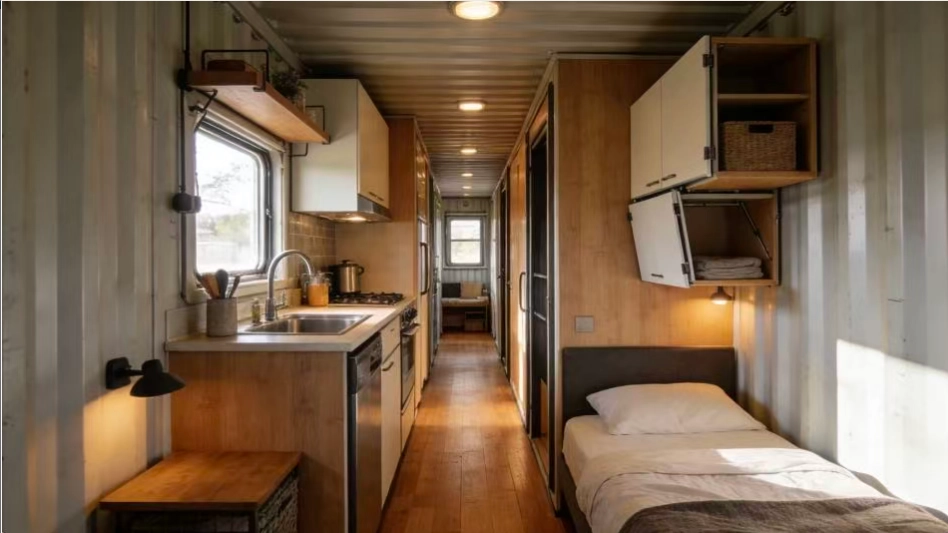
For short-term stays—site offices, guard rooms, temporary accommodation—they do the job. But as living spaces, their original geometry becomes noticeable over time. At roughly 8 feet wide, the layout often feels cramped like a long corridor. Furniture placement is limited, and daily activities overlap whether you want them to or not.
Modified containers work best when time is short and expectations are realistic. They’re rarely intended as a long-term container home solution.
2. Foldable Container Homes
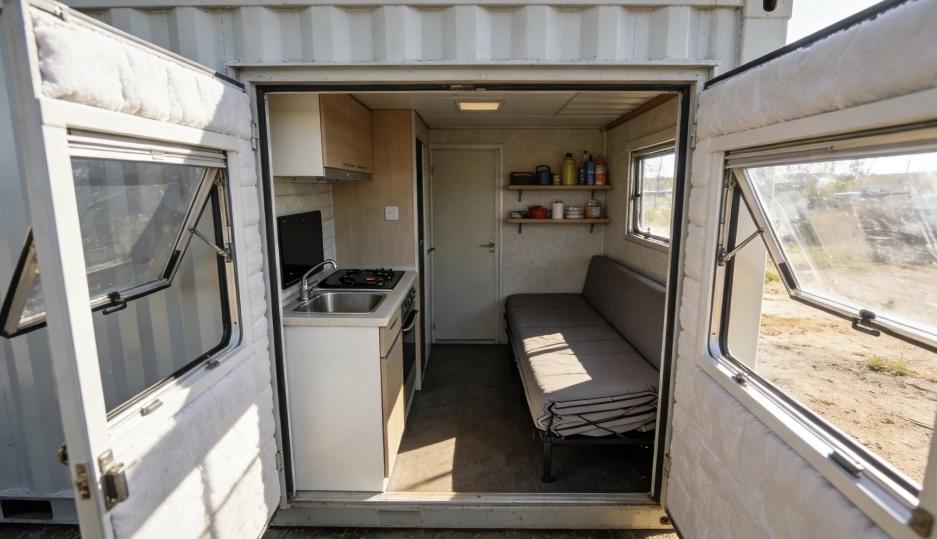
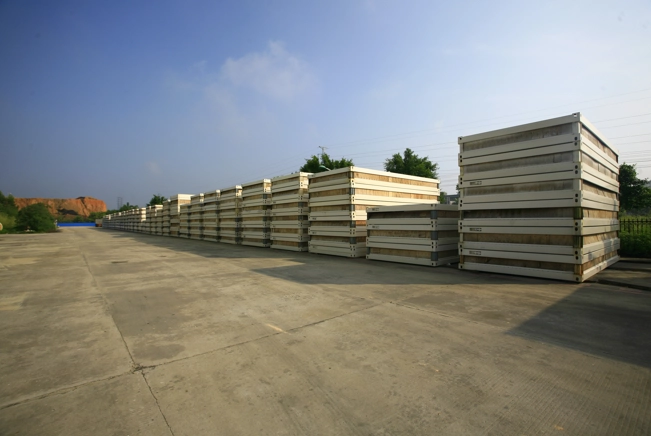
Foldable units are designed for logistics efficiency. They collapse flat for transport and can be installed quickly on-site. In emergency housing, construction camps, or temporary workforce accommodation, this speed matters.
Think of them like compact furniture: functional, efficient, and easy to move. Once unfolded, the interior size is fixed. There’s no real flexibility to reconfigure or expand later.
If your project timeline is measured in months rather than years, foldable container housing makes sense. For longer stays, most users eventually feel the limits.
3. Expandable Container Homes
This is where daily living starts to feel different.
Expandable container homes introduce side panels or sections that unfold on-site, increasing usable floor space without changing transport dimensions. The key benefit isn’t just “more space”—it’s better space.
With expansion, rooms can finally separate. Sleeping doesn’t have to share the same line of sight as cooking. A small work area doesn’t need to double as a dining table. For families or long-term occupants, this change is subtle but meaningful.
This is why expandable systems are often used in semi-permanent housing and longer-term workforce accommodation, where people need privacy and routine, not just shelter. You can see how this spatial logic works in practice across different use cases in expandable container housing solutions(https://gsmobilehouse.com/container-house/) designed for long-term use.
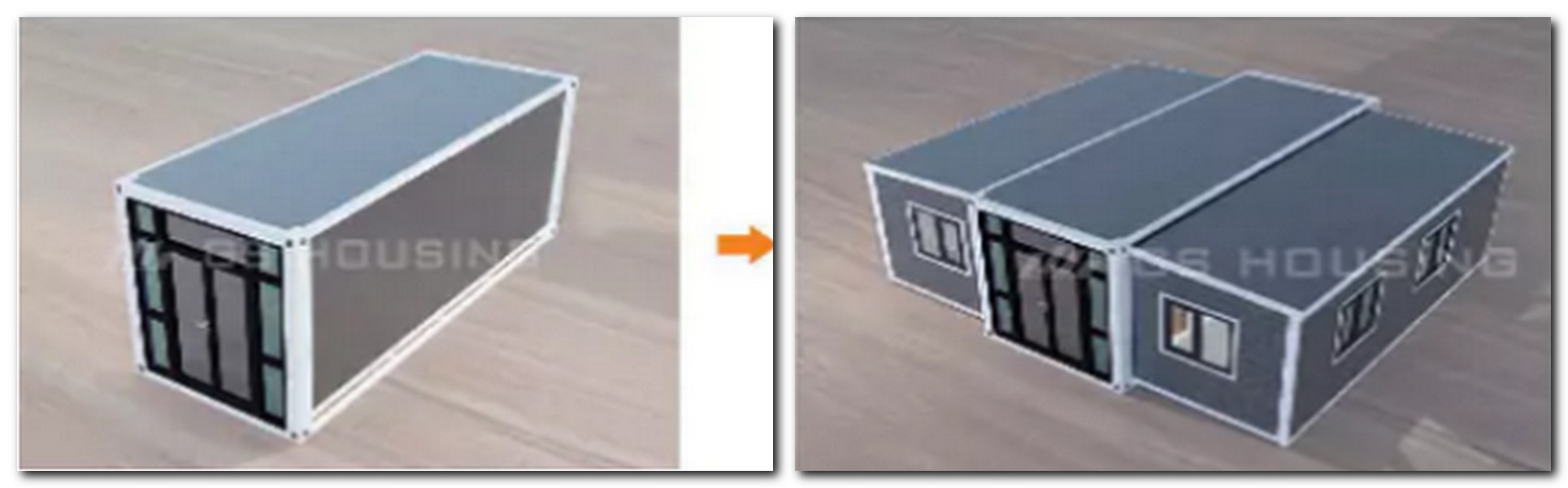
4. Modular Container Housing
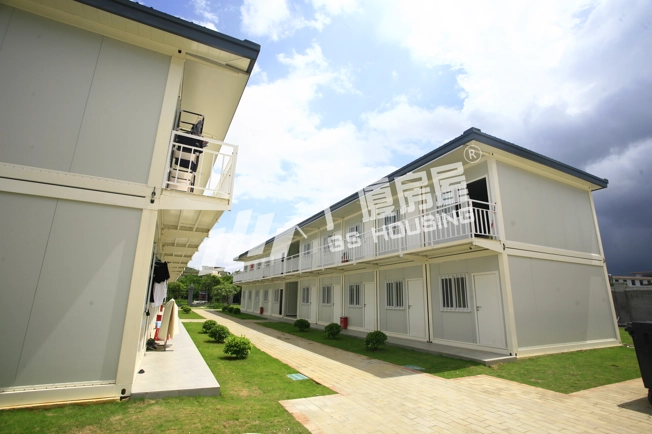
Modular container housing takes a different approach. Instead of modifying a single unit, it uses standardized residential modules designed to connect—side by side or stacked—to form larger layouts.
This system is closer to traditional housing logic. Want an extra bedroom later? Add another module. Need a separate office or shared space? Plan it into the layout from the start.
Because of this flexibility, modular container housing is widely used for long-term worker accommodation, family housing, and permanent container residence projects. Many large-scale deployments—such as industrial camps or phased residential projects—rely on this approach, including the modular building systems developed by GS Housing(https://gsmobilehouse.com/), where units are designed to scale without redesigning the entire structure.
The Comparison That Actually Matters
Usable Space
Modified containers feel narrow over time.
Foldable units improve proportions but remain fixed.
Expandable container homes allow functional zoning.
Modular container housing offers the highest flexibility—space grows with demand.
Transport & Installation
Modified and foldable units are fastest to deploy.
Expandable homes need lifting equipment but remain efficient.
Modular systems require planning—but reward it with long-term adaptability.
Expansion Later
Modified containers resist change.
Foldable units don’t expand.
Expandable homes can connect additional units.
Modular container housing is designed for growth from day one.
Long-Term Livability
Temporary solutions feel temporary eventually.
Expandable and modular systems are designed around long-term container housing needs, including insulation performance, layout logic, and maintenance access.
Why This Matters in Real Long-Term Scenarios
In multi-year workforce camps, this zoning changes everything.
A worker can sleep without hearing someone cooking.
He can sit alone without feeling isolated.
He can close a door and actually be off shift.
That’s not comfort. That’s dignity.
This is also why companies that develop long-term accommodation projects are increasingly choosing expandable systems for worker housing, especially in remote or high-intensity environments. Solutions like the modular camps and workforce housing projects delivered by GS Housing(https://gsmobilehouse.com/container-house/ ) show how zoning and layout directly impact morale, retention, and daily stability — not just square footage.
Why Expandable and Modular Designs Age Better
The real difference isn’t steel thickness or exterior finishes. It’s design intent.
Modified and foldable units start life as transport solutions. Expandable container homes and modular container housing are designed as living systems. That intent shows up years later—in how space is used, how easily layouts adapt, and how comfortable daily routines feel.
This is why expandable container homes are increasingly used for long-term site accommodation, semi-permanent housing, and urban-edge residential projects, while modular container housing continues to grow in permanent container residence applications worldwide.
A Practical Way to Think About Your Choice
Instead of asking “Which container home is best?”, ask:
How long do I realistically plan to use it?
Will my space needs change?
Do I need flexibility, or just speed?
If the answer points toward growth, change, or long-term use, expandable or modular solutions usually align better—even if they require slightly more planning upfront.
Final Thought
Most container housing regrets don’t come from bad products. They come from good products used in the wrong context.
Choosing between different container home types isn’t about trends or price tags—it’s about matching the system to your timeline and your expected lifestyle in the space. When those align, container housing works remarkably well. When they don’t, even the cheapest option becomes expensive over time.
If this article helped clarify the differences between container home types, the next question is usually more personal than technical:
Which option actually fits your timeline, site conditions, and future plans?
That answer often depends on details that don’t show up in product brochures—local installation constraints, how long the units will realistically stay in place, and whether flexibility matters more than speed right now.
If you’re at that decision point, it can help to talk through your scenario with people who’ve seen container housing used across short-term, semi-permanent, and long-term projects.
You can start that conversation here:https://gsmobilehouse.com/contact/
and discuss your project context without commitment.
Sometimes, the smartest container housing decision isn’t about choosing the most popular type—it’s about avoiding the wrong one for your future.