If you’re searching for a reliable expandable container house manufacturer, chances are you’re not chasing a single unit.
You’re evaluating a long-term factory partner.
Maybe you’re a regional distributor building a modular housing product line.
Maybe you’re a project contractor needing stable project supply for overseas sites.
Or maybe you’re a building materials dealer looking for a high-demand, fast-moving wholesale product that scales beyond retail orders.
Across global markets, buyer behavior has changed. Price alone is no longer the deciding factor. Distributors and project clients now ask deeper questions:
How efficiently can it ship?
How fast can it be installed?
Can this product scale across multiple projects without operational surprises?
This is exactly where expandable container houses — and the manufacturing partners behind them — are gaining real momentum.
Why Expandable Container Houses Are Profitable for Distributors and Dealers
Across Southeast Asia, the Middle East, Africa, and parts of South America, contractors face the same constraint: buildings are needed fast, but local construction is slow, labor-intensive, and increasingly expensive.
Expandable container houses (https://gsmobilehouse.com/container-house/)address this gap directly. Today, distributors see steady demand from:
Labor camps for infrastructure and energy projects
Mining site accommodation designed for multi-year service life
Temporary worker housing for fast-track construction schedules
Emergency housing for government and NGO response
Remote site offices and command centers
For many regional distributors, expandable container houses are no longer an auxiliary product. They are increasingly positioned as a core modular housing line — one that supports repeat orders, standardized configurations, and predictable delivery cycles.
From “Temporary Use” to Long-Term Project Asset
A few years ago, container housing was often treated as a short-term fix. Today, many distributors report that a large portion of their orders support projects designed for several years of continuous use — particularly in mining, infrastructure, and energy sectors.
This shift changes the distributor business model.
Instead of one-off transactions, expandable container houses enable repeat orders tied to long project lifecycles. When the product performs consistently, the distributor becomes part of the project supply chain, not just a transactional supplier.
This is also why buyers increasingly look beyond catalog specifications and start asking about factory capability, production stability, and long-term technical support.
Why Expandable Container Houses Outsell Traditional Container Models
Most distributors enter the market with standard container houses. But once expandable models are introduced, sales conversations change quickly — for practical reasons, not marketing claims.
1. Lower Transport Cost = Healthier Wholesale Margins
Shipping is often the largest hidden cost in overseas distribution.
With expandable designs, multiple folded units can be loaded into a single 40HQ container. Traditional assembled container houses, by contrast, often occupy an entire container for just one or two rooms.
For distributors, this difference reduces landed cost per square meter and lowers transport risk during long-distance shipping — a critical advantage when margins are built on volume rather than single sales.
2. Fast Installation = Fewer After-Sales Problems
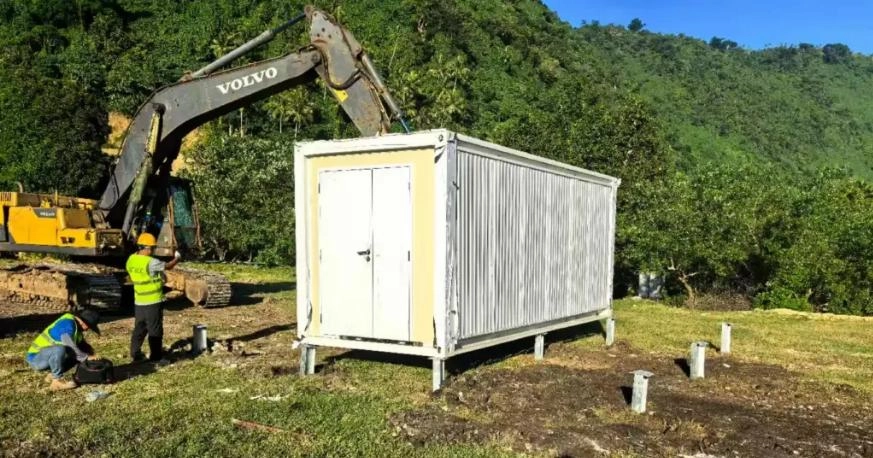
Expandable container houses are deployed mechanically rather than constructed on site. Typical installation follows a simple sequence: crane placement, unfolding, and utility connection.
Basic deployment is usually completed within hours, using small crews and minimal foundations. For distributors, this translates into fewer installation disputes, reduced reliance on skilled local labor, and far fewer after-sales technical complaints.
3. Designed for Scalable Project Supply
Expandable container houses are not designed for single-unit sales. They are engineered for batch deployment.
This makes them suitable for large labor camps, phased worker accommodation projects, and emergency housing programs where dozens or hundreds of units must arrive, install, and operate under consistent standards.
EPC contractors and government buyers increasingly favor suppliers who can support this level of scale reliably — which is why distributors with stable manufacturing partners gain a clear competitive edge.
What Distributors Actually Need From a Manufacturer (Beyond Price)
Price matters — but stability matters more.
Distributors who succeed long term usually look beyond quotations and evaluate whether a factory can support their business as project volume grows.
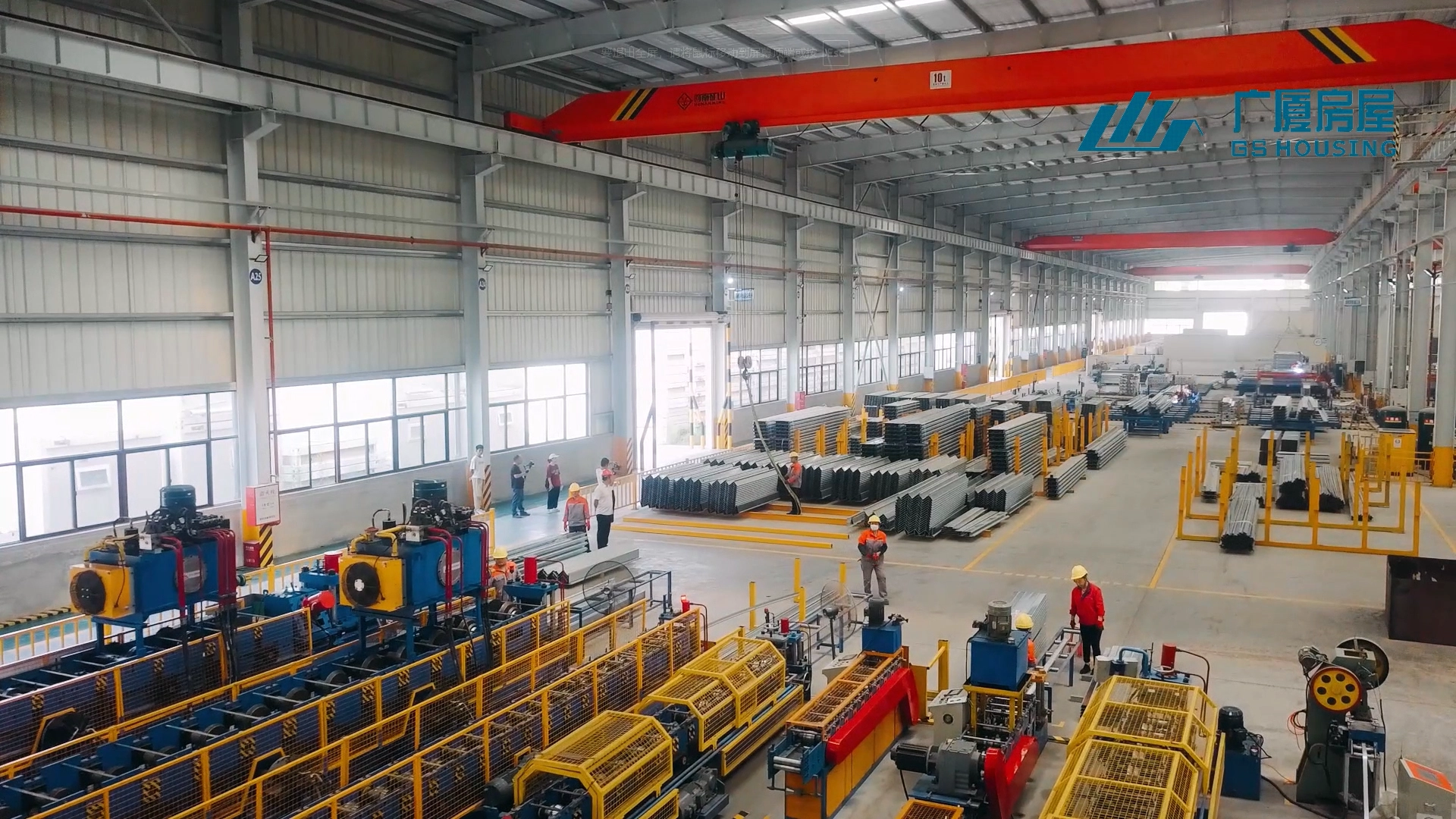
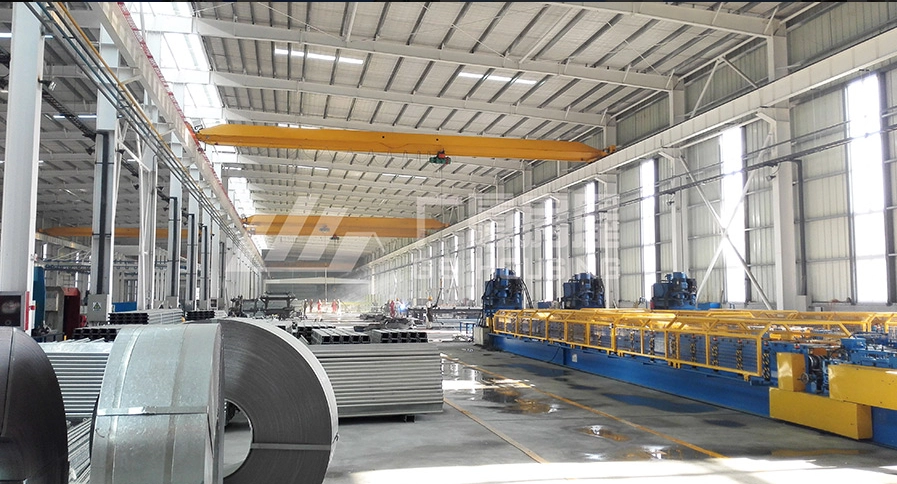
Stable Factory Production
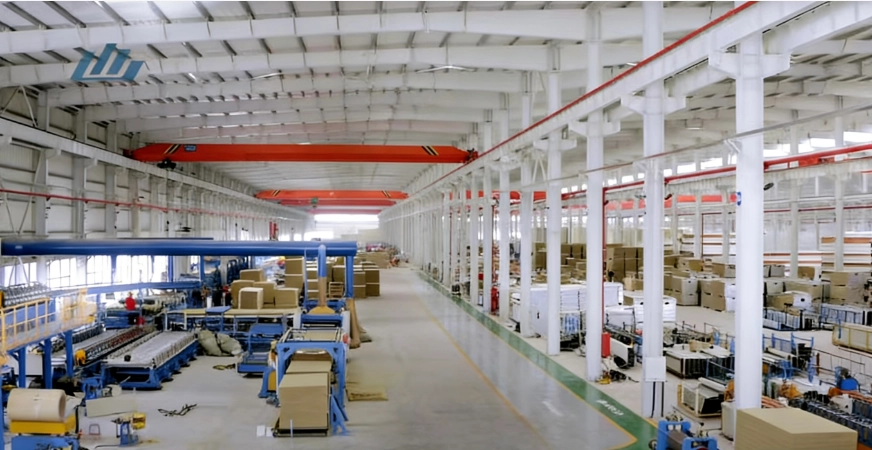
A reliable expandable container house factory(https://gsmobilehouse.com/company-history/) must deliver consistent structures, predictable timelines, and standardized export packing. Production stability protects distributor reputation just as much as product quality.
Engineering Support for Project Supply
Serious project buyers request technical data: wind load, insulation performance, electrical standards, and fire safety compliance.
Manufacturers with in-house engineering teams help distributors respond professionally during bidding and planning stages, especially when serving government or large-scale infrastructure clients.
Wholesale Pricing That Supports Sustainable Growth
For most distributors, pricing only becomes meaningful when volume grows. What really matters is knowing where your cost sits as orders increase, how reliable delivery timelines are, and whether supply planning stays consistent from one project to the next.
This kind of structure tends to attract partners who are building a long-term distribution business, not chasing one-off deals. For distributors who meet certain volume and market requirements, regional protection can also be discussed, helping reduce channel conflicts and keep margins stable as the market develops.
A Real-World Example: Mining Camp Accommodation in Vanuatu
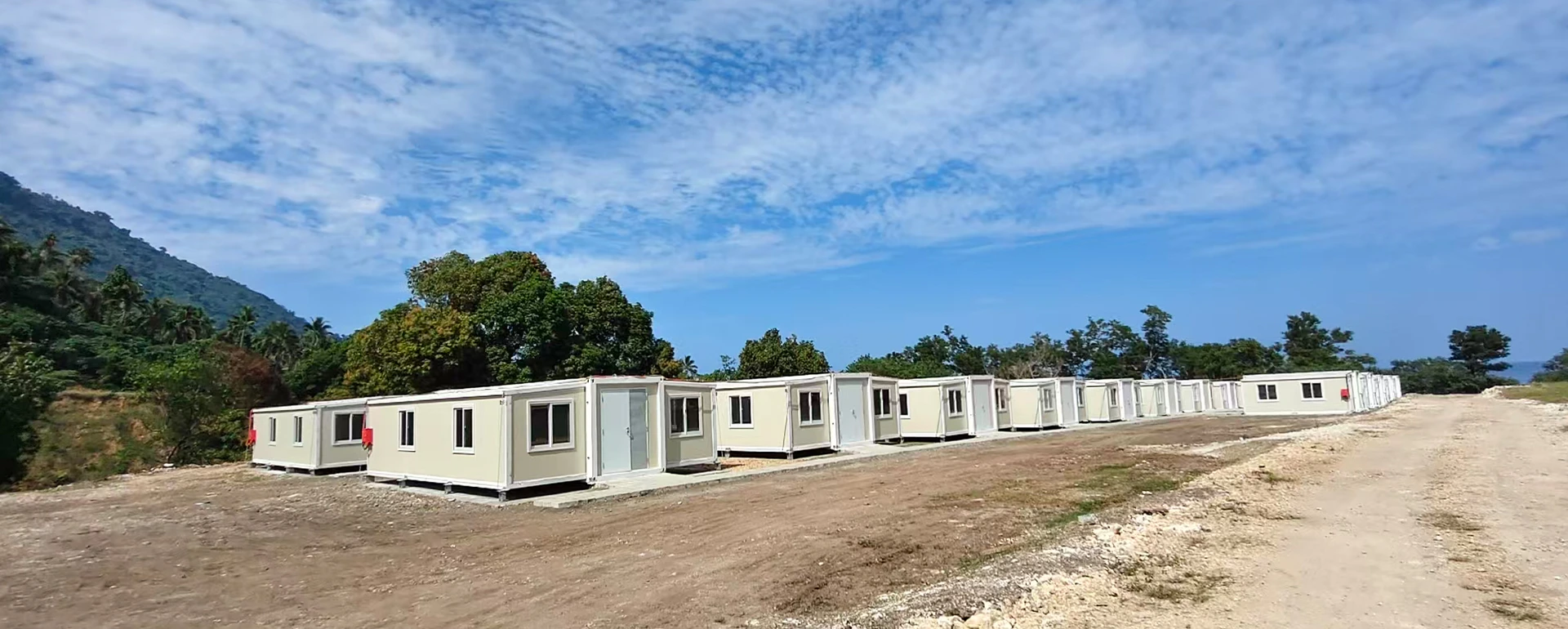
A recent mining camp accommodation project in the Republic of Vanuatu(https://gsmobilehouse.com/projects/vanuatu-expandable-container-camp/) illustrates how expandable container houses perform in demanding site conditions.
The project was delivered in a high-temperature, high-humidity environment, using a combination of 20ft(https://gsmobilehouse.com/20ft-expandable-container-house-your-flexible-space-solution/) and 30ft expandable container housing(https://gsmobilehouse.com/gs-housing-30ft-dual-wing-expandable-container-house/) units to form a functional living camp. All units were fully prefabricated in the factory before shipment, reducing on-site construction complexity from the start.
Once delivered, installation was completed within hours. This approach shortened overall site preparation time by at least 30% compared with conventional on-site construction, allowing the accommodation camp to be put into use quickly without relying on large local labor teams.
The dual-wing expandable structure helped balance logistics efficiency and usable space. During transport, units remained compact and container-like, simplifying shipping and handling. After deployment, interior space expanded significantly, providing practical living conditions suitable for long-term worker accommodation rather than short-term shelter.
Designed for durability, the units used steel structural systems and insulated wall assemblies suitable for hot and humid climates. Their reusability across multiple project phases also helped reduce long-term accommodation costs for the operator.
This project reflects how expandable container housing supports repeatable, scalable accommodation solutions for mining and resource projects — where speed, predictability, and durability matter more than architectural complexity.
Why Many Distributors Work Directly With Manufacturers
Working directly with an expandable container house manufacturer reduces communication layers, improves customization speed, and strengthens supply reliability.
Distributors gain clearer control over pricing, specifications, and delivery schedules — all critical when serving large project clients.
This is where manufacturers like GS Housing (https://gsmobilehouse.com/)naturally enter the conversation. With over 20 years of project supply experience and full compliance with CE and ISO standards, GS Housing focuses on long-term project supply rather than retail sales, supporting distributors through engineering coordination, production planning, logistics optimization, and installation guidance.
Start Building a Sustainable Distribution Business
Choosing an expandable container house manufacturer is not just a sourcing decision. It’s a strategic move that defines your long-term business ceiling.
If you’re planning to expand your distributor or dealer operation, clarity starts with understanding your target market, expected volumes, and typical project types. The right factory partner helps evaluate feasibility before capital is committed.
The right manufacturer doesn’t just deliver units — it becomes the foundation of a scalable, repeatable project supply business.