As a global distributor or dealer in construction or modular housing, you’ve probably asked these questions a hundred times:Is the expandable container house business worth jumping into? Can it actually make good money? Will it be easy to sell, or just another headache with logistics and after-sales?If you’re on the fence, this guide cuts through the jargon—we’re talking real market demand, clear profit numbers, and practical fixes for the problems you’ll actually face. No fluff, just what you need to decide if this is your next winning product line.
Expandable Container House Global Market Demand: Key Regions & Lucrative Buyers (Where the Money Is)
For distributors, the best part about this market is simple: demand is steady, most orders are bulk, and you can count on repeat business (not one-off sales). Here’s where the hot spots are:
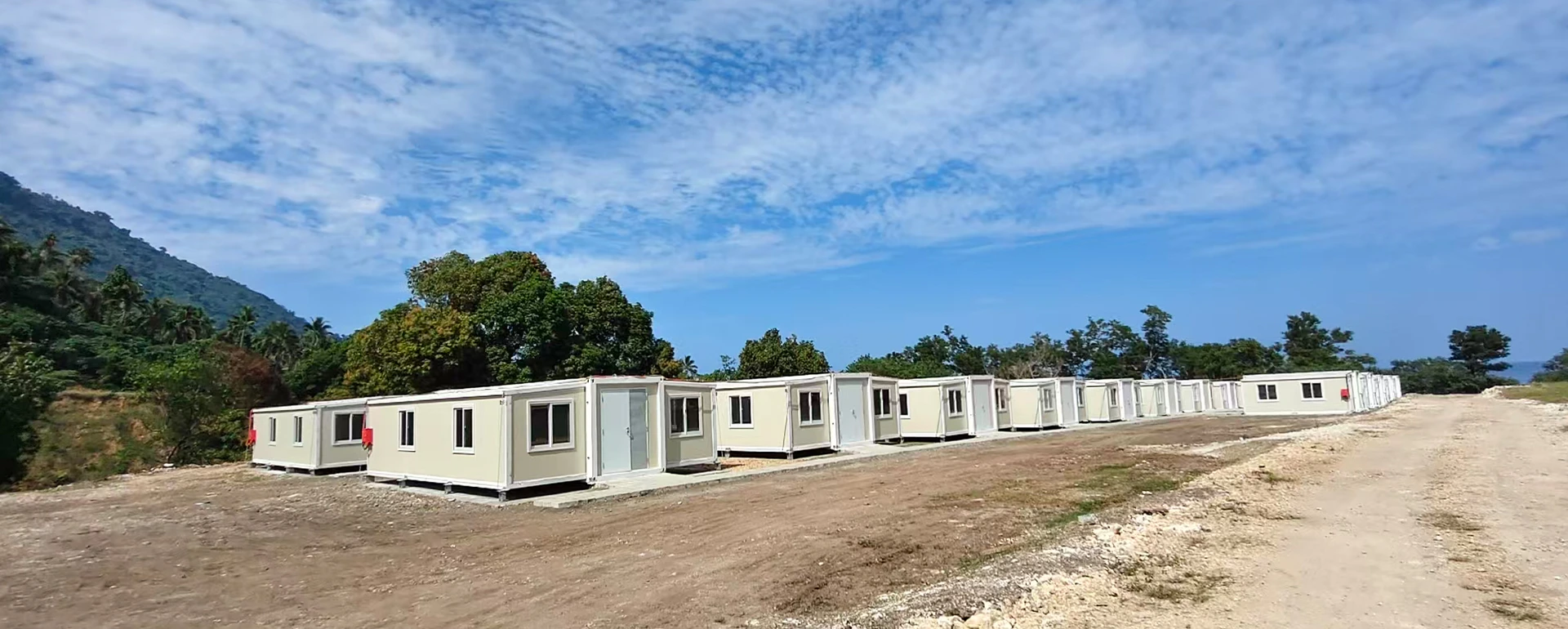
Middle East: Big infrastructure and energy projects (oil, gas, solar) need tons of worker camps; governments also buy units for remote temporary housing—all big, stable orders.
Europe: After floods or quakes, there’s urgent need for eco-friendly emergency housing; plus, modular temp homes that meet strict green standards are in high demand.
Australia: Mining teams work in remote areas—they need tough, long-lasting on-site accommodation, and they buy in bulk every time.
North America: Construction sites always need quick temp housing for workers, disaster-hit areas need shelters fast, and rural folks love these affordable modular homes—demand stays steady year-round, no dry spells.
Southeast Asia: Infrastructure builds are everywhere right now, so worker camps are in constant need; governments and NGOs also grab units quick for post-disaster relief, and they’ve got solid project budgets to back those orders.
Core Buyers (Your Bread-and-Butter Clients): Governments (for emergency housing and low-cost living spaces), big contractors (to house their on-site workers), and project owners (mining, energy, infrastructure teams) are your main clients. They all place bulk, project supply orders—so you get steady, growing revenue, not hit-or-miss sales that stress you out.
Why Expandable Container Houses Are a Smart Pick for Distributors
Let’s keep it real: you don’t want a product that’s hard to sell or full of after-sales trouble. Expandable container houses beat traditional options hands down, and here’s why (from a distributor’s perspective):
- Traditional Prefab Houses: Prefabs take weeks to build on-site, need lots of skilled labor, and you can’t move them later. Expandable units are fully built in the factory, fold up small for shipping, and are ready to use in hours—no messy on-site work, so your after-sales headaches drop way down.
- Standard Container Houses: Standard containers are tiny and fixed—you can only fit 1-2 per 40HQ container, so shipping costs kill your margins. Expandable units fold compact, so you can load multiple units per container—logistics costs plummet, and that’s extra profit in your pocket.
Expandable Container House Selling Points That Make Clients Say “Yes” (Guaranteed)
These aren’t marketing claims—they’re what actual buyers care about, so you’ll sell more, faster:
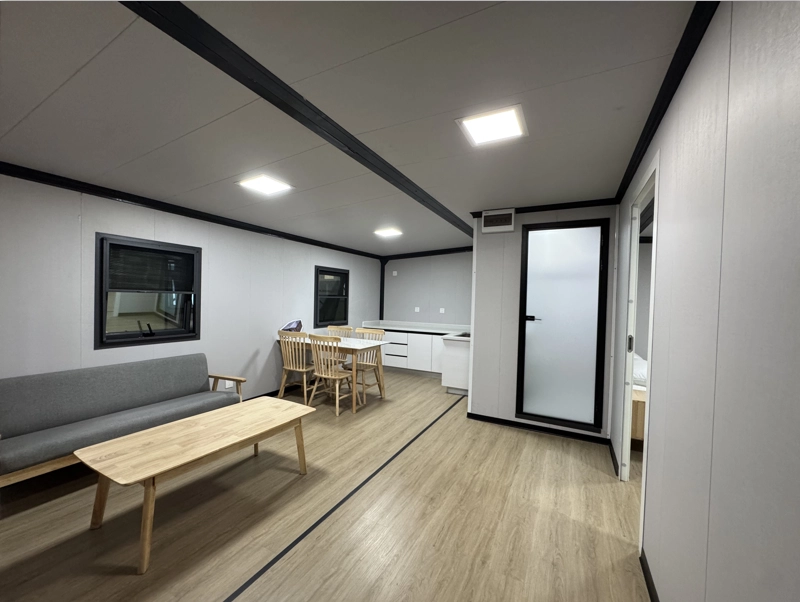
Expandable Space: A tiny 20ft folded unit opens up to 37 square meters(https://gsmobilehouse.com/20ft-expandable-container-house-your-flexible-space-solution/) of usable space (bedrooms, offices, even clinics). Finally, you can stop hearing “standard containers are too small” from clients who need more room.
Customizable Looks: Unlike plain, boring standard containers, you can tweak the exterior—change colors, switch up the cladding—to match local tastes (like European-style facades for EU markets, heat-resistant panels for the Middle East). Easier to sell, no doubt.
Fast Delivery & Setup: Units ship from the factory in days, and on-site installation takes just 2-4 hours (crane drops it, unfold it, hook up utilities—that’s it). Clients get instant use, they’re happy, and happy clients give you repeat orders.
Expandable Container House Pricing & Profit Margins (The Part Distributors Care Most About)
Let’s cut to the chase: how much can you actually make? Pricing varies by size, extras, and how many you buy—but these ranges are real for distributors (no fine print):
Factory Price Range: $4,000–$13,600 per unit. That’s from basic 20ft models (no frills) to fancy 40ft units with pre-installed bathrooms and appliances. Buy in bulk? You get tiered wholesale discounts—so the more you order, the lower your cost per unit.
Local Sales Price Range: Add shipping, duties, taxes, and your markup, and you’ll sell them for $6,500–$22,000 each. For high-spec units (meets strict EU/Australia standards), you can charge more—boosting your margins even more.
Profit Margin Range: Gross margins are usually 30%–60% per unit. For big orders (100+ units, common for project supply), factory prices get even better, so margins can hit 65% or more. That’s a solid, predictable profit—way better than lots of other construction products.
Common Expandable Container House Hurdles for Distributors (And Practical Fixes)
No business is perfect—you’ll run into snags, but the right fixes keep you profitable. Here are the 3 biggest pain points you’ll deal with, and simple ways to beat them:
- Hurdle: Messy Logistics & Customs Delays (First-Time Distributors Get Stuck Here)Fix: Partner with a manufacturer that gives you everything you need—standard export docs (CE/ISO certifications(https://gsmobilehouse.com/about-us/), detailed packing lists) and knows how to optimize shipping for your target region. This cuts shipping costs by up to 30% and stops customs from holding up your orders.
- Hurdle: Installation Headaches That Tank Your ReputationFix: Let’s be honest—your local team probably doesn’t know how to set these units up right, and a botched install means angry clients who’ll never order again. Don’t go it alone: pick a factory that gives you real support—step-by-step installation manuals, easy-to-follow video guides, and 24/7 remote help when you’re stuck. For big projects, just ask the factory to send someone on-site to supervise; it keeps clients happy and your reputation spotless.
- Hurdle: Clients Worry About Quality & DurabilityFix: Prove it, don’t just say it. Ask your factory for quality test reports (like wind resistance or earthquake safety ratings) and offer free samples to new clients. Throw in a 5-year structural warranty—that wipes out their doubts, and they’ll buy from you instead of competitors.Many reliable manufacturers like GS Housing (https://gsmobilehouse.com/)will proactively provide these test reports and warranty services, saving you extra effort in convincing clients.
How to Pick a Reliable Expandable Container House Manufacturer (5 Rules for Long-Term Profit)
Here’s the truth: picking the wrong factory will kill your business fast. These 5 simple rules help you find a partner that keeps you profitable, not stressed:
- Certifications Are Non-Negotiable: The factory must have CE/ISO certifications—you can’t sell in EU/North America without them, plain and simple.
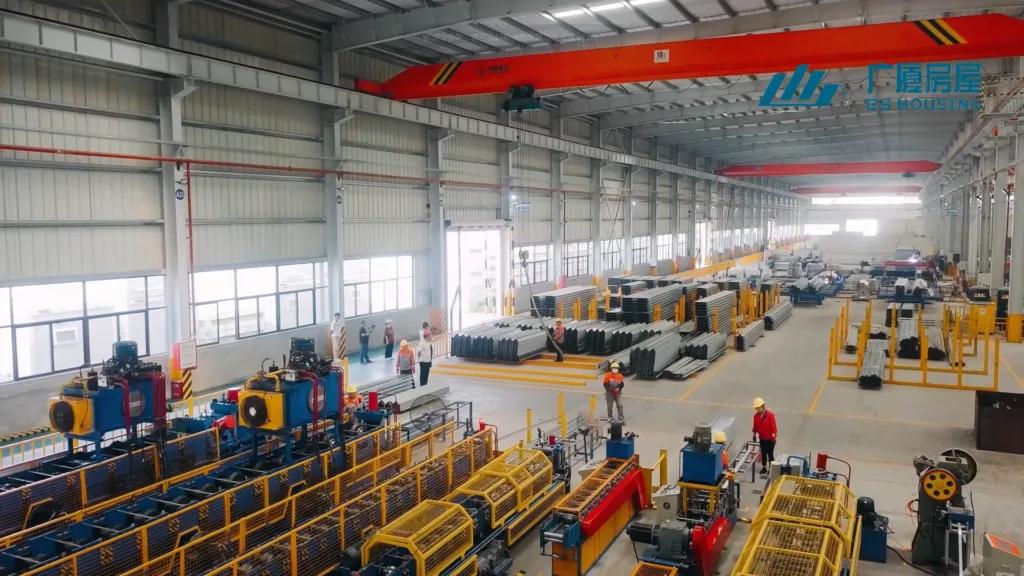
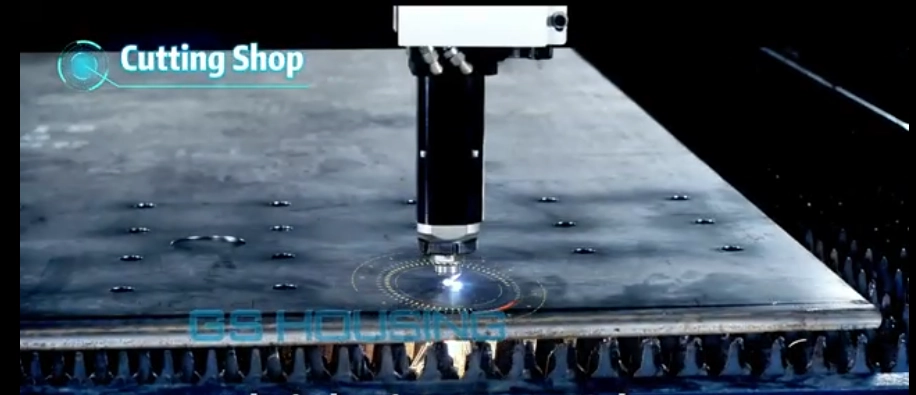
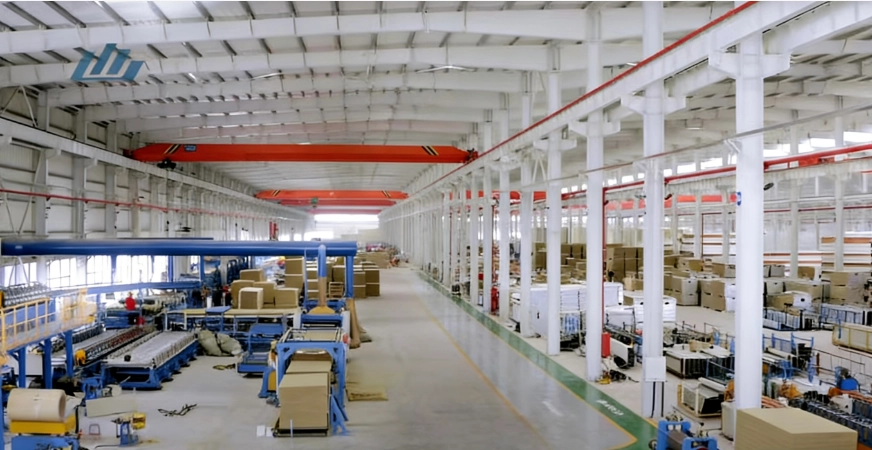
- Stable Production Capacity: They need dedicated production lines (for galvanized steel and assembly) (https://gsmobilehouse.com/videos/)to make sure bulk orders ship on time. No “out of stock” delays that cost you clients.
- Can Do Customizations: They need to offer OEM/ODM—tweak sizes, layouts, or extras to fit your region (like extra insulation for Canada’s cold, heat-proofing for the Middle East). One-size-fits-all doesn’t sell everywhere.
- Real After-Sales Support (Don’t Settle for Ghosting): You don’t want a factory that ships units and disappears—what if your client has a problem 3 months later? Look for partners who send detailed installation guides, honor warranties without hassle, and keep spare parts in stock for quick sends. This is a long-term partnership, not a one-off sale—you need someone who’s got your back post-delivery.
- Transparent Pricing (No Hidden Fees to Ruin Your Margins): Nothing kills your profit faster than surprise fees popping up after you’ve quoted clients. Make sure the factory has a clear, tiered wholesale pricing plan—more you buy, cheaper each unit gets, no fine print or hidden charges. This way, you can plan your profits clearly and never get caught off guard.GS Housing, for example, has a transparent tiered pricing system tailored for distributors, with no hidden costs, making profit planning a breeze.
Why Partnering With an Expandable Container House Source Factory Is a Game-Changer
More and more top distributors skip middlemen and work directly with source factories—and for good reason:No extra markups (so your costs are lower), you talk directly to the factory for customizations (no miscommunication), and you control quality (so every unit is consistent). All of this makes you more competitive locally, and your margins stay healthy for expandable container house distribution.Working with source factories like GS Housing also means you get access to exclusive distributor support, like regional protection and sample testing subsidies, which further boosts your market competitiveness.
Next Steps to Start Your Expandable Container House Business (No Overwhelm, Just Action)
The expandable container house market is a real opportunity—demand is there, profits are clear, and the kinks are fixable. For you to succeed, just nail 3 things: know your local market, pick a product with real advantages, and partner with a factory that checks all the boxes above.Ready to stop thinking and start acting? Do these small steps first: ask factories for technical docs, get project references from your target region, and confirm exactly what support they’ll give you (installation help, after-sales, etc.).
Want to Make This Easier?
We’ve put together a free Distributor Feasibility Checklist (exclusively tailored by GS Housing) — it has a simple scorecard to vet factories, so you don’t miss any red flags. Just reach out to GS Housing’s business development team to get your copy and discuss customized distribution support.