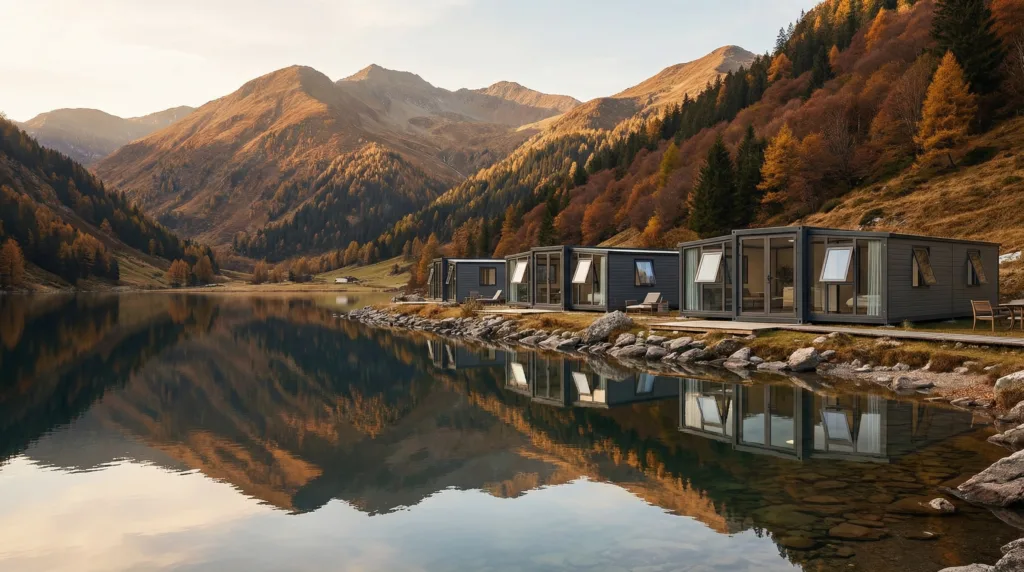
A small coastal eco-lodge operator in Southern Europe walked into a tough spot last winter. Utility bills for their drafty wooden cabins kept climbing, and they got an official notice: fall short of 2026’s updated EPBD rules, and penalties would start piling up. A traditional green rebuild sounded like the only fix—until they realized it meant months of noise, trucks in and out, a six-figure bill, and enough construction waste to ruin the quiet coastline their guests came to enjoy.
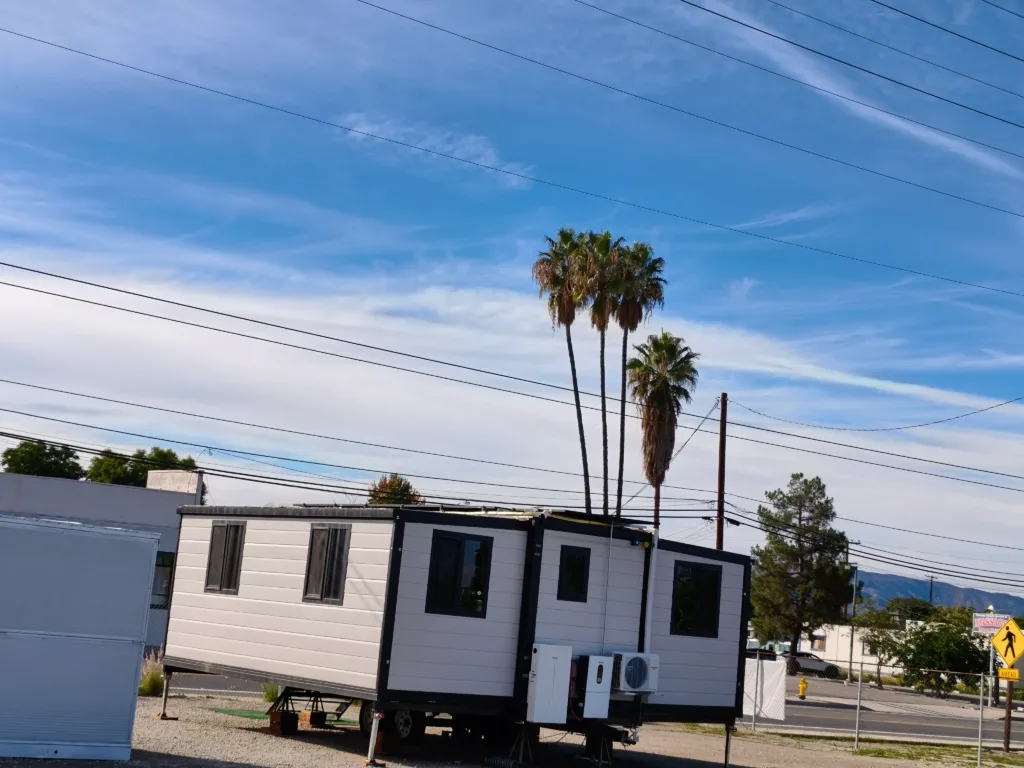
Half a world away in the U.S., a homeowner in the U.S. wanted a backyard ADU for family. They aimed for LEED v5 certification, something that felt responsible and future-proof. But traditional builders tore up their yard, left piles of unused materials everywhere, and pushed the price well above what’d planned. The worst part? Even before walls went up, the new steel and messy build already left a huge carbon footprint they’d been trying to avoid.
This isn’t some rare, isolated problem. It’s what so many people are dealing with in 2026. Homeowners, lodge owners, small business operators—everyone wants to build greener. But traditional construction keeps forcing the same awful choice: spend way too much on eco-upgrades, wait months through messy construction, get crushed by monthly utility bills, or face penalties for not hitting carbon rules.
Sustainable container homes(https://gsmobilehouse.com/container-house/) don’t just work around this problem. They erase it.
Repurposed steel becomes the base of a quiet, warm, low-carbon space that cuts energy use significantly, meets strict EU and LEED standards, and skips all the chaos of a full site build. At GS Housing, we don’t just provide these units. We walk homeowners and operators through the entire messy, confusing green building process—turning strict rules into real, tangible wins for daily life, budgets, and businesses.
2026 Green Building: Rules That Hit Your Wallet, Not Just the Planet
Let’s be clear: 2026 didn’t just make green building popular. It made it unavoidable.
The EU’s updated EPBD doesn’t just suggest better efficiency—it penalizes buildings that waste energy or rely on high-emission materials. LEED v5 in the U.S. isn’t impressed by small, symbolic upgrades anymore. It wants real, measurable carbon reduction, less waste, and builds that care for the planet over their full lifetime.
Traditional construction can’t keep up. A typical on-site home creates tons of unnecessary waste, relies on high-carbon new steel, and wastes massive amounts of energy through poor insulation. It’s bad for the planet, hard on budgets, and nearly impossible to align with today’s strict green rules.
Our expandable container homes rely on a factory fabrication + on-site installation model (https://gsmobilehouse.com/videos/)that solves every flaw of traditional building. This streamlined approach cuts construction water consumption and concrete loss by 60%, reduces construction and decoration waste by 70%, lowers overall energy use by 50%, and boosts total production efficiency by 2 to 3 times—all while keeping your yard or landscape untouched for months on end.
Recycled Steel Containers: Real Sustainability, Not Marketing Talk
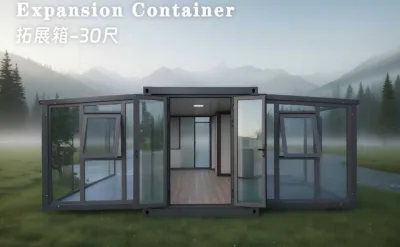
A used shipping container isn’t just a frame. It gives thousands of pounds of steel a second life, keeping it out of landfills and avoiding the heavy emissions that come with making new steel from scratch.
Traditional builds depend on high-carbon new materials and toss out lumber, concrete, and wiring at every step. Our factory-controlled process eliminates this waste entirely, with every component cut to precise measurements and zero unnecessary materials leaving the production line. No heavy equipment tramping fields or dunes, no runoff damaging ecosystems—this is low-impact building that protects the planet and cuts unnecessary costs.
The best part? Going low-carbon doesn’t mean giving up comfort. The single biggest hidden cost of any building is never-ending utility bills, and our engineered design eliminates that waste entirely, without forcing you to choose between green and comfortable.
GS Housing: We Build Homes That Are Simple, Safe, and Smart
We don’t hand you a spec sheet and walk away. We think about how you’ll actually live and work in the space.
- Safety You Can Trust, Built Right Into the Walls
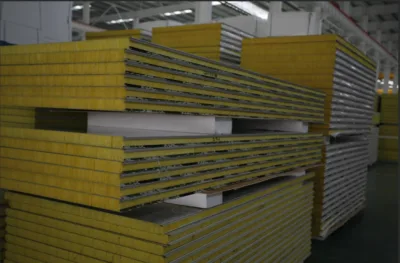
Inside every wall, we use dense, non-combustible insulation (64kg/m³ glass wool or 85kg/m³ rock wool) with the highest Class A fire rating. It’s not just about temperature; it’s about giving you one less thing to worry about, whether it’s for your family, your guests, or your business.
- The “Smart Jacket” That Takes Care of Itself
We coat every unit with a graphene-enhanced layer. Think of it as a smart, all-weather jacket for your home. It spreads heat evenly so there are no cold spots, and it reflects summer heat so your interiors stay cooler. This jacket is tough: it stands up to sun, rain, wind, and even coastal salt air for 20 years without repainting. And when it rains, it cleans itself naturally. No constant maintenance, no fading, just lasting protection.
- A Built-In Energy System That Cuts Your Bills From Day One
Every unit comes with a 12kW integrated energy-saving system — more than enough power for a family home, a small lodge, or an office. You won’t have to choose between comfort and cost. The design eliminates drafts and hot/cold spots that make heaters and ACs work overtime. Plus, we pre-wire for solar panels, install low-flow water fixtures, and include heat-recovery ventilation as standard. Efficiency is built-in, not added on as a costly afterthought.
Spaces Built for Real Life, Not One-Size-Fits-All Rules
Green building should fit your life, not force you to adapt to it. That’s why our designs work for a family backyard, a coastal retreat, or a main street business—without compromise.
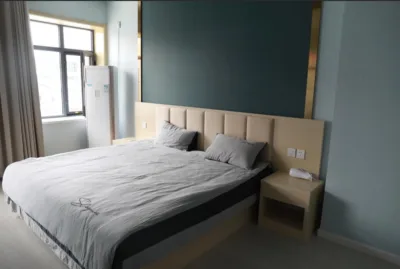
- For Homeowners: You get a quiet, healthy space with steady temperatures. The fire-safe walls and long-lasting exterior mean you spend your time living, not maintaining. It’s straightforward, comfortable living that fits around you.
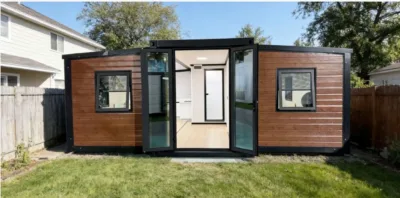
- For Hospitality Operators: Our units blend into nature and withstand harsh coastal weather. Low running costs protect your profits, and their genuine green story is exactly what today’s travelers want—turning sustainability into your biggest booking advantage.
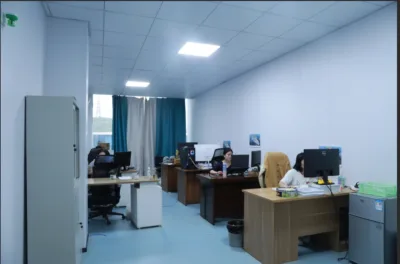
- For Small Businesses: Get a functional workspace in a fraction of the time of a traditional build. There’s almost no site waste, it hits ESG goals effortlessly, and low energy use keeps overhead predictable. No delays, no mess.
Long-Term Value That Actually Sticks
The value of a sustainable modular home goes far beyond a lower monthly bill.
Across the EU, the U.S., and elsewhere, governments offer tax breaks, faster permits, and grants for low-waste, efficient builds made with recycled materials—benefits most traditional builds can’t access.
And because our units are modular, they’re relocatable and expandable. If your needs change, your space can change with you. No demolition waste, no sunk investment, no need to start from scratch and create a new carbon footprint. When it’s time to sell or rent, these homes hold their value: people actively look for efficient, low-maintenance spaces that are kind to both wallets and the planet.
Final Thoughts
2026’s green building rules don’t have to be a burden. You shouldn’t have to choose between hitting carbon targets, staying on budget, and having a space that’s warm, quiet, safe and truly yours.
Our expandable container homes turn strict global standards into simple, daily wins: less waste, less water use, half the energy cost, faster builds, and a durable, low-maintenance design that works for real life.
At GS Housing(https://gsmobilehouse.com/), we cut through the complexity of green building—no penalties, no delays, no impossible trade-offs. Just sustainable, practical spaces built for how you actually live and work.
This is building for what comes next: no compromise for the planet, your budget, or your peace of mind.