Before a Home Is a Home
Some questions don’t leave you alone.
One of mine began on a cliffside in Vanuatu — watching steel unfold into shelter while ocean wind tried to tear everything apart. A man stood inside that unit later, closed the door, and said only one thing:
“I can sleep. That means I can live.”
I remember asking him quietly, “Does it really feel like home?”
He shrugged, looked at the walls, and whispered, “It’s the first time I’ve closed a door in months. I think that counts.”
That moment changed the way I think about modular buildings forever — and later, when I joined GS Housing and walked through our expandable units for the first time, that sentence echoed back to me. A home is not a box. A home is a place where someone finally exhales.
Container homes are trending everywhere — TikTok tours, eco-villages, desert communities. But behind the hype sits one quiet, uncomfortable question:
Can a container home ever become a permanent place where someone builds a life?
Can Container Homes Truly Become Permanent Residences?
Short answer: Yes — structurally, they can last and perform like long-term residential units.
Long answer: Whether they count legally depends on policy, not steel.
Modern expandable modular homes today include:
galvanized cold-rolled Q235B steel (like armor-level skeleton strength)
zinc-layer corrosion protection (like sunscreen for metal)
insulation systems that seal heat like a thermos bottle
waterproofing that behaves like a raincoat — seams taped, no shortcuts
layouts with private bathrooms, storage, and livable flow — not “just space”
A house becomes a home when a person feels continuity — that life can continue inside its walls.
The Biggest Barrier Isn’t Steel — It’s Policy & Building Codes
Even if a container structure is hurricane-proof, it won’t “exist” legally as a residence without paperwork.
Across global markets, reality usually looks like this:
| Region Type | Typical Legal View |
| Modular-friendly zones | Container homes can register as permanent residences |
| Neutral / In-between | Case-by-case approval + documentation required |
| Temporary-use markets | Accepted only as temporary buildings |
Typical documents governments request:
structural steel certificates (wind & seismic resistance)
insulation performance & fireproof ratings (Class-A / B1 panel specs)
drainage & waterproofing drawings
electrical compliance
foundation or anchoring plan
Most buyers don’t know:
Manufacturers like GS Housing can provide factory test data, load calculations, and foundation recommendations — but policies differ by country, so buyers should always confirm local requirements before planning permanent residency.
Tip box for independent blog readers:
Before purchase — ask the most boring question first:
“Which rules apply in my region?”
It will save you months of frustration.
What Makes Expandable Container Homes Different?
Traditional houses demand land permits, concrete foundations, time, and labor.
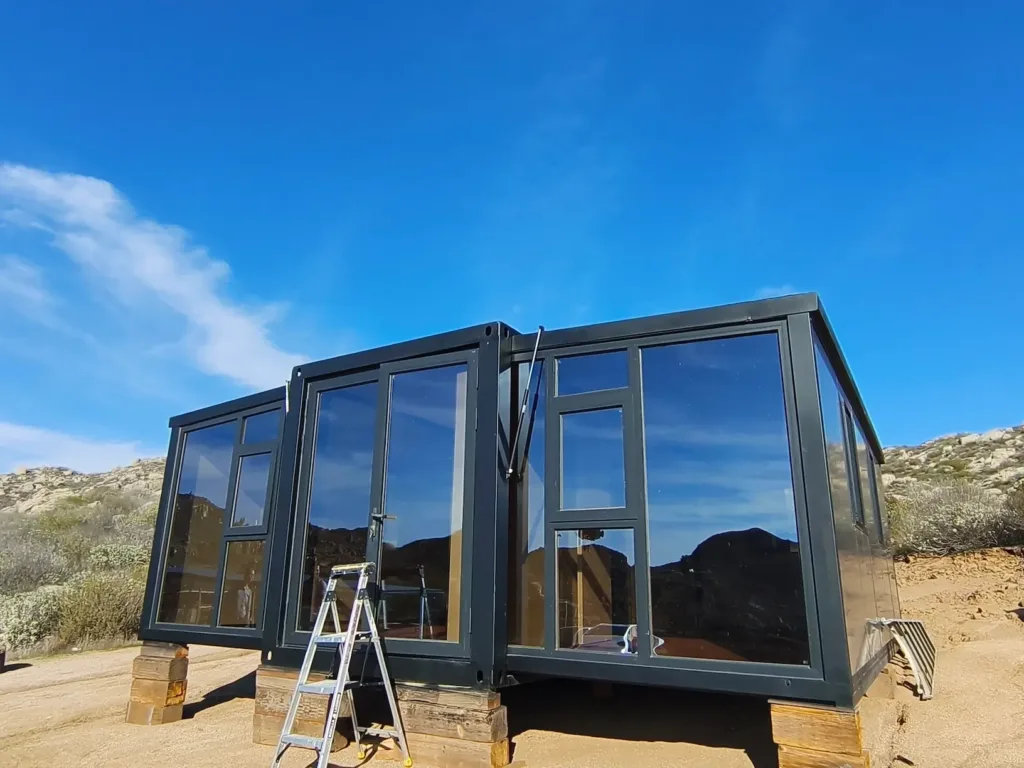
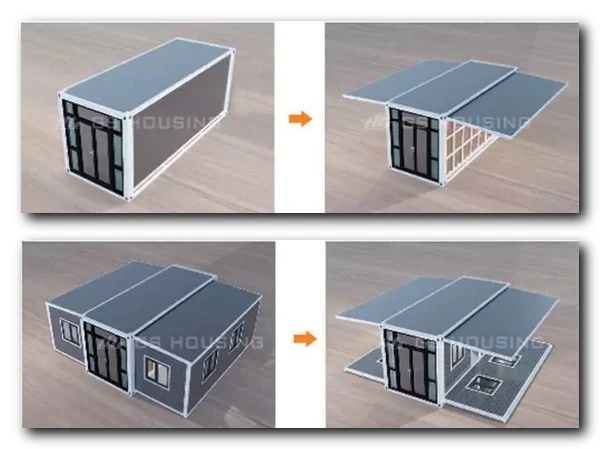
Expandable modular homes arrive compact, unfold on-site — almost like watching a book open itself.
What Happens During Setup
side modules extend and lock
internal floors elevate above ground moisture
rain gutters channel water — instead of letting humidity creep in
electrical + water hook-ins plug without cutting steel
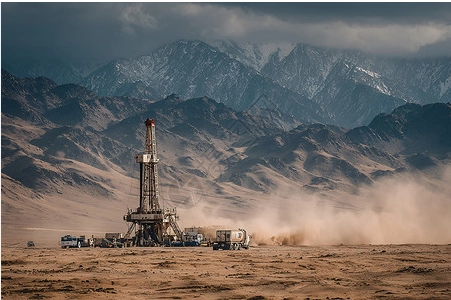
Oil Camps Are Not Just Beds — They’re Human Places
Governments and NGOs usually think in two stages:
| Stage | Typical Tool |
|---|---|
| Day 1 emergency | Tents |
| Year-5 permanent housing | Concrete buildings |
But what about Month 14? Year 2?
Displacement often lasts years.
Expandable homes exist in the middle — a dignified, movable bridge.
Case Study — When Steel Meets Climate: Vanuatu, 2024
Climate in Vanuatu is unforgiving — concrete cracks from salt air, timber rots, steel rusts like fruit turning brown.
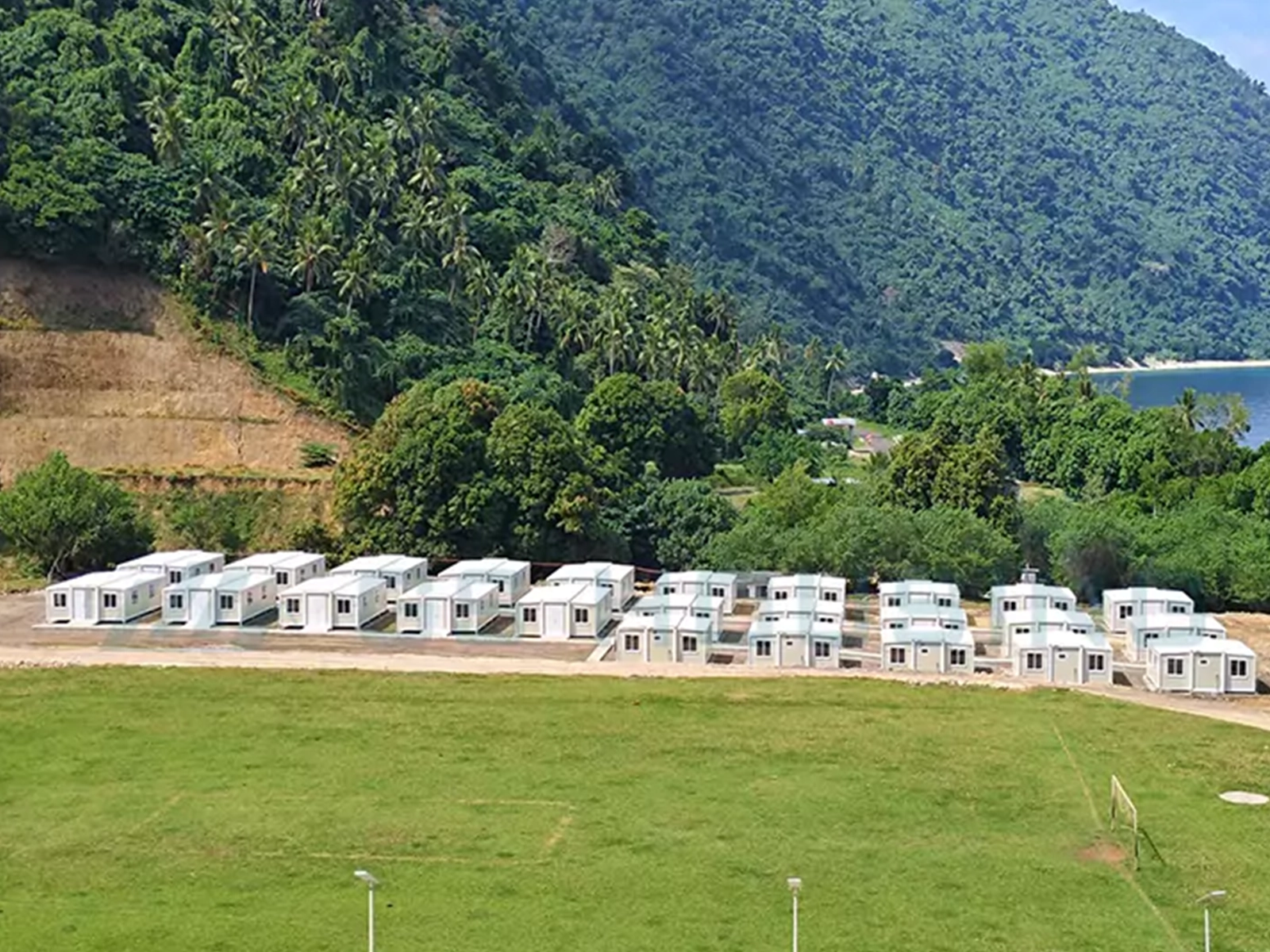
Yet in mid-2024, GS Housing completed an Expandable Container Camp consisting of:
| Unit Type | Function |
|---|---|
| 20-ft expandable home (5990 × 6300 × 2480 mm) | Staff bedrooms + private bathroom + compact kitchen + dining |
| 30-ft expandable office (9000 × 6420 × 2480 mm) | Manager’s office + workstation zone + small meeting room |
Outcome:
People slept — well. Work continued. The structures stood firm.
One project manager laughed while signing the handover sheet:
“It’s funny — I never thought steel could feel warmer than concrete. But here we are.”
To view similar products, please visithttps://gsmobilehouse.com/20ft-expandable-container-house-your-flexible-space-solution/
The Challenges We Don’t Pretend Away
Real-world friction exists:
permits take time in most countries
comfort relies on correct insulation thickness, not minimum numbers
wet climates require engineered drainage
fireproofing must match documented legal class, not word-of-mouth claims
One missing gutter. One weak weld.
And a “home” becomes a box.
That’s why planning with experts matters — not all container homes are equal.
FAQ — Real Buyer Concerns
Q1 — Can container homes last 20+ years?
Yes — with galvanized steel + anti-corrosion layers + proper insulation. Many last 15-25 years, longer with maintenance.
Q2 — Can I register it for address & mail?
Often — yes. Depends on zoning. Paperwork matters.
Q3 — Are they comfortable in extreme heat or snow?
With correct insulation + vapor barrier + ventilation — they can outperform wood homes.
So… Are Container Homes the Future of Permanent Living?
Maybe the real question is:
What kind of housing future are we trying to build?
Container homes — especially expandable models — offer:
affordability without shame
speed without sacrifice
mobility without instability
sustainability without guilt
A home isn’t defined by material.
It’s defined by continuity — life that continues inside it.
Want Real-World ROI Numbers or Layout Plans?
Q: How fast can a camp be set up?
A: One crew can deploy 20–30 units per day. Full settlements in under a week.
Q: Will they rust?
A: Zinc-coated steel + insulated panels → lifespan 10–15+ years with normal maintenance.
Q: Can they move again?
A: Yes. Fold, lift, transport. Reopen. Many camps relocate 3–6 times without damage.
Q: Are they safe for women & children?
A: Yes—lockable doors & rigid walls create a controlled, protected environment.
Final Thought — and a Soft Invitation
Housing is emotional before it is technical.
If you’re thinking about permanent modular living —
the smartest first step isn’t choosing a product.
It’s asking:
What rules apply where I live — and what life do I want inside these walls?
If you want guidance — zoning info, layout suggestions, or cost clarity —
tell me your location, and I’ll send a safe, accurate plan —
no forms, no pressure, no sales push.Get your customized container home guidance here→https://gsmobilehouse.com/contact/