For a long time, container housing carried a simple label: temporary.
Something practical, short-term, and easy to replace.
That image didn’t come from nowhere. Containers first appeared where speed mattered more than comfort—construction sites, emergency zones, remote projects. But as many of these “temporary” units stayed in place year after year, a quiet shift happened.
Today, container housing applications increasingly overlap with long-term living needs. Not as a design trend, but as a response to real constraints: rising construction costs, difficult locations, tight timelines, and the limits of conventional building methods.
From Temporary Use to Long-Term Living: What Changed in Practice?
The biggest shift wasn’t in how container homes looked, but in how they were engineered for longterm use.
Early container conversions assumed short stays. Insulation was basic, layouts were compressed, and maintenance expectations were low. But when people stayed longer than planned, issues surfaced—condensation, noise, corrosion, and fatigue from cramped layouts.
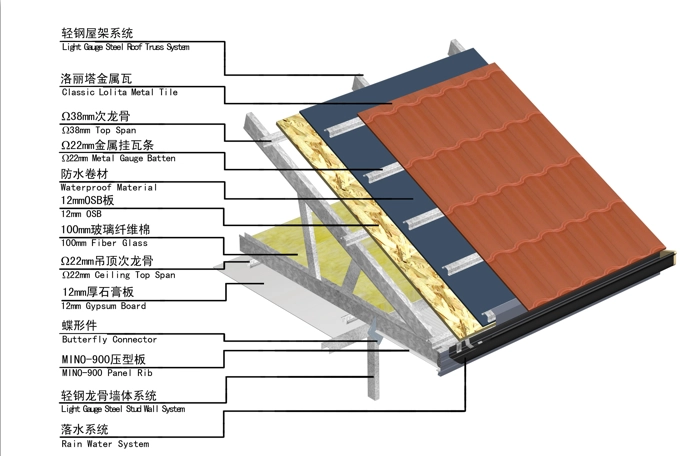
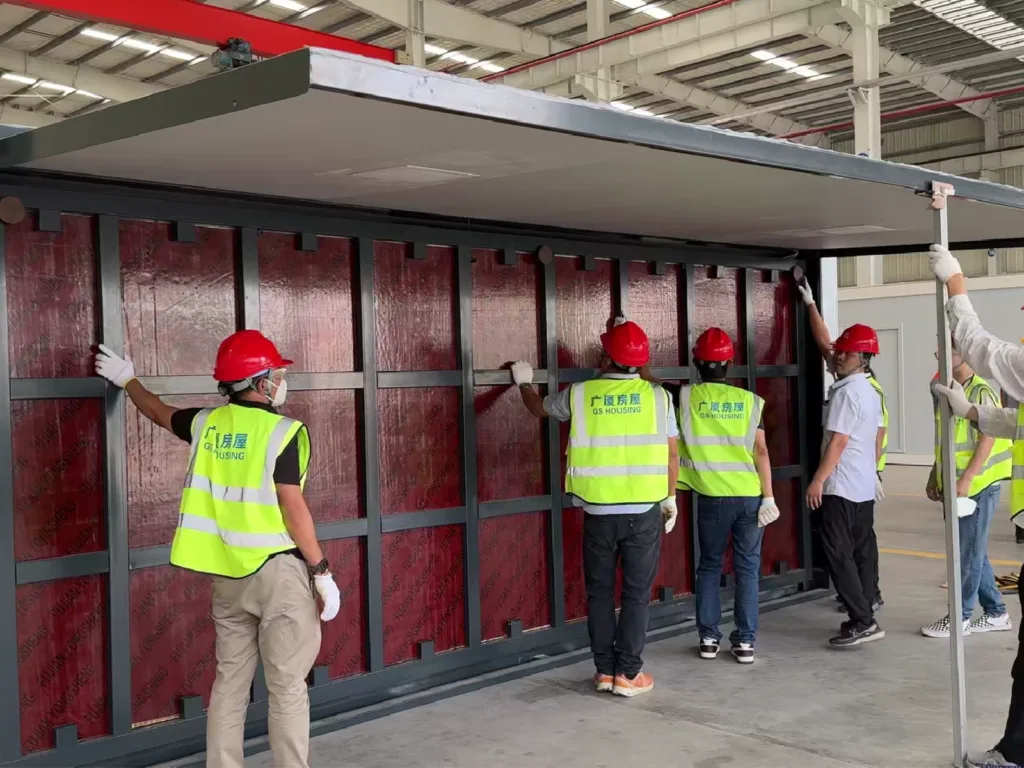
Modern modular housing solutions(https://gsmobilehouse.com/container-house/) approach containers differently. They assume people will live full routines inside them—sleeping, cooking, working, and repeating that cycle for years. That assumption reshapes everything: structure, ventilation, durability, and how space is divided.
Four Long-Term Container Housing Applications That Are Actually Working
1. Remote Area Worker Housing: Where “Temporary” Quietly Turns Permanent
Picture a worker finishing a long shift at a hydropower site or mine, hours from the nearest town. There’s no rental housing, no hotels, no easy commute. Wherever they rest tonight is where they’ll be living for months—often years.
This is precisely where remote-area container homes gradually evolved into long-term accommodation.
At first, expectations were low: a bed, a shower, a roof that doesn’t leak. But as projects stretched on, workers began valuing quieter rooms, reliable insulation, and layouts where sleeping wasn’t right next to shared spaces.
Well-built container housing proved dependable in these conditions—not because it felt luxurious, but because it stayed stable through seasons, heavy use, and limited maintenance access.
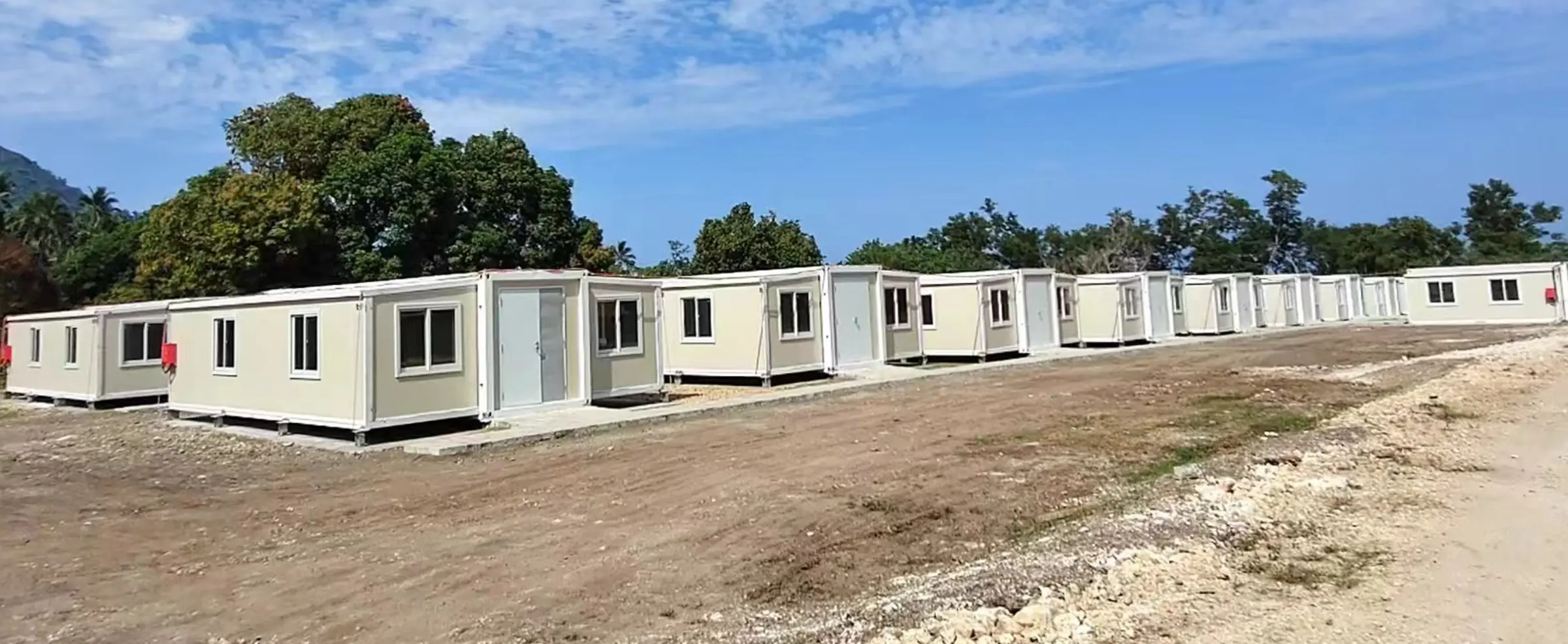
Explore GS Housing’s expandable container house projects — delivering safe, durable, and quickly deployable modular homes.
2. Island and Coastal Living: Built for Salt, Humidity, and Reality
Living near the sea isn’t just about storms—it’s about everything in between. Salt air, constant moisture, and materials that quietly degrade year after year.
In many island and coastal regions, traditional houses demand ongoing repairs. Timber swells. Concrete cracks. Paint peels faster than expected.
Container housing gained acceptance here because steel structures, when properly treated, age more predictably. With corrosion protection, sealed joints, and controlled ventilation, they handle humid conditions with fewer surprises.
That’s why container homes are now used as long-term residences in island communities and coastal industrial zones—places where durability matters more than architectural flair.
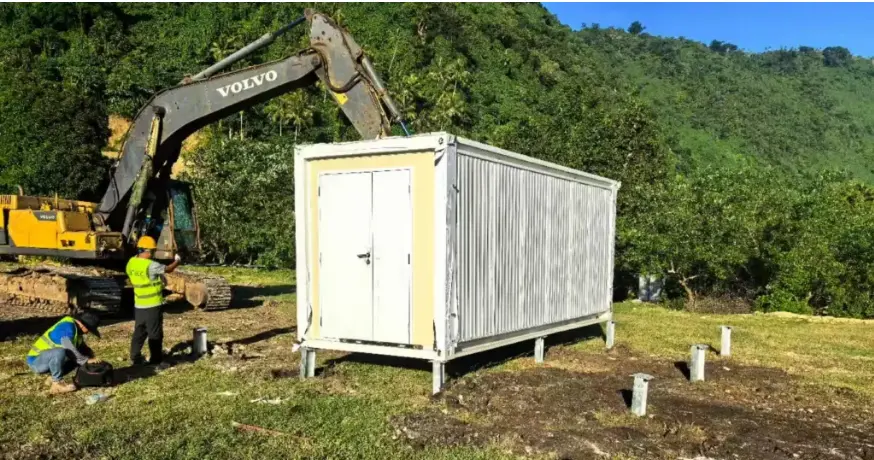
3. Project-Based Camps: When Housing Has to Adapt Over Time
Large infrastructure projects rarely stay static. Teams grow. Functions shift. A site that starts with 200 people can double within a year.
This is where modular container housing(https://gsmobilehouse.com/20ft-expandable-container-house-your-flexible-space-solution/) shows its long-term value.
Instead of building fixed structures that resist change, container systems allow housing to expand or reorganize as needs evolve. Sleeping units turn into offices. Storage becomes clinics. Entire sections are added without restarting the project.
People don’t just pass through these camps—they live there long enough to notice whether layouts support daily routines. Adaptable housing cuts down on friction, fatigue, and disruption over the long haul.
4. Long-Term Basic Housing in Developing Regions: Stability First
In many developing regions, the primary housing challenge isn’t design—it’s consistency. Families need spaces that stay dry, secure, and habitable year after year.
Container housing(https://gsmobilehouse.com/gs-housing-30ft-dual-wing-expandable-container-house/ )fills this role quietly.
These homes are often modest, but reliable. Doors close properly. Roofs don’t leak. Interiors can be insulated and ventilated. Over time, families personalize the space without rebuilding from scratch.
What makes these projects long-term isn’t aesthetics—it’s the ability for residents to stay, settle, and plan their lives around a stable structure.
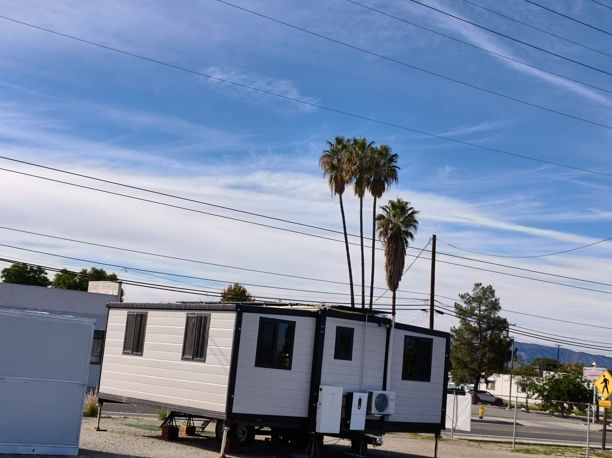
Why Expandable Container Homes Fit Long-Term Living Better Than Expected
Expandable container homes are often discussed in terms of size, but their real advantage shows up later.
Living long-term in a narrow, single-space unit becomes mentally tiring. Noise overlaps. Privacy disappears. Expandable designs ease that pressure by allowing separation—sleeping here, living there—without complicating transport or installation.
That’s why expandable container homes use cases frequently appear in long-term worker housing, family accommodation, and evolving communities. They don’t chase maximum area; they support livability over time.
Container Housing: No Longer Just a Temporary Answer
Container housing hasn’t replaced traditional construction, nor does it need to. Its role is more specific.
Where speed matters, environments are harsh, or flexibility is essential, container housing has proven it can last. Not because it’s trendy, but because it fits how projects and communities actually operate over years, not months.
If you’re exploring long-term housing options and want to understand whether container-based solutions make sense for your context, it often helps to talk through real constraints—location, duration, climate, and future changes.
For those questions, starting a conversation is usually more useful than browsing specifications alone.
→ https://gsmobilehouse.com/contact/