I’ve been around construction and mining projects long enough to notice a pattern that rarely gets written into brochures.
“Temporary housing” almost never stays temporary.
And more importantly—it almost never handles relocation as well as people expect.
A highway project manager I know was venting recently. Not angry, just tired.
“Our K-type prefab homes worked fine at the start,” he said. “But six months later, when we shifted them to the next section, problems showed up fast. Drafts through wall joints. Rain getting in. The AC ran constantly but still couldn’t keep the rooms comfortable.”
He shrugged. “We were spending more than 20 hours a month just fixing housing issues. Not because the design was bad—but because it didn’t survive the move.”
A mining operations manager told a similar story, only worse.
“We relocate three times a year. By the third move, those K-type homes felt unstable. Floors flexed when you walked. Insulation fell out in places. Heating costs jumped by about 50%. They’re sold as relocatable, but every move made them less livable.”
That’s the uncomfortable reality of most relocatable housing.
It works on day one. Then relocation exposes everything.
Misalignment. Seal failure. Small issues that turn into routine maintenance, higher energy use, and frustrated crews who just want a dry, stable place to rest.
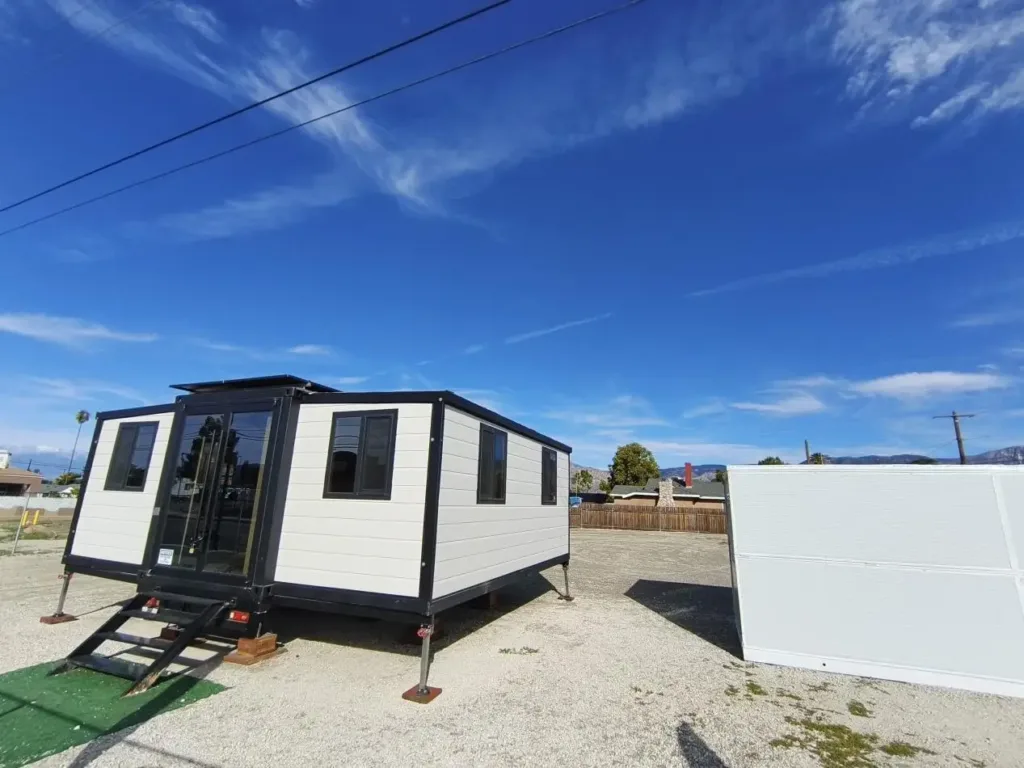
Dual-wing expandable homes take a different approach.
Dual-wing expandable homes
(learn more athttps://gsmobilehouse.com/container-house/ )
They’re built around the assumption that relocation isn’t an exception—it’s part of the job.
The Core Flaw: K-Type Housing Was Never Designed for Repeated Moves
Traditional K-type housing isn’t poorly made. It’s just built on a different assumption.
These systems are designed to be assembled on site, once. Panels are aligned, sealant is applied, and everything depends on that first installation being done well.
The trouble starts when you undo that work.
Every relocation becomes a partial rebuild, relying on:
- Crews re-aligning panels by eye
- New sealant compensating for worn joints
- Experience—or luck—during reassembly
Nothing fails outright. Performance just drifts.
The pattern is familiar:
- First setup: everything works
- First relocation: minor drafts, some rework
- Second or third move: leaks, heat loss, rising energy bills, and regular repair calls
For projects that move with phases—construction, mining, emergency deployment—that slow decline becomes an operational problem, not a housing one.
Engineered for Repetition: How Dual-Wing Homes Handle Relocation Differently
Dual-wing expandable homes start from the opposite premise. They aren’t reassembled on site. They’re folded, transported, and unfolded—using the same mechanical sequence every time.
A Controlled Mechanism, Not a Rebuild
You’re not rebuilding a structure; you’re activating one.
Instead of disassembly, the structure uses factory-set hinges and locking points. These are tested before delivery, not adjusted in the field.
A site supervisor once described it simply:
“With the old units, every move felt like a small construction project. With these, it’s routine. Unfold, lock, connect.”
That distinction matters more than it sounds.
Seals That Re-engage Instead of Wearing Out
This is where many relocatable systems struggle.
K-type housing relies heavily on applied sealant—materials that are meant to be permanent but get destroyed during disassembly. Each move means redoing that work, with different results every time.
Dual-wing homes use integrated compression seals built into the panel system. When the unit unfolds, those seals compress again—same contact points, same pressure.
You’re not hoping the seal works. You’re repeating a tested condition.
Factory Control Reduces Field Variables
Most of the complexity is resolved before the unit ever ships. Expansion cycles are tested. Structural alignment is fixed.
For factory-controlled production process details,visit https://gsmobilehouse.com/videos/
On site, the process is intentionally boring:
1.Place the unit on level ground
2.Expand and lock the wings
3.Connect utilities
Less judgment. Fewer adjustments. Fewer surprises.
A Project Manager’s Summary Before Comparing Systems
When housing has to move, the real cost isn’t what you pay upfront.
It’s what it costs you after the second or third relocation—time, repairs, energy loss, and crew distraction.
With that in mind, the contrast becomes clear.
Predictability vs. Variability Over Time
| Aspect | Traditional K-Type Housing | Dual-Wing Expandable Homes |
|---|---|---|
| Design intent | One-time on-site assembly | Repeated relocation cycles |
| Performance after moves | Depends on reassembly quality | Consistent by design |
| Sealing behavior | Degrades, needs rework | Re-engages mechanically |
| Structural feel | Can loosen over time | Remains stable |
| Maintenance load | Increasing and irregular | Low and predictable |
| Impact on crews | Disruption and discomfort | Stable living conditions |
The GS Housing Approach: Lessons From What Didn’t Work
GS Housing’s dual-wing systems didn’t come from theory alone.
Most design decisions came directly from what failed on earlier projects—misaligned panels, seals that didn’t survive transport, structures that lost rigidity after relocation. 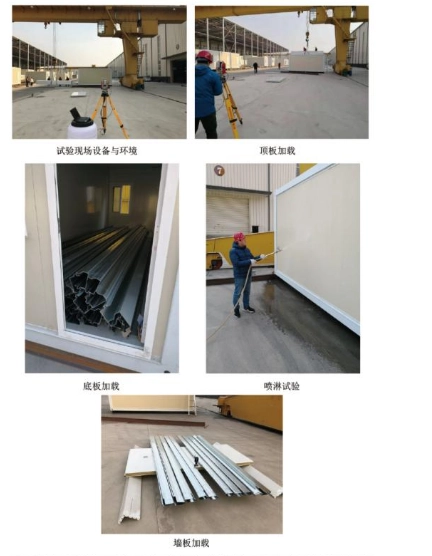
Instead of adding more on-site work, the focus shifted to removing it.
The result is housing designed to behave the same way across its lifecycle, not just on the first install.
Final Thought: Mobility Only Works When Stability Follows
Relocatable housing isn’t really about moving buildings.
It’s about moving them without losing performance.
Dual-wing expandable homes don’t eliminate every challenge. But they remove uncertainty. They replace “let’s see how it holds up this time” with “we know what to expect.”
For projects where relocation is planned—not accidental—that reliability matters.
Relocatable housing solutions→https://gsmobilehouse.com/contact/
In the end, the best mobile housing isn’t just easy to move.
It’s easy to trust, every time you move it.