Your Backyard Has Potential — But How Much Disruption Are You Willing to Live With?
Most homeowners don’t think about construction when they look at their backyard.
They think about quiet mornings.
Kids playing on the grass.
A place to breathe after work.

Then someone mentions an ADU — and suddenly that same space becomes a “project.”
On paper, it sounds simple: add a small unit, earn rental income, create flexibility for family, boost property value. But what often gets skipped is the part where you keep living there while it’s being built.
For many homeowners, the real question isn’t whether an ADU makes sense.
It’s whether they want to spend the next several months sharing their home with noise, dust, and strangers walking through the yard.
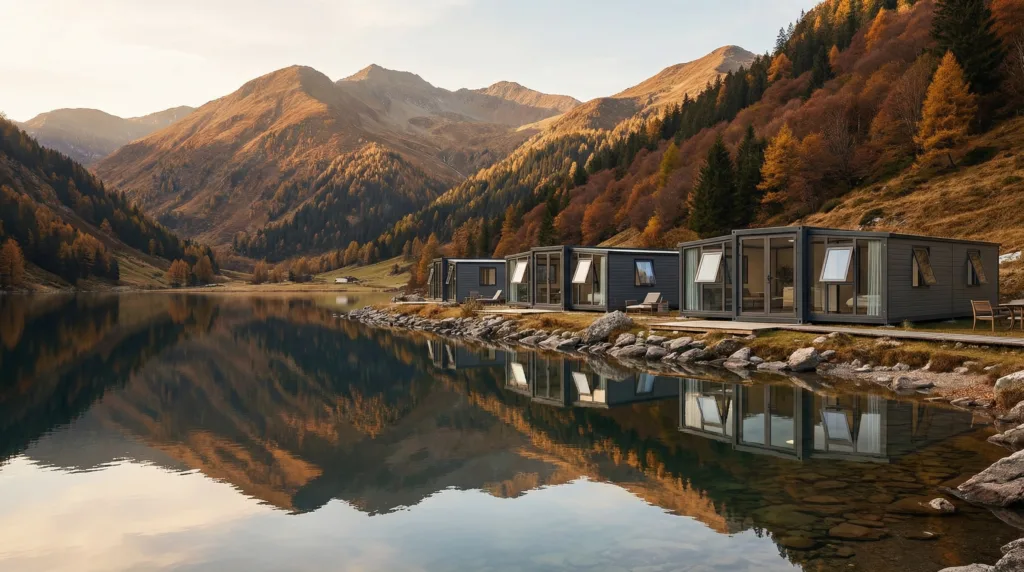
That’s why more people are stopping to compare expandable container homes (https://gsmobilehouse.com/container-house/)vs traditional ADUs — not to chase shortcuts, but to find a solution that improves their property without taking over daily life.
What a Traditional ADU Actually Means in Real Life
A traditional ADU isn’t just a “small extra unit.”
It’s a full construction project — happening right behind your house.
Part of the yard gets dug up. Concrete trucks arrive. Materials are stacked wherever there’s space. Different crews rotate in and out depending on the stage of work.
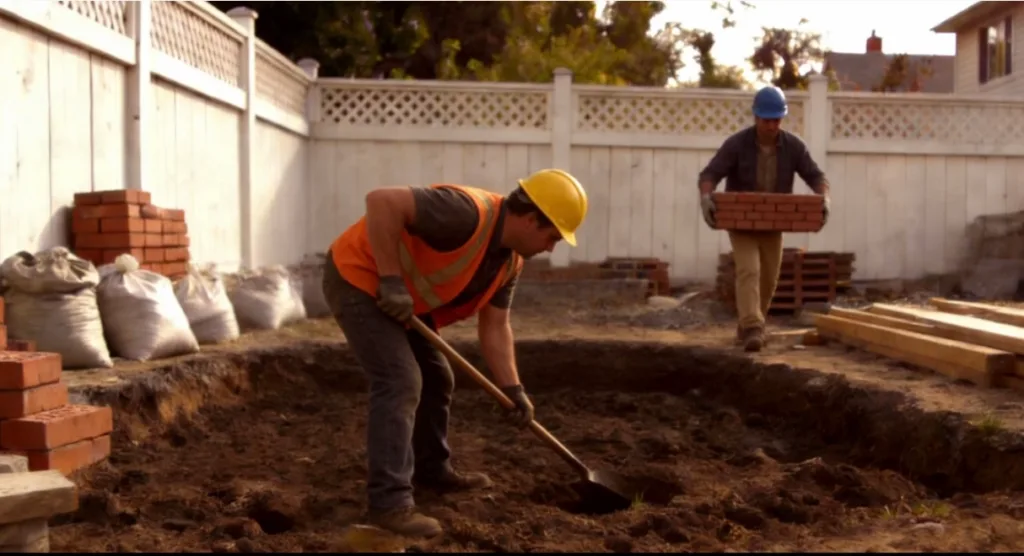
Some days are loud and messy.
Other days, nothing happens at all — and you’re still paying for the time in between.
None of this is unusual. It’s just how building from scratch works.
But when it’s happening a few steps from your back door, it can feel much bigger than the floor plan suggests.
Why Expandable Container Homes Feel Like a Different Kind of ADU Option
Expandable container homes work almost the opposite way.
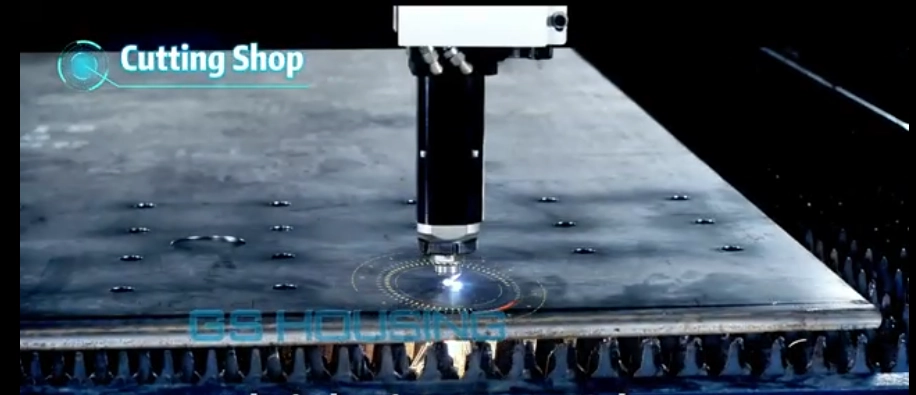
Instead of building everything outdoors, the unit is assembled indoors in a factory. Walls are finished, floors insulated, wiring and plumbing installed, and basic fixtures put in place before it ever reaches your property.
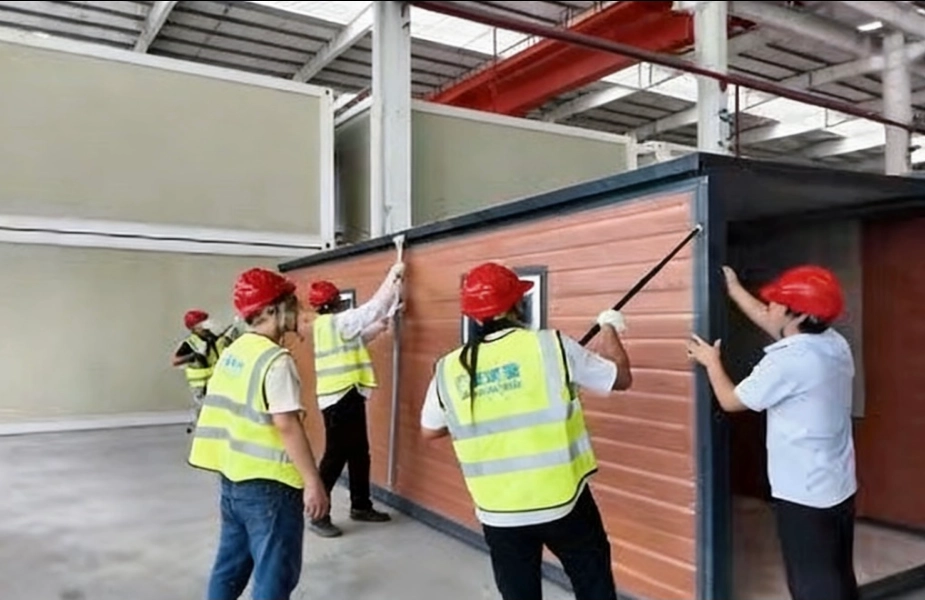
When it arrives, it comes folded on a single truck.
No piles of lumber.
No weeks of deliveries.
A crane sets it down, the sides unfold, and within hours it looks like a finished space instead of an active work site.
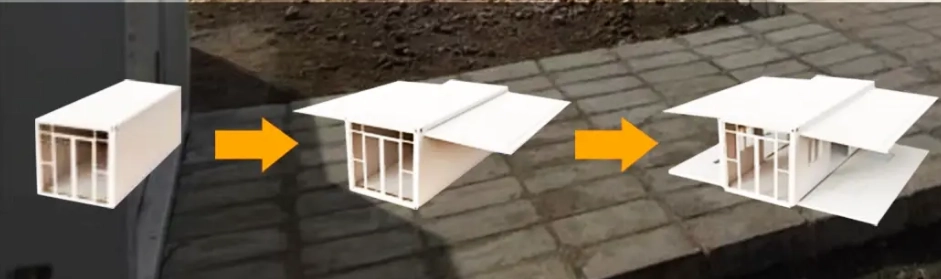
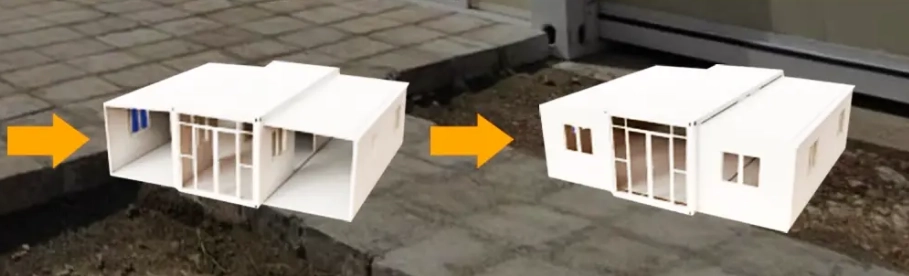
Some manufacturers, like GS Housing(https://gsmobilehouse.com/about-us/), design these units around common backyard sizes and local code requirements in the US, Europe, Australia, and New Zealand — which helps avoid last-minute changes that often slow traditional builds.
Construction Time: Months of Living Around It vs Weeks of Progress
Traditional ADU timelines depend on a lot of moving parts — contractors, inspections, weather, and simple scheduling.
In many areas, that adds up to 6–12 months from start to finish.
Expandable container homes compress that dramatically. Factory production usually takes 4–6 weeks, and on-site installation is often finished in a single day.
From order to move-in, many homeowners are done within 8–10 weeks.
That difference isn’t just about speed.
It’s about how long your home feels “in limbo.”
Total Cost: Where the Money Actually Goes
When people hear the price of a traditional ADU, it often sounds manageable at first. The problem is how that number gets there.
There’s the design phase — architects, drawings, revisions.
Then labor — different crews, different schedules, different hourly rates.
Then materials — ordered in batches, sometimes delayed, sometimes reordered.
Each part makes sense on its own. But together, they stretch the budget over time.
By the end, a 30–40㎡ site-built ADU often lands around:
US: $150,000–$300,000
Europe: €120,000–€250,000
Australia & New Zealand: AU$180,000–AU$350,000
What surprises many homeowners isn’t just the total — it’s how much of it goes to coordination, waiting, and on-site labor.
Expandable container homes simplify that picture.
Design, structure, and core systems are already worked out before the unit arrives.
For a ~37㎡ expandable container ADU(https://gsmobilehouse.com/20ft-expandable-container-house-your-flexible-space-solution/), pricing often starts around $40,000–$80,000, depending on layout and local requirements.
Permits and Approvals: Where Many ADU Projects Stall
Permits are where a lot of ADU projects quietly lose momentum.
With a traditional build, everything is custom. Plans go in, questions come back, revisions are made, and the clock keeps ticking.
Expandable container homes don’t skip permits, but they tend to make them easier.
Instead of evaluating a brand-new idea, inspectors are often reviewing something standardized and familiar.
In many areas, homeowners complete approvals in 2–4 weeks, depending on local rules.
Rental Income and ROI: When the Decision Feels Easier to Live With
With a traditional ADU costing around $200,000, rental income often takes 6–7 years to fully balance out the investment.
With an expandable container ADU closer to $60,000, that timeline shortens significantly.
Final Thoughts: Choosing an ADU That Fits How You Actually Live
Adding space to your property is rarely the mistake.
Letting the process take over your life is.
If your goal is rental income, flexible housing, or long-term value — without turning your backyard into a long-term construction site — it’s worth looking beyond traditional approaches.
A factory-built ADU doesn’t feel like cutting corners.
It feels like choosing a solution that respects your time, your space, and your daily life.(https://gsmobilehouse.com/contact/)