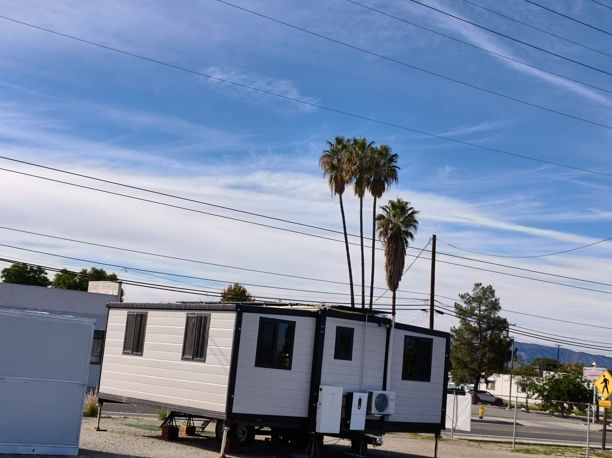
Why People Start Looking Beyond Standard Container Homes
Most people don’t begin their search with an expandable container house.
They usually start with a standard container unit.
It looks simple.
It looks affordable.
It looks “good enough.”
Then they imagine daily life inside it.
Where the bed goes.
Where you sit during the day.
What it feels like after a few weeks—especially if it’s not just you.
That’s when doubts show up. Not about price or delivery.
About space. About comfort. About whether this is still workable six months in.
This is usually the moment expandable container houses enter the conversation.
What This Article Is Really About
This isn’t a technical manual.
It’s not a sales pitch.
It’s meant for people seeing expandable container housing for the first time and asking a very basic question:
“How does this actually work—and is it practical in real life?”
If you’ve only seen photos, this should help you picture the experience.
If you’ve compared quotes but don’t know what’s behind them, this should clarify a lot.
What an Expandable Container House Actually Is
At its core, an expandable container house is still part of prefabricated container housing.
It’s built in a factory.
It ships as a compact unit.
And it opens up on site.
The difference is that it doesn’t force all activities into a single narrow strip of space.
During transport, it stays the width of a standard container.
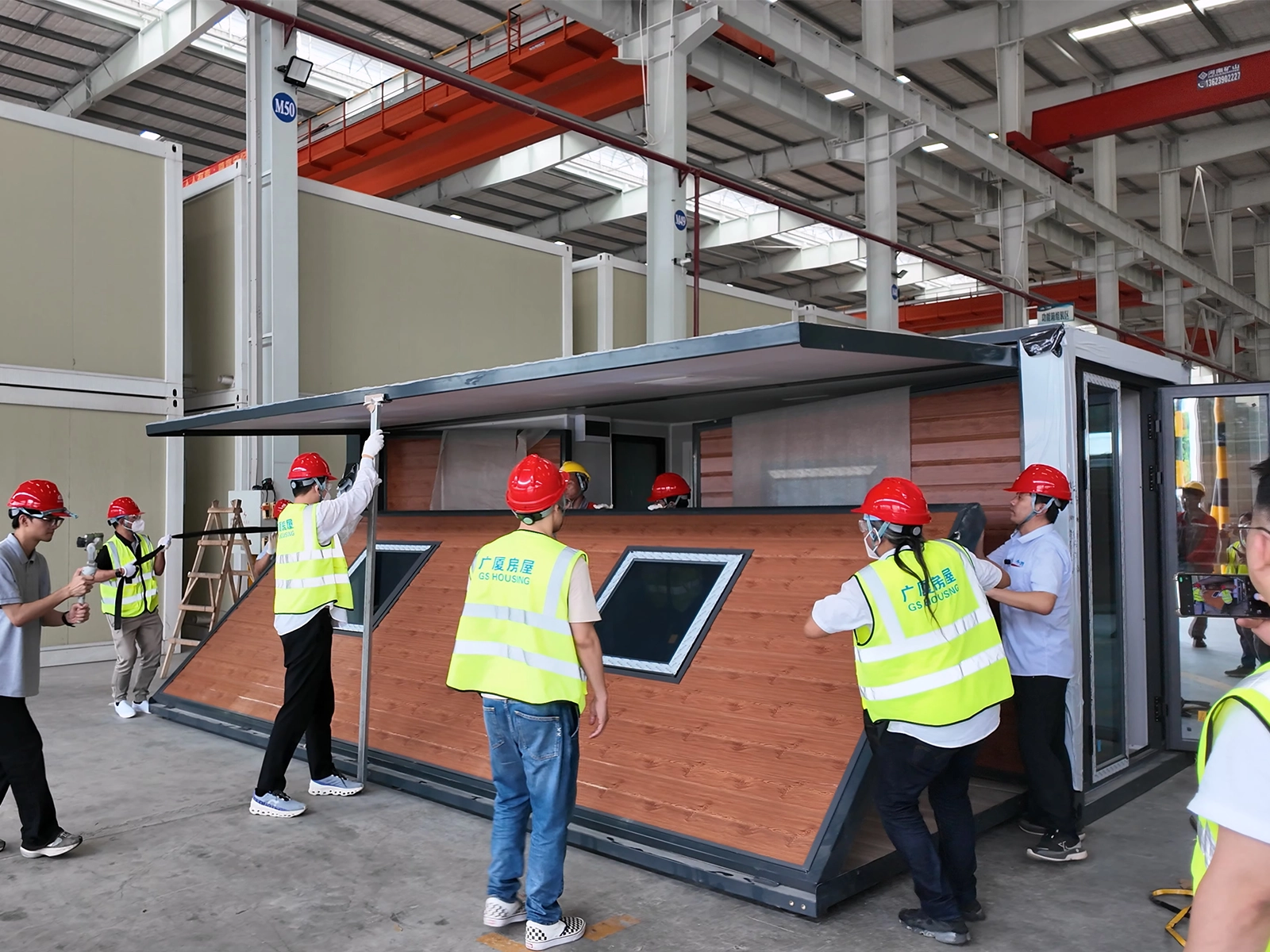
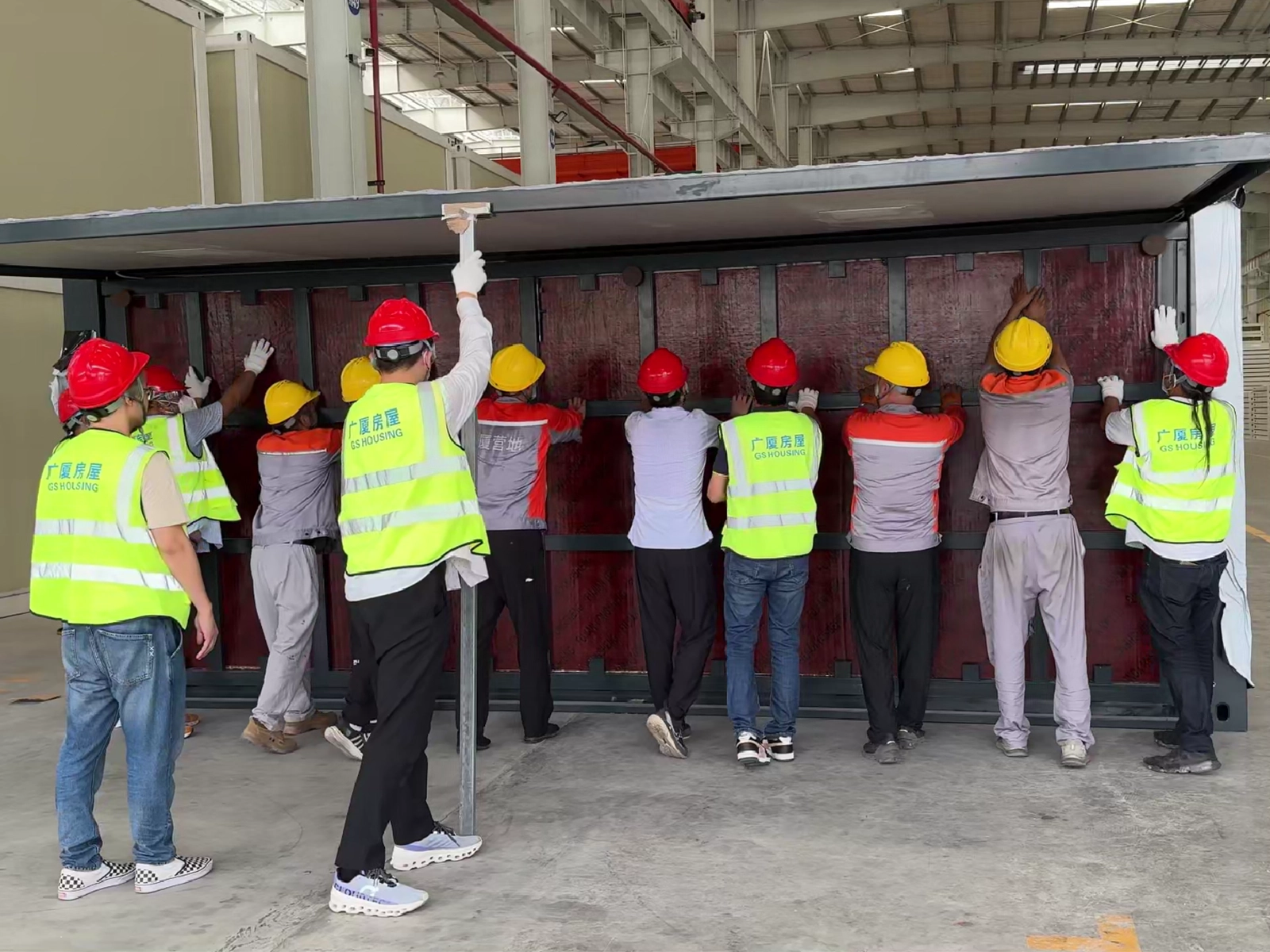
Once installed, side sections unfold and lock into place, increasing usable width without changing the shipping footprint.
No extra buildings.
No cutting steel on site.
Just space that was designed to open from the beginning.
How the Expandable Container Mechanism Works (Without Overthinking It)
People often assume that anything “expandable” must be fragile.
In reality, the expandable container mechanism is fairly simple.
Most designs use:
A fixed central steel frame (this never moves)
Side modules that either hinge outward or slide out
Mechanical locks that fix everything in place once opened
Think less “transformer” and more “well-built folding structure.”
Once expanded and locked, those side sections stop behaving like moving parts.
They function as standard walls and floors.
Why the Space Feels Different Once It’s Open
This is the part people don’t fully understand until they step inside.
A standard container doesn’t feel uncomfortable just because it’s small.
It feels uncomfortable because it’s linear.
Everything lines up in one direction: bed, table, kitchen, door.
No separation. No breathing room.
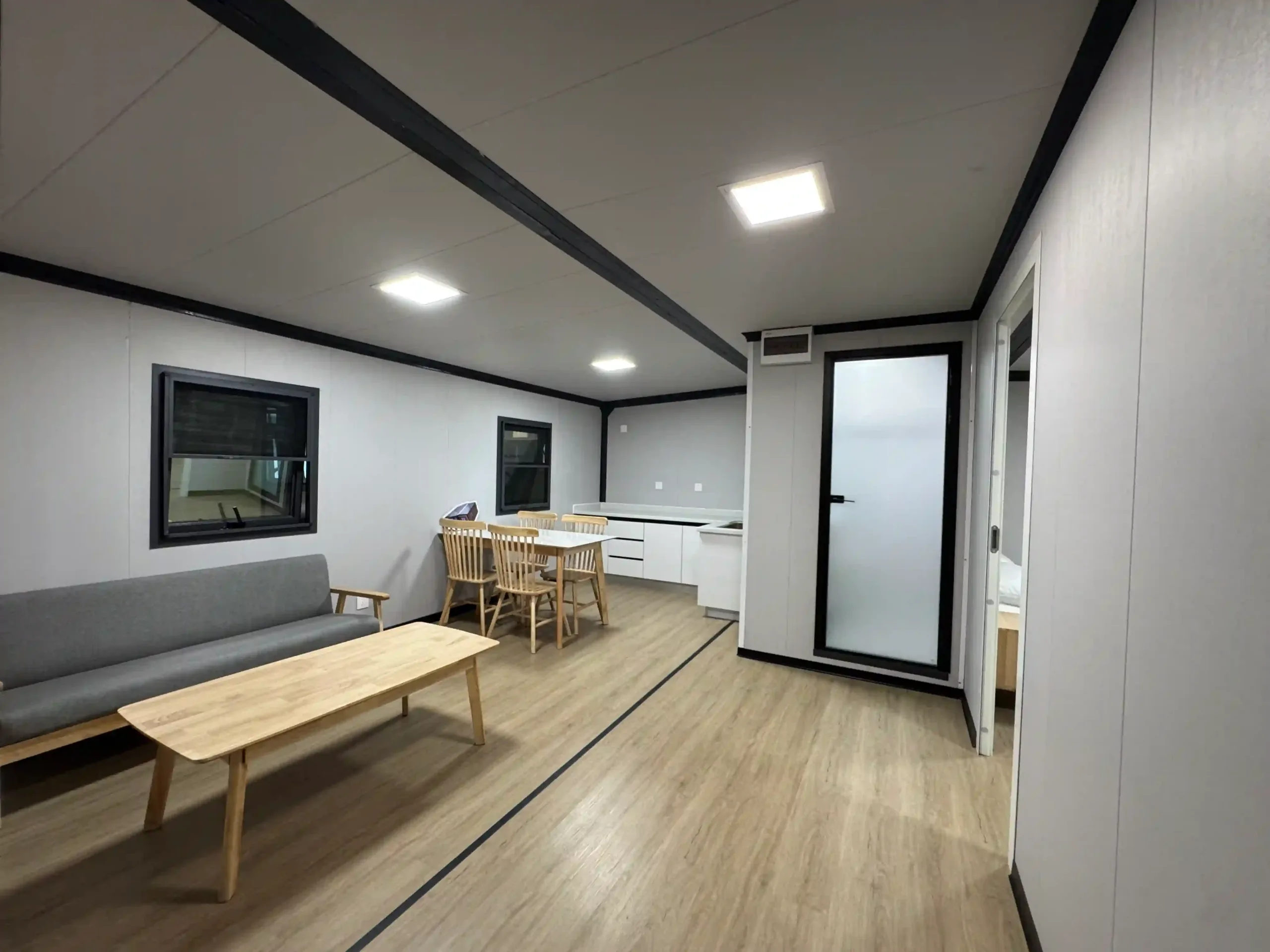
Expandable designs change this by widening the space sideways.
Once open:
Furniture stops blocking movement
Living and sleeping areas stop overlapping
You can walk around instead of through things
It doesn’t suddenly feel “large.”
It feels organized.
That’s why many long-term users describe expandable units as “livable,” not just “bigger.”
Is the Structure Still Solid After Expansion?
This is usually the first serious concern—and a fair one.
The key point is that strength does not come from the moving parts.
In a well-designed expandable container house structure, the load is carried by the fixed frame.
The expanded sections are reinforced modules, not thin panels.
Once locked, they behave like permanent components.
Manufacturers with long-term project experience—such as GS Housing’s modular container housing systems(https://gsmobilehouse.com/container-house/)—design these units specifically to stay expanded for months or years, not to open and close repeatedly.
From the inside, it doesn’t feel temporary.
It feels stable.
What Happens to Wiring, Plumbing, and Insulation?
Nothing complicated—and nothing improvised on site.
Utilities are planned around movement from the start:
Electrical cables run through protected channels with built-in slack
Plumbing uses flexible connectors only where movement occurs
Insulation continues across joints instead of stopping short
Everything is pre-installed and tested before shipping.
Once expanded, the systems stay fixed.
No exposed cables. No loose pipes.
When Expandable Container Houses Make Sense
Expandable container houses work best when:
Transport efficiency matters
On-site space is limited
People will live or work inside for months, not days
That’s why they’re common in:
Remote worksites
Project-based staff housing
Transitional or semi-permanent living setups
They’re often used alongside other modular container house design solutions, especially where flexibility matters but full traditional construction doesn’t.
They’re not ideal if you need frequent relocation or high-end customization.
They sit squarely in the practical middle ground.
How This Fits into Modular and Prefabricated Container Housing
Expandable units aren’t a separate category—they’re part of a broader modular approach.
Factory-built.
Repeatable.
Predictable.
That’s the value of prefabricated container housing.
Expandable designs simply add flexibility after delivery, without increasing shipping complexity.
This is why they’re often integrated into larger modular housing projects rather than used alone.
A Practical Way to Think About Expandable Container Houses
Expandable container houses exist for a simple reason.
Standard containers work on paper—but not always in daily life.
If you’ve ever thought,
“This setup is fine… but only for a while,”
then you already understand the problem they’re solving.
They’re not about novelty.
They’re about making container-based housing workable over time.
Final Takeaway: Is This a Viable Option for Your Project?
Whether an expandable container house makes sense comes down to a few practical questions:
Will the unit stay on site and expanded long-term?
Do occupants need real separation between living functions?
Are transport limits or site conditions restricting traditional builds?
If those answers lean toward “yes,” expandable container housing is worth serious consideration.
If you want to check feasibility for your specific site or use case—climate, duration, number of occupants—having a quick discussion with an experienced modular housing provider can save a lot of trial and error later.
For projects where expandable units are part of a broader plan, teams often start by reviewing similar long-term deployments from companies like GS Housing(https://gsmobilehouse.com/contact/) before locking in a direction.
Not to buy immediately—but to confirm whether the solution actually fits.