If you’ve been searching phrases like “modular housing trend,” “temporary housing solutions,” or “expandable container house market,” you’re probably not chasing design inspiration.
You’re trying to solve a real problem.
Maybe housing is delaying a project.
Maybe costs keep creeping up after construction starts.
Maybe the site is remote, the schedule is tight, and traditional building just feels… unrealistic.
This article is for that moment.
Instead of selling products or pushing hype, we’ll look at why modular and expandable housing is gaining traction globally, what pressures are driving this shift, and where expandable container houses actually make sense in the real world.
No buzzwords. No glossy promises. Just industry logic, lived experience, and patterns that keep repeating across projects.
The Bigger Picture: Why Housing Demand Is Shifting
What’s changing isn’t just how buildings are made—it’s where, when, and under what constraints housing is needed.
1. Projects Move Faster Than Housing Can Keep Up
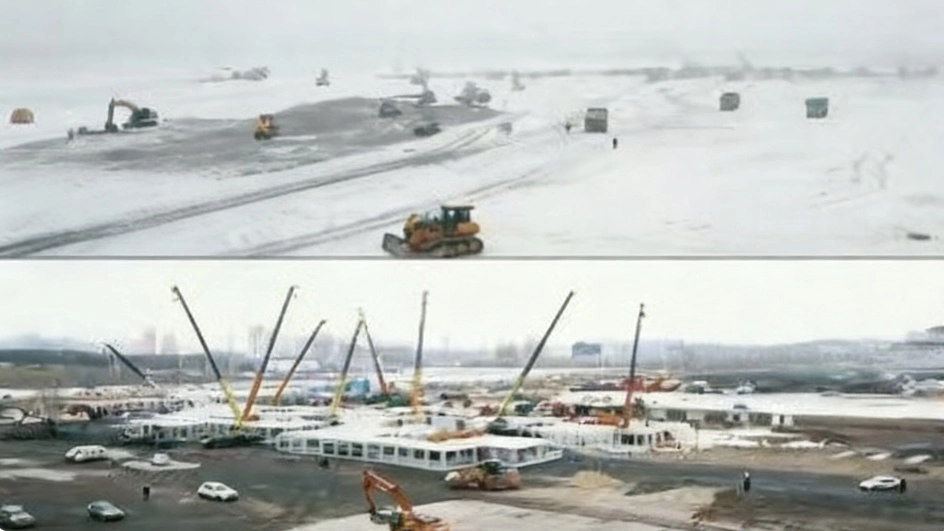
In infrastructure, energy, and industrial construction, timelines are getting shorter—not longer.
Housing, however, often follows old rhythms:
Long permitting cycles
On-site labor dependence
Weather-driven delays
That mismatch is pushing decision-makers to look beyond conventional builds. The modular housing trend isn’t about novelty—it’s about keeping housing aligned with project reality.
When people arrive before housing is ready, productivity drops fast. And that’s usually when “temporary” solutions become long-term by accident.
2. Sites Are Harder, Farther, and Less Predictable
New projects increasingly sit in places that don’t forgive mistakes:
Remote valleys
Coastal zones
Industrial deserts
Island locations
Traditional construction struggles here—not because it’s inferior, but because logistics compound every risk.
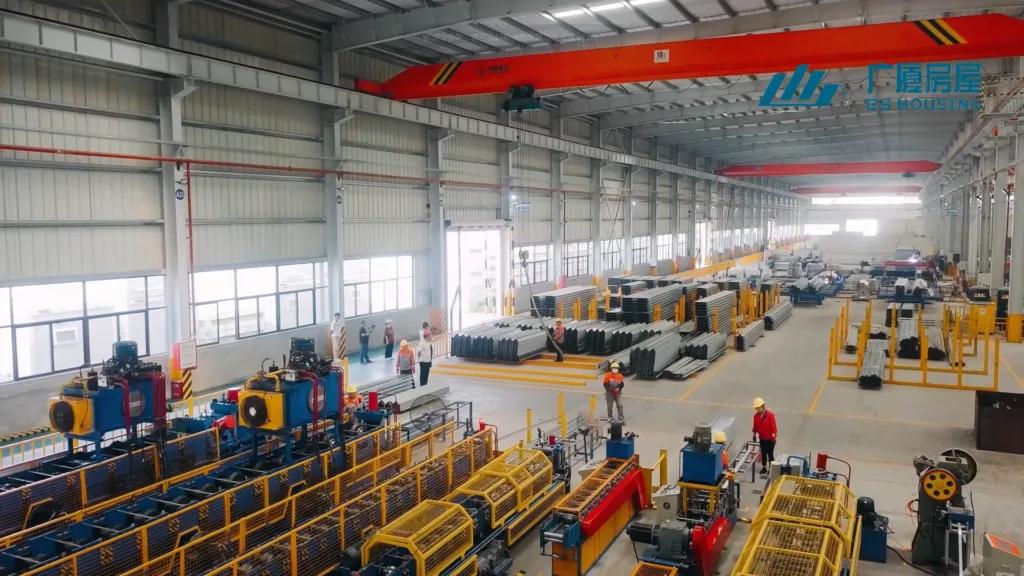
This is where prefabricated container housing quietly earns its place. Most work happens in the factory. What arrives on site is already tested, enclosed, and predictable. Less improvisation. Fewer unknowns.
3. Cost Pressure Is Now Structural
Labor costs rise. Material prices fluctuate. Delays stack up.
That’s why affordable modular housing is no longer judged only by sticker price. It’s judged by:
Budget stability
Fewer change orders
Reduced on-site exposure
Modular systems don’t eliminate costs—but they make them easier to forecast. And in large-scale or remote projects, predictability often matters more than chasing the lowest quote.
Where Modular Housing Fits Today
Modular housing used to sit on the sidelines as a fallback option.
Today, it’s often the baseline assumption.
Modern modular housing solutions focus on:
Repeatable quality
Faster compliance checks
Defined service life
Easier relocation or reuse
Instead of asking “Is modular housing good enough?”
Many project teams now ask:
“Why take on site-built risk if we don’t have to?”
That question explains why the modular housing trend continues to expand—not as a replacement for all buildings, but as a smarter response to constrained environments.
Why the Expandable Container House Market Is Growing
Within modular housing, expandable container houses fill a very specific gap.
They address a familiar tension:
easy transport vs. livable space.
A standard container ships well—but lives narrow.
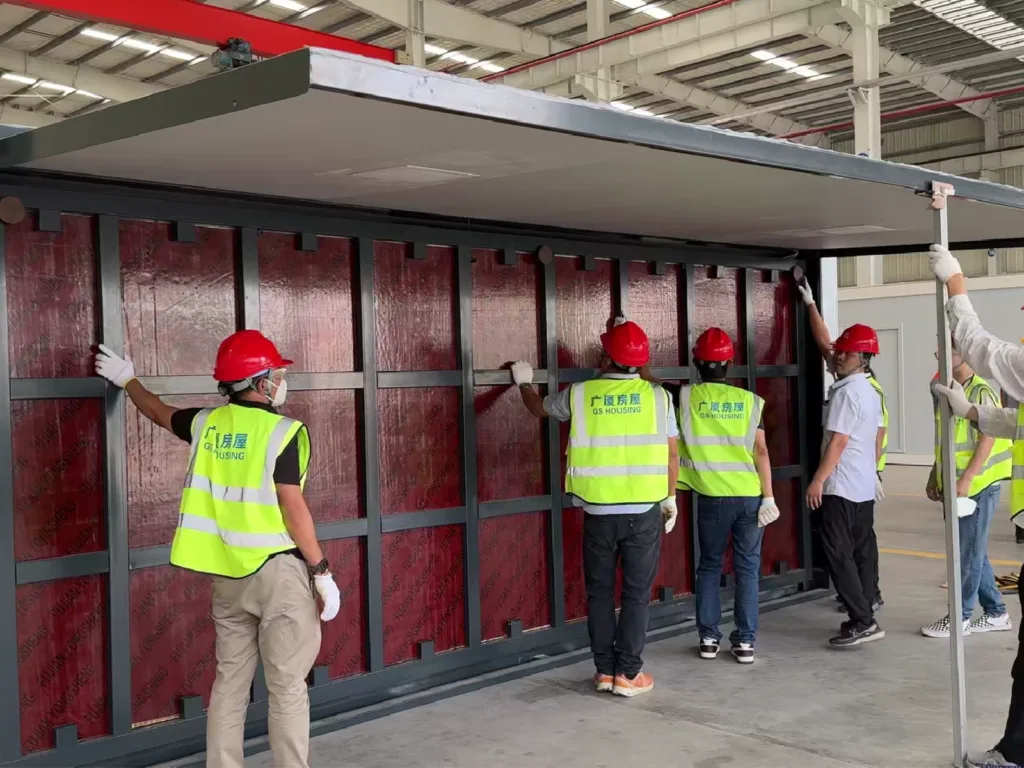
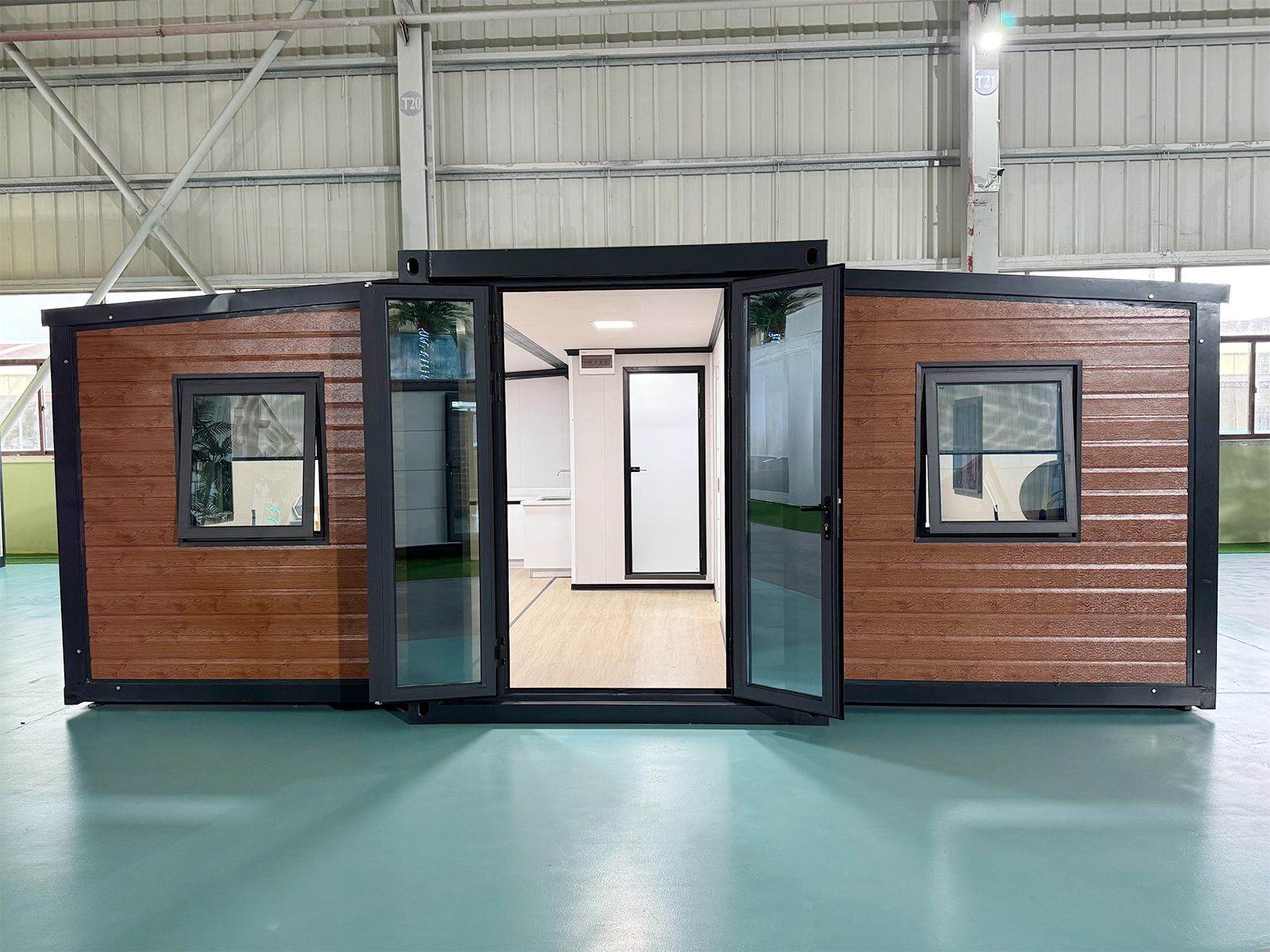
Expandable designs change that by folding inward for transport, then opening on site to create usable width.
That’s why the expandable container house market keeps growing in:
Workforce accommodation
Semi-permanent camps
Remote residential use
Teams experienced in modular delivery—such as those behind GS Housing’s expandable container house solutions(https://gsmobilehouse.com/container-house/)—tend to emphasize not speed alone, but how units perform after months or years of use. That’s usually where “temporary” designs get exposed.
Temporary Doesn’t Mean Short-Term Anymore
In practice, many temporary projects last far longer than planned.
A one-year deployment becomes three.
A stopgap camp turns semi-permanent.
Expandable container houses handle that uncertainty well. They deploy quickly, but—when designed properly—offer insulation, layout separation, and durability closer to long-term housing than emergency shelters.
That middle ground is exactly why they’re being specified more often.
Expectations for Temporary Housing Have Changed
People living in temporary housing today don’t think in terms of “temporary comfort.”
They think about:
Sleeping through extreme temperatures
Privacy after long workdays
Energy bills that don’t spiral
Spaces that feel livable, not improvised
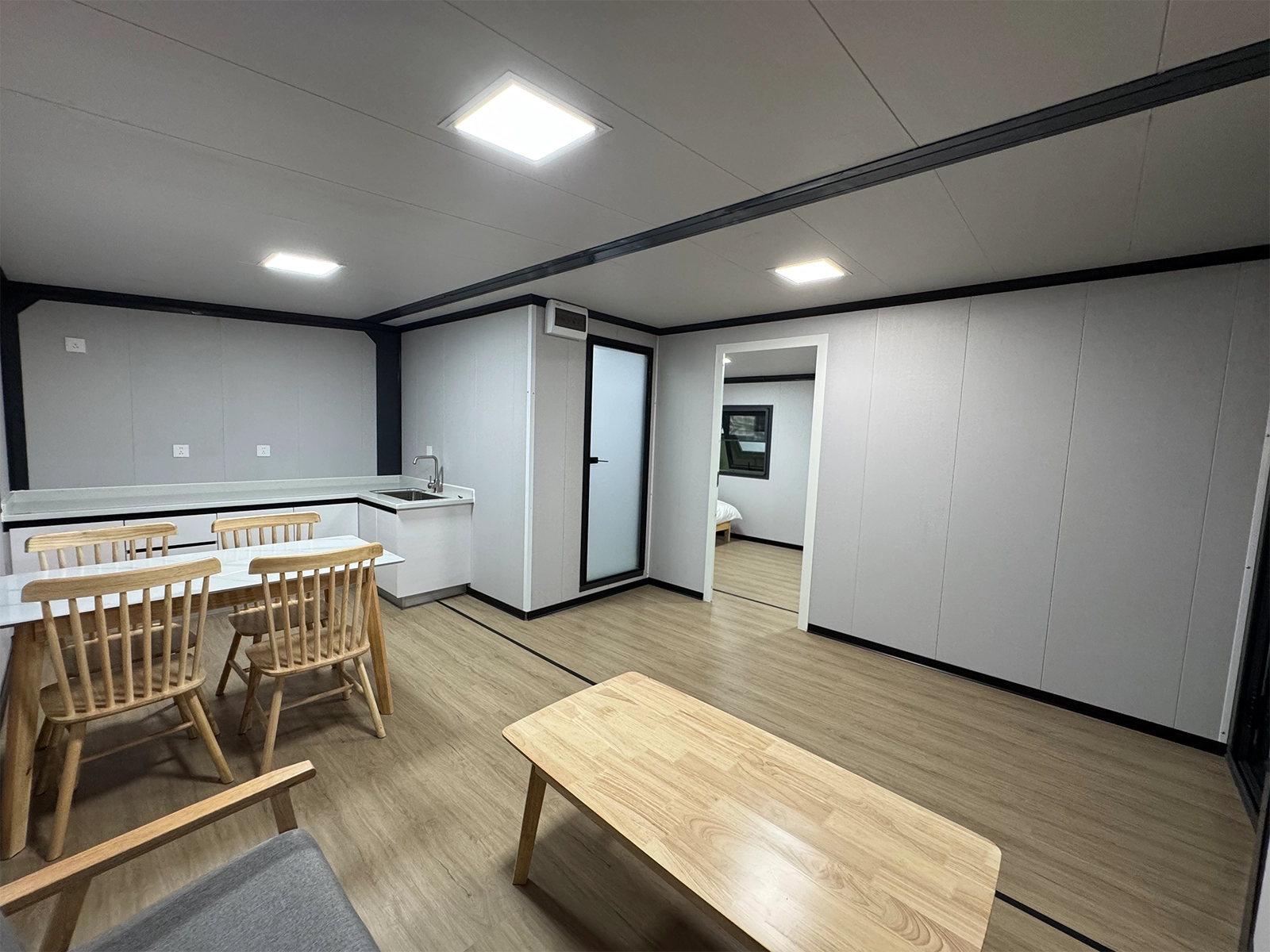
Modern temporary housing solutions increasingly resemble compact apartments rather than dorms. Expandable container houses support this shift by creating real spatial zones without permanent foundations.
Why This Trend Is Unlikely to Reverse
The momentum behind modular and expandable housing isn’t aesthetic—it’s structural.
As long as:
Projects outpace traditional construction
Sites remain remote or constrained
Budgets demand predictability
…the logic behind modular systems holds.
Expandable container housing doesn’t replace conventional buildings. It fills the gap between urgency and permanence—where many modern projects now live.
A Practical Takeaway
Housing decisions today are less about ideals and more about adaptability.
Expandable and modular housing solutions are gaining ground because they respond well when plans shift—which they almost always do.
If you’re weighing options and want to sanity-check whether modular or expandable housing fits your site, climate, or timeline, early feasibility discussions matter. Teams with long-term modular experience—such as those behind GS Housing’s prefabricated container housing projects(https://gsmobilehouse.com/contact/)—tend to focus on what holds up over years, not just what installs quickly.
No rush. No hard sell.
Just clarity before commitments lock in.