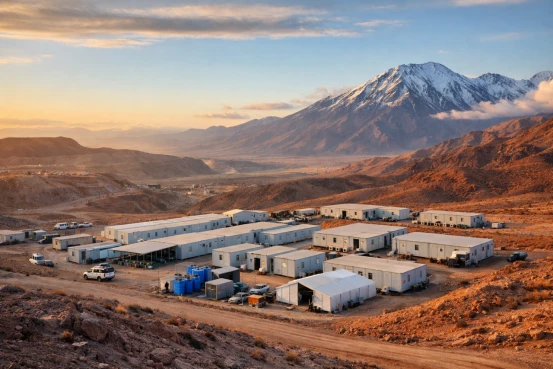
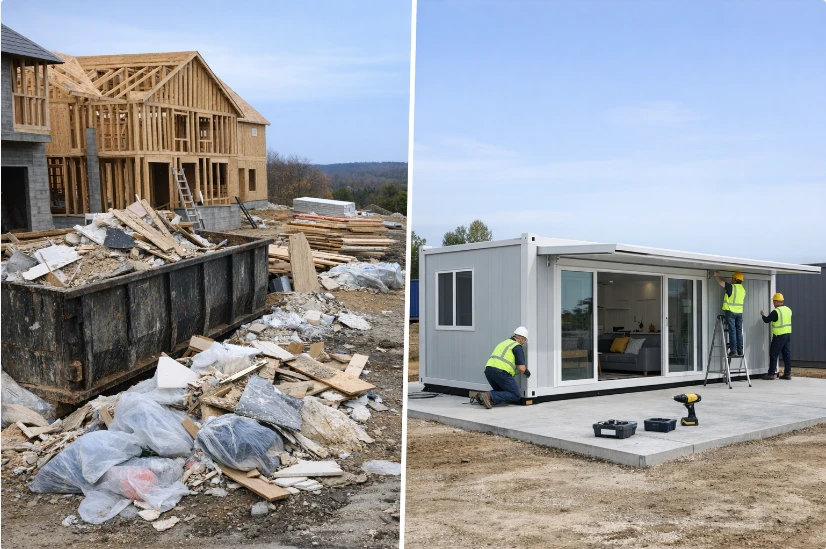
Last year, a copper mine in Chile’s Atacama Desert hit a crisis we see all the time: all their heavy equipment was on-site, 200 workers were booked to fly in, but there was nowhere for them to live. Traditional construction would take 6 months, potentially costing hundreds of thousands of dollars per day in delayed production. This isn’t a one-off mistake—it’s the daily reality for mines, infrastructure jobs, and energy projects across South America, and it’s exactly why the modular housing market in South America is blowing up. As remote projects keep expanding, modular construction South America has gone from a niche option to a must-have, and expandable container houses have emerged as the most reliable fit for the region’s biggest pain points in the entire prefab housing market.
If you’re a distributor, investor, or contractor in the region, this isn’t just a trend—it’s a high-margin opportunity you can’t afford to sleep on.
Where Is The Modular Housing Market in South America Seeing The Most Demand?
The modular housing market in South America didn’t grow overnight. It blew up because traditional construction can’t keep up with projects that are moving further and further from major cities. Think desert mines, Amazon infrastructure jobs, Andean energy developments—all of them have to deal with supply chains that stretch hundreds of kilometers, almost no local skilled labor, and weather that can delay builds for months.
Modular construction South America fixes this by moving 90% of the build into a controlled factory. Three countries are driving almost all the regional demand, and we’ve seen this firsthand on projects in every one of them:
Brazil: Infrastructure Billions Are Creating Steady, Reliable Demand
Brazil’s official 2024–2027 federal infrastructure program has allocated $48.6 billion USD to railways, ports, and logistics hubs. Every single one of these projects needs temporary worker camps, offices, and operational facilities—needs that traditional construction just can’t meet on tight deadlines.
We worked with contractors on Brazil’s Trans-Amazonian railway expansion a few months back: a 500-unit modular camp went up in 4 weeks, compared to the 6+ months traditional builds would have taken. For projects that get fined for every day they’re late, that speed isn’t a nice-to-have—it’s non-negotiable.
Chile: Mining Is The Unshakable Backbone Of The Market
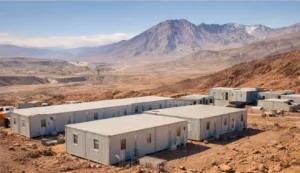
Industry reports from Chile’s National Copper Commission (COCHILCO) highlight a rapid, industry-wide shift toward modular housing in new mining developments across the country. 70% of Chile’s copper mines sit in the Atacama Desert, where building a traditional brick camp is not just slow, it’s prohibitively expensive.
Container houses for mining projects are now the industry standard here. They let operators set up full camps with dormitories, kitchens, offices, and bathrooms in days, not months, and they’re built to handle the desert’s extreme heat and wind without constant repairs.
Peru: Construction & Energy Growth Is Driving Brand New Needs
Peru has seen steady, consistent growth in urban construction and infrastructure development in recent years. Energy and mining projects are pushing deeper into the Andes and Amazon border regions, and all of them need temporary housing for engineers, contractors, and field crews.
Modular worker housing is the only real solution here. Units go up fast, and you can move them when the project shifts—no wasted money on a building you only need for 18 months.
Why Developers Are Switching To Modular Construction in South America
After a few projects, most contractors reach the same conclusion: building everything on site simply doesn’t work anymore.
Contractors aren’t choosing modular because it’s trendy. They’re switching because it fixes the 3 biggest, most costly problems with construction in South America—problems we’ve watched sink project budgets over and over again.
Speed Is The #1 Reason, Hands Down
Traditional construction relies on on-site foundation work, material deliveries, and labor coordination—every single step is prone to delays. With modular construction South America, almost all the work is done in a factory before the units even arrive on-site.
Installation isn’t building from scratch—it’s just assembly. We’ve seen projects get up and running 3–5 months earlier with modular, avoiding millions in lost revenue that would have been eaten up by delays.
Labor Shortages Make Traditional Builds Completely Unrealistic
Remote projects almost never have access to local skilled construction crews. Companies have to fly workers in from major cities, which adds huge costs for housing, transport, and daily per diems.
Industry studies consistently show prefabrication can significantly reduce on-site labor requirements, cutting down on the logistical and cost headaches of bringing in crews from hundreds of kilometers away.
Remote Locations Break Traditional Construction, Plain And Simple
Isolated mines, cross-country highways, and rural energy facilities don’t have local supply chains, no stable work environment, and no way to store materials safely. On-site construction is slow, expensive, and often unsafe.
Modular housing for construction camps bypasses all of that. Units are built off-site, delivered via standard shipping, and set up without a full construction crew.
Why Expandable Container Houses Are The Top Practical Solution For South America
There are plenty of modular options out there, but expandable container houses solve South America’s unique challenges better than any other product. Here’s why we recommend them to almost every client we work with:
Why Deployment Speed Changes Everything For Remote Expandable Container House Projects
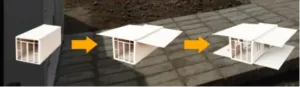
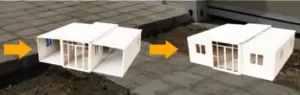
Our 20ft expandable container house units arrive folded up for transport, then unfold and lock into place on-site. Within 4–6 hours, the structure is weather-tight and ready for interior setup.
For mining and construction projects that can’t afford to wait, that speed is a game-changer. We had a client in Peru unfold 20 units for a gold mine crew last year—by the end of the day, the crew was moving in. No concrete pouring, no framing, no waiting for rain to pass.
Getting Modular Housing Units Into Remote Sites Across South America
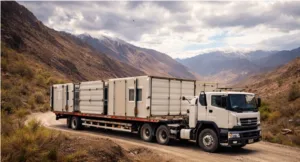
Logistics is the single biggest headache for remote projects in South America. Expandable container houses are built to standard shipping container dimensions, so they work on narrow rural roads and with standard transport equipment.
Even for sites 300+ kilometers from the nearest city, delivery is simple and affordable—no specialized trucks or expensive permits needed.
Scaling Modular Worker Housing Camps Without Rebuilding From Scratch
Project crews change constantly. You might have a small team for early site prep, then hundreds of workers for peak production. Expandable systems let you add units as you need them, no wasted space or upfront overspending.
That flexibility is exactly why they’re perfect for modular worker housing and mobile construction camps.
Built For Deserts, Mountains, And Industrial Zones: Container Houses For South American Mining Projects
From 45°C+ heat in the Atacama Desert to heavy rain and wind in the Andes, our 30ft expandable container house models are made with galvanized steel frames and fire-resistant, insulated wall panels. They’re engineered to last 20+ years in harsh conditions, no constant upkeep needed.
Market Opportunities For Developers, Contractors & Distributors in South America
The modular housing market in South America isn’t just a construction trend—it’s a high-margin, low-risk opportunity for anyone already working in the region’s construction, mining, or industrial sectors.
Infrastructure Projects: Recurring, Reliable Revenue For Container House Projects
Railways, highways, and industrial facilities create constant, recurring demand for container house projects. Temporary housing and office needs are standard for every large infrastructure job, and they’re a steady, predictable revenue stream you can count on.
Construction Camps: The Fastest-Growing Segment For Modular Housing
Large contractors don’t build camps from scratch anymore. They use prefab units to save time and focus on their core project. Modular housing for construction camps is now a standard, non-negotiable product for major worksites across the region.
Mining & Energy: The Largest, Most Stable Market Segment
Mining and energy projects are the biggest users of modular housing in South America. Remote operations need reliable, long-lasting worker accommodation, which makes container houses for mining projects the most consistent, highest-demand segment in the market.
Distribution: Low-Upfront-Cost, High-Margin Partnership Opportunities
As demand grows, manufacturers are partnering with regional distributors to serve local markets. For anyone already supplying construction or mining clients, this is a natural expansion with zero factory investment needed.
You handle local sales and on-site support, the manufacturer handles production and logistics. The Latin American Building Materials Distributors Association found average margins for these partnerships sit between 22–28%—far higher than most traditional building supplies.
Future Outlook of The Modular Housing Market in South America
We talk to distributors, contractors, and mine operators across Chile, Brazil, and Peru every single week—and the one thing everyone agrees on is this: demand isn’t slowing down anytime soon, a trend backed by South America prefabricated home market growth data from leading industry research firm Cognitive Market Research.
Grand View Research’s 2024 Latin America Prefabricated Housing Report backs up exactly what we’re seeing on the ground: the regional prefab housing market is on track to grow 8.2% every year between 2025 and 2030, hitting $2.07 billion USD by 2028. From what we’ve seen with our own partners, expandable container houses are set to grab nearly 15% of that total market share—faster than any other modular product on the market.
First, we’re seeing booming urban populations across the region drive unmet demand for fast, affordable housing—something traditional builders simply can’t keep up with, even in major cities. Beyond that, federal governments across Brazil, Chile and Peru are locking in record infrastructure investment for the next 5+ years, with no signs of pulling back on large-scale projects. Finally, mining and energy projects keep pushing further into remote, hard-to-reach areas that traditional construction just can’t serve reliably.
At the end of the day, these trends all point to one thing: expandable container houses are only going to get more essential to how South America builds, for every project from remote mines to city housing.
Frequently Asked Questions About South America’s Modular Housing Market
What is the modular housing market in South America?
It’s the fast-growing sector of factory-built modular construction South America solutions, serving mining, construction, infrastructure, and urban development across Brazil, Chile, Peru, and the broader region.
Why are expandable container houses so popular in South America?
They offer ultra-fast deployment, easy transport to remote sites, flexible scaling for changing workforces, and extreme durability—all of which solve the region’s biggest construction pain points we see every day.
Which industries use modular housing the most?
The top users are mining companies, construction contractors, infrastructure developers, and energy project operators.
Are expandable container houses suitable for remote sites?
Yes—they’re designed specifically for isolated mines, construction camps, and rural projects where traditional construction is slow, costly, or impossible.
What opportunities are there for distributors in this market?
Distributors can partner with manufacturers to sell expandable container houses and modular worker housing, tapping into high regional demand with low upfront costs and strong, stable profit margins.
Final Takeaways For South America’s Modular Housing Market
The modular housing market in South America is growing because the region’s projects need faster, more flexible, more reliable building solutions. Traditional construction can’t keep up, and modular has become the new industry standard.
Expandable container houses lead the market as the most practical, high-performance option, excelling in mining camps, construction sites, and infrastructure projects across the continent.
For distributors, contractors, investors, and developers, this is a high-growth, low-saturation opportunity with long-term, data-backed demand. As the prefab housing market continues to expand, modular solutions will only become more essential to South America’s construction and industrial sectors.