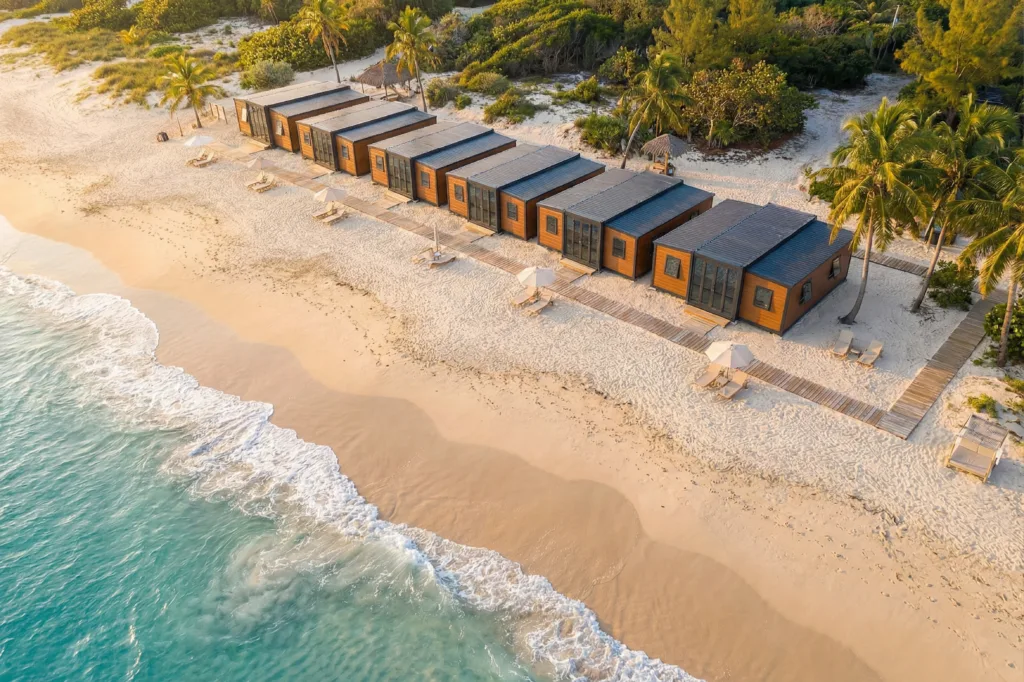
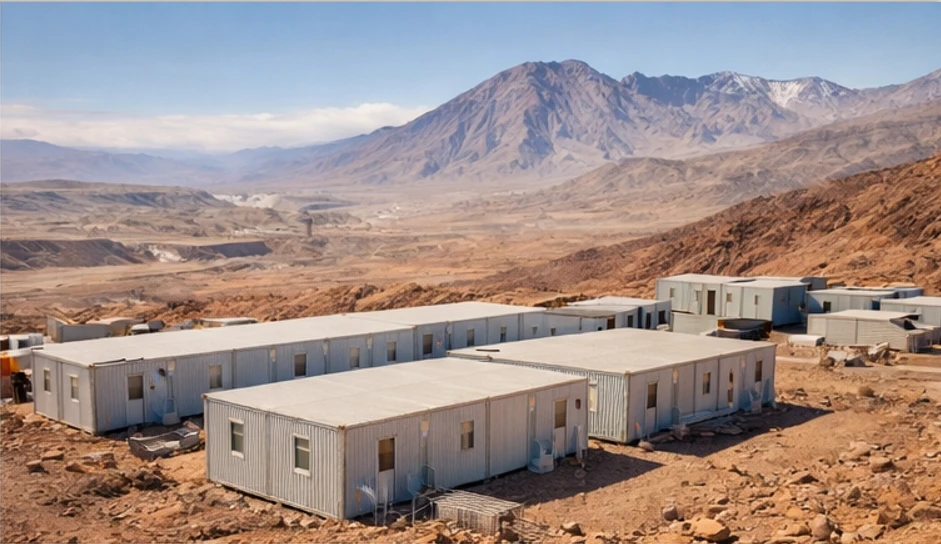
What Is a Modular House?
A modular house is not just a building.
It’s a construction method.
Instead of building everything on-site, units are manufactured in sections — or fully completed — inside a factory, then transported and assembled where they’re needed.
That one shift directly changes how your project performs:
Shorter construction timelines
More predictable costs
Reduced labor dependency
Lower project risk
In many real projects, factory-built construction reduces timelines by 30–50%.
But in 2026, the real question is no longer:
“Modular or traditional?”
It’s:
Which modular housing system actually maximizes your ROI?
As explained in our expandable container house vs modular home ROI comparison guide
the real difference isn’t structure — it’s how your capital performs over time.
Main Types of Modular Houses for Different Project ROI
Most buyers group all modular housing together.
That’s where costly mistakes start.
Because the wrong system doesn’t fail immediately —
it shows up later in logistics costs, expansion limits, and slow deployment.
1. Container Houses
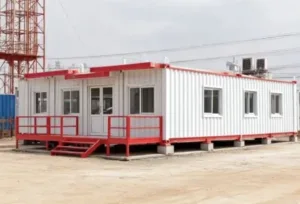
Standard container houses use fixed steel structures.
They are:
- Durable
- Stackable
- Suitable for long-term or semi-permanent use
Common applications:
- Site offices
- Worker accommodation
- Commercial container buildings
Limitation:
They ship in full size, which increases logistics cost — especially for international or bulk projects.
2. Expandable Container Houses
Expandable systems are designed to solve one key constraint:
Transport efficiency vs usable space
They fold during shipping and expand on-site.
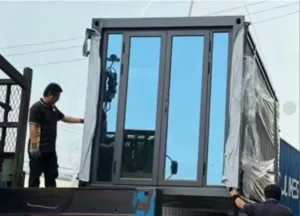
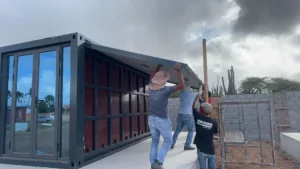
That creates a completely different deployment model:
- Lower shipping cost (40–60% in bulk delivery)
- Single unit setup in 4–6 hours
- Full multi-unit deployment in 1–2 days
- High relocation capability (10+ reuse cycles)
This is why they’re widely used in:
- Rental housing projects
- Tourism developments
- Multi-location deployments
Explore more:
expandable container house solutions for project deployment
3.Folding Container Houses
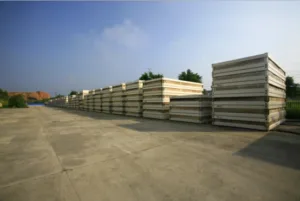
Folding units push mobility even further.
They are ultra-compact during transport and can be deployed within hours.
Best for:
- Emergency housing
- Disaster relief
- Short-term project camps
Trade-off:
- Lower customization
- Shorter lifecycle
4. Tiny Houses
Tiny houses follow a different logic.
They are:
- Design-driven
- Experience-focused
Common in:
- Boutique tourism
- Airbnb-style projects
However:
They are not suitable for large-scale commercial deployment or multi-site expansion.
5. Mobile Houses (Trailer-Based)
Mobile houses are designed for relocation without cranes.
They offer:
- High mobility
- Flexible placement
Use cases:
- Temporary offices
- Small commercial setups
Limitations:
- Restricted size
- Lower structural strength
- Not suitable for large-scale projects
Quick Comparison: Modular House Types
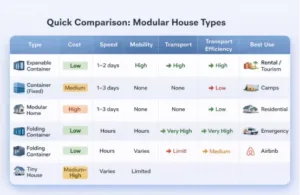
Which Modular House Type Fits Your Project ROI Best?
Construction Projects
If workers arrive before housing is ready, delays cost money daily.
Best fit:
- Expandable container houses
- Folding container houses
Why:
- Fast deployment
- Minimal site work
- Easy relocation
Rental & Tourism Business
Best fit:
- Expandable container houses
- Tiny houses
Learn more:
how modular resorts scale fast with container houses
Coastal & Island Projects
Harsh environments require corrosion resistance and fast installation.
See real solutions:
modular housing solutions for coastal and island projects
Advantages of Modular Houses
1. Faster Construction
Factory production runs in parallel with site work.
2. Predictable Cost
- Stable labor
- Less waste
- Fewer delays
3. Mobility & Reusability
Expandable systems can be reused across projects.
4. Sustainable Construction
- Reduced waste
- Lower environmental impact
Are Modular Houses Worth It in 2026?
Yes — but only if the system matches your project model.
- Need speed + scalability → Expandable container
- Need permanence → Modular homes
There is no universal winner.
Only aligned decisions.
Final Thoughts: It’s About Fit, Not Features
A mismatch doesn’t fail immediately.
It shows up months later —
when costs rise and flexibility disappears.
Before choosing, ask:
How fast do I need to deploy?
Will I relocate later?
Can this scale?
Because modular housing is not just construction.
It’s an asset strategy.