No city wakes up one morning and decides to“fail at housing.”
It happens in smaller moments.
A project gets delayed, so workers need somewhere to stay “for a few months.”
A redevelopment site sits empty longer than planned.
A housing budget looks fine on paper — until labor costs rise again.
Someone eventually says, “We just need something practical for now.”
That’s often where expandable container homes enter the picture.
Not as a bold experiment.
Not as a design trend.
But as the option that still works when everything else starts getting complicated.
Modular by Design — Because Cities Don’t Have Time for Guesswork
In real urban projects, “modular” isn’t about style. It’s about control.
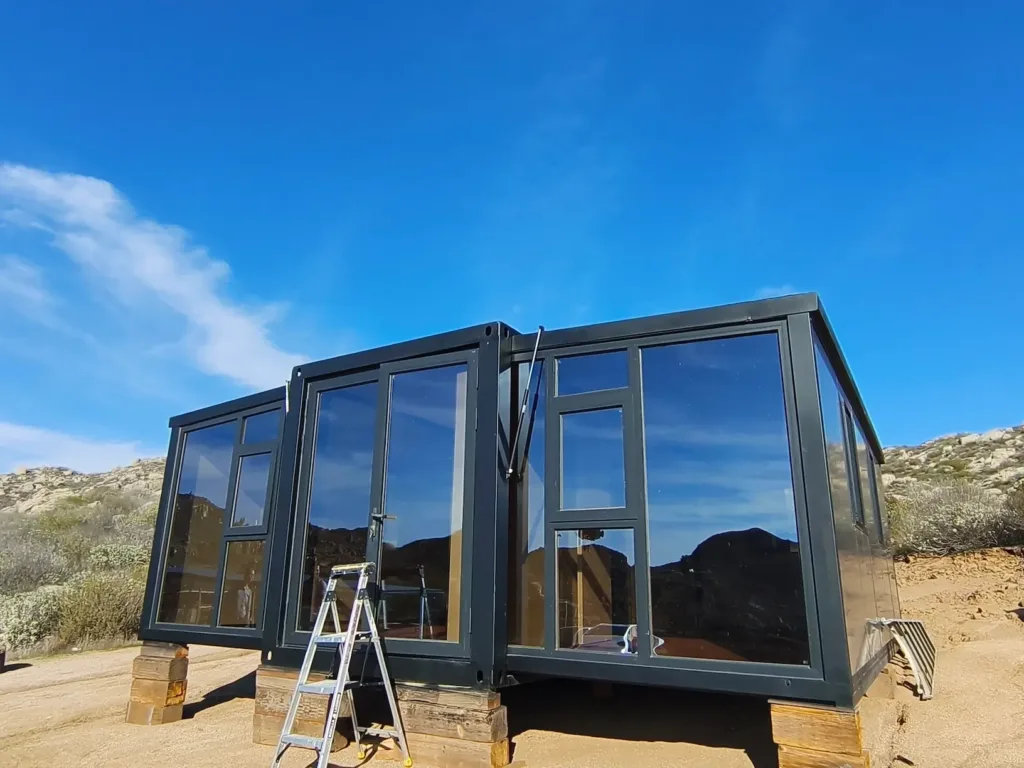
Expandable container homes are modular in a very practical way: most of the critical decisions are made before the unit ever arrives on site.
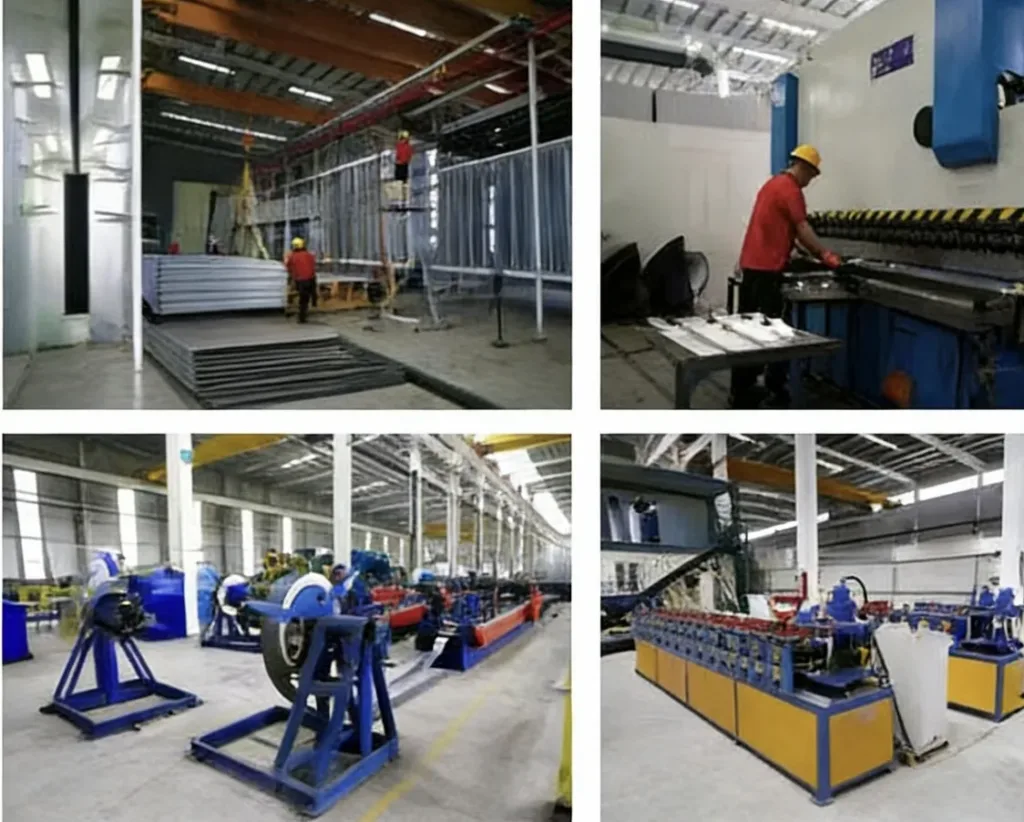
Structure, insulation layers, wiring paths, plumbing zones — these are resolved in the factory, not debated on a noisy jobsite. On site, teams assemble something that has already been tested, not improvised.
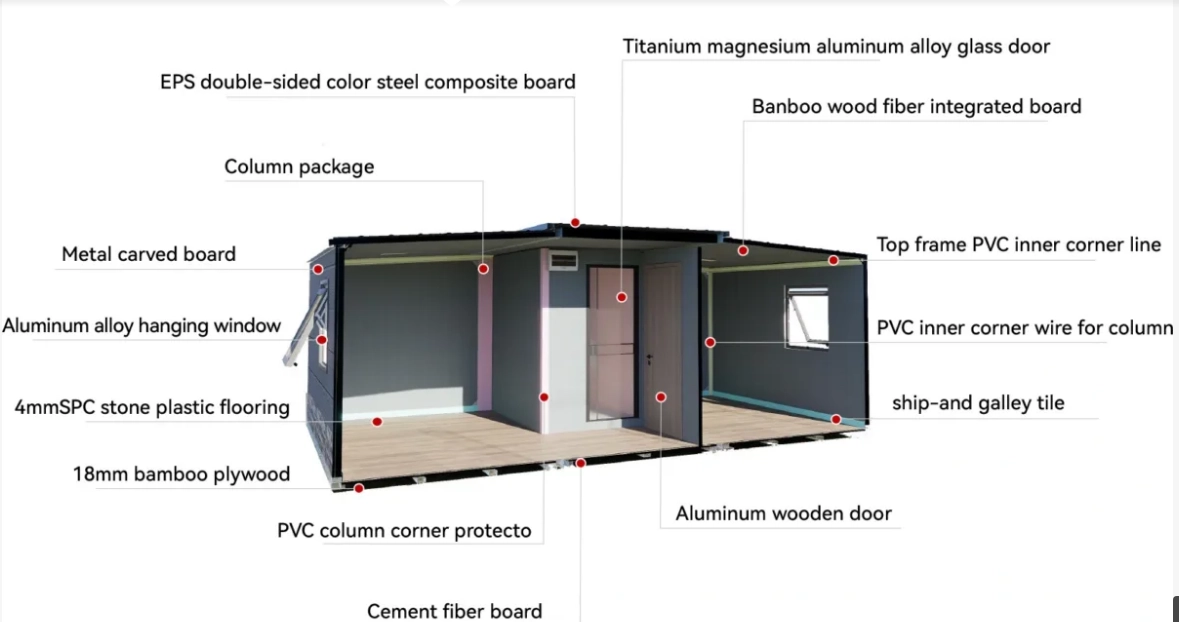
Built with galvanized cold-rolled Q235B steel frames, these units behave more like compact steel buildings than temporary shelters. With proper coatings and routine maintenance, a 15–25 year service life is realistic — even when units are relocated or repurposed.
For city planners and developers, this predictability matters more than aesthetics.
It means fewer surprises, clearer schedules, and fewer late-night fixes.
In dense urban environments, predictability isn’t boring.
It’s a relief.
Internal Link :
In practice, many cities are already using expandable container home systems designed for urban deployment(https://gsmobilehouse.com/20ft-expandable-container-house-your-flexible-space-solution/) , where layouts, insulation, and structural details are finalized before arriving on site.
Flexibility Isn’t a Bonus — It’s the Point
Urban housing rarely stays in one role forever.
What starts as worker accommodation may later become student housing.
A temporary site office might turn into long-term residential use.
Land that looks “available” today might be repurposed in five years.
Expandable container homes are designed around this reality.
They can be relocated when land use changes, reconfigured as occupancy needs shift, and repurposed without demolition. That puts them in a middle space cities often struggle to fill — more stable than short-term shelters, but not locked in like concrete buildings.
They’re not trying to last forever in one location.
They’re trying to stay useful.
Internal Link :
This is why some developers now treat housing more like infrastructure — using expandable container homes that can be relocated, reconfigured, or reused(https://gsmobilehouse.com/container-house/) across different urban phases.
Cost: Less About Being Cheap, More About Being Predictable
When people discuss housing costs, the first question is usually:
“How much does it cost per square meter?”
In real projects, a better question is:
“How much can go wrong?”
Expandable container homes reduce several quiet cost risks:
construction delays
labor shortages
weather interruptions
on-site rework
Because most fabrication happens in controlled factory conditions, budgets are easier to estimate. That doesn’t always make expandable homes the cheapest option — but it makes them easier to plan around.
There’s also a logistics advantage that often gets overlooked.
Expandable units ship compact and open on site. Fewer containers. Fewer lifts. Less congestion — especially important in cities where access is limited.
For many developers and municipalities, that certainty is what makes projects viable at all.
Internal Link :
Manufacturers with long-term field experience — such as GS Housing, which has delivered expandable housing across infrastructure, energy, and urban projects (https://gsmobilehouse.com/company-history/)— tend to focus less on novelty and more on predictability.
Sustainability That Shows Up in Practice, Not Presentations
Sustainability is often discussed in big terms — carbon metrics, certifications, long reports.
Expandable container homes approach it more quietly.
Their sustainability shows up in how they’re used:
less construction waste
shorter on-site work periods
reusable structural systems
relocation instead of demolition
Instead of building permanent structures for temporary needs, cities can deploy housing that adapts with demand.
That doesn’t make expandable container homes a perfect solution.
But it makes them a less wasteful one — which increasingly matters.
Sometimes sustainability is simply about not repeating inefficient choices.
Why Cities Are Paying Attention Now
Urban housing pressure isn’t coming from one direction.
Population growth.
Aging housing stock.
Workforce accommodation shortages.
Climate-related displacement.
Traditional construction still has its place, but it’s slow and often inflexible.
Expandable container homes offer speed without chaos. They allow cities to test housing strategies, scale projects up or down, and respond to real conditions instead of ideal plans.
That’s why these systems are appearing in pilot programs, redevelopment zones, and long-term “temporary” housing plans.
Not as a final answer — but as something that actually works when timelines are tight.
A Practical Urban Application Example
(expandable container homes case study, urban modular housing)
In a mid-sized European redevelopment zone, planners faced a common problem: a 12-month gap between site clearance and permanent construction, with over 150 workers needing compliant accommodation.
Instead of traditional temporary buildings, the project adopted expandable container units.
Deployment finished in weeks, not months.
Costs were significantly lower than on-site builds, mainly due to reduced labor and logistics.
After the project, most units were relocated to a student housing pilot instead of being dismantled.
This kind of outcome isn’t unusual.
From workforce housing to temporary community hubs, expandable systems perform well where adaptability matters more than custom finishes.
They don’t eliminate complexity — they manage it.
Being Honest About the Limits
Expandable container homes are not a universal solution.
They still face real challenges:
local regulations vary widely
zoning approvals take time
design freedom is more limited than custom buildings
comfort depends heavily on insulation quality and layout
They perform best when treated as engineered systems — not shortcuts.
Projects that succeed usually ask practical questions early:
How long will this housing be needed?
Can it be moved later?
What standards must it meet locally?
Expandable housing rewards planning.
It doesn’t forgive assumptions.
What the Future Probably Looks Like
Expandable container homes won’t replace traditional housing.
They don’t need to.
Their role is to fill the uncomfortable gaps — between emergency shelters and permanent buildings, between budget limits and livable standards.
As cities search for affordable housing without locking themselves into irreversible decisions, expandable systems offer something valuable: options.
The future of urban housing isn’t one perfect solution.
It’s a toolbox.
Expandable container homes are becoming one of those tools — not because they’re trendy, but because they help cities move forward without waiting for ideal conditions.
Final Thought
Housing isn’t just about buildings.
It’s about how much uncertainty people — and cities — can live with.
Expandable container homes don’t promise perfection.
They promise adaptability.
And in today’s urban environments, that may be exactly what makes them worth taking seriously.
Internal Link :
If you’re exploring how expandable housing could fit into a real urban timeline — budgets, approvals, and all — a project-level conversation often clarifies more than a brochure ever will.(https://gsmobilehouse.com/contact/)