What Is an Expandable Container Office System?
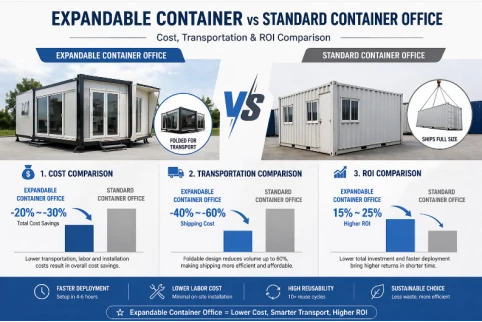
An expandable container office is not just a temporary workspace.
It’s a deployment system for real business operations.
Instead of building offices from the ground up, these units are:
- Manufactured in a factory
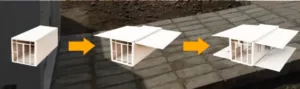
- Shipped in compact form
- Expanded and installed on-site in hours
That single shift changes how projects behave:
- Construction timelines become shorter
- Costs become more predictable
- Labor dependency is reduced
- Project risk becomes easier to control
In simple terms:
It’s not about building an office.
It’s about starting operations faster.
Why Expandable Container Office Solutions Are Growing Fast in 2026 (And Why It Matters for ROI)
Traditional office construction assumes one thing:
You’ll stay in the same place for years.
But in 2026, many projects don’t work like that anymore:
- Construction sites rotate
- Government projects shift locations
- Overseas contracts are temporary
- Teams scale up and down quickly
That’s exactly where expandable container solutions become practical.
Key Advantages of Expandable Container Office Solutions
1. Fast Deployment (Start Working in Days)
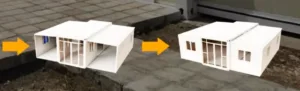
Factory production + simplified installation means:
- A single unit can be operational in 4–6 hours
- A full office setup can be ready in 1–3 days
For projects where timing = money, this directly impacts ROI.
2. Mobility & Reusability
Unlike traditional buildings:
- Units can be relocated
- Reused across multiple projects
- Deployed wherever demand exists
If your project moves — your office moves with it.
3. Lower Capital Risk
Instead of locking budget into permanent buildings:
- You invest in reusable office assets
- You reduce stranded costs
- You keep flexibility for future projects
This is critical for contractors, developers, and EPC projects.
4. Scalable Layout
Start small. Expand when needed.
- Add more units as your team grows
- Adjust layouts based on workflow
- Avoid overbuilding early
Top Projects That Actually Need Expandable Container Office Solutions (Real Use Cases in 2026)
Not every project benefits from this system.
But in the right scenarios, it’s often the most efficient option available.
1. Small Teams & Personal Studios (2–4 People)
If you’re running:
- A small design studio
- A startup team
- A remote working office
You don’t need a long-term lease.
You need:
- A functional workspace
- Fast setup
- Low upfront investment
An expandable container office provides:
- Ready-to-use office space
- Minimal site requirements
- Relocation flexibility
This is why many small teams are moving away from traditional office rentals.
2. Temporary Offices (Government & Corporate Projects)
For projects like:
- Infrastructure construction
- Public works
- Industrial expansion
The challenge is always the same:
You need an office now — but not permanently.
Expandable container offices offer:
- Fast deployment near the site
- Compliance-ready structures
- Easy removal after project completion
If you’re planning a US-based project, it’s critical to understand approvals early.
Learn how expandable container office USA building code compliance works in real projects to avoid costly delays.
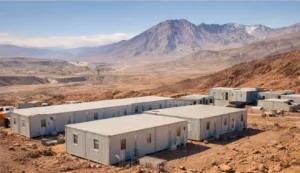
3. Remote & Off-Grid Project Sites
Remote environments often mean:
- No existing infrastructure
- Difficult logistics
- Harsh climate conditions
Traditional construction becomes slow and expensive.
Expandable container offices solve this by:
- Delivering finished units
- Reducing on-site work
- Integrating power, HVAC, and insulation
They are widely used in:
- Mining operations
- Energy projects
- Remote construction bases
4. Overseas & Cross-Border Projects
For international contractors, logistics is often the biggest challenge.
Shipping traditional materials is complex and time-consuming.
With modular office building solutions:
- Units are prefabricated
- Packed efficiently
- Delivered ready to install
For overseas deployment, understanding logistics early is essential — especially how container house transport to USA project sites affects delivery timelines and total project cost.
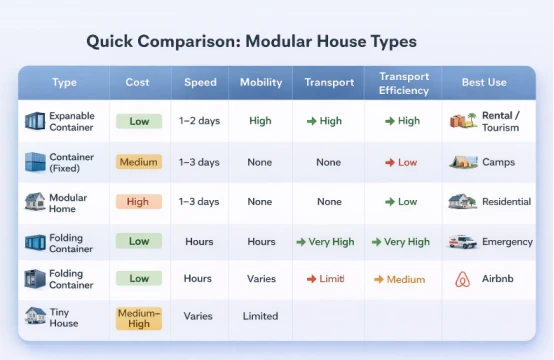
Expandable Container Office vs Modular Office Building: Key Differences
Different modular office systems serve very different ROI models.
| Type | Deployment Speed | Mobility | Best Use Case |
| Expandable Container Office | 4–6 hours | High | Multi-site rotating projects |
| Fixed Container Office | 1–3 days | Low | Long-term single site |
| Modular Office Building | Weeks | None | Permanent use |
| Folding Unit | Hours | Very High | Emergency temporary use |
The key difference is simple:
Expandable systems are built for movement and reuse.
Traditional systems are built for permanence.
Common Mistakes When Choosing Expandable Container Office Solutions
Even with the right system, mistakes can slow your project.
1. Ignoring Local Regulations
Especially in the US:
- Building codes
- Fire ratings
- ADA compliance
Even small oversights can delay your project by months.
2. Choosing the Wrong Structure Type
Not all container units are designed for:
- Commercial use
- Long-term durability
- Multiple relocations
3. Underestimating Logistics Planning
Transport, site access, and crane setup affect:
- Delivery timelines
- Installation cost
- Overall project schedule
4. Overbuilding Too Early
A smarter approach:
- Start with fewer units
- Expand based on demand
When Should You Choose an Expandable Container Office System?
You’re a strong fit if your project requires:
- Fast deployment
- Flexible location
- Multi-phase expansion
- Controlled investment risk
In many projects, the difference isn’t just cost — it’s timing.
Starting operations even 2–4 weeks earlier can significantly improve cash flow, especially in construction, rental, or infrastructure projects.
That’s why more developers are shifting toward deployable office systems.
If your project is:
- Permanent
- Fixed-location
- Real estate-driven
Then a traditional modular office may be more suitable.
Frequently Asked Questions
1.How long does it take to install an expandable container office?
Most single units can be installed within 4–6 hours. Multi-unit setups are typically completed within 1–3 days.
2.Is an expandable container office suitable for long-term use?
Yes. With proper engineering and materials, these offices can last 10–20+ years.
3.Do expandable container offices meet US building codes?
Yes, but they must comply with local regulations such as IBC, fire ratings, and ADA requirements.
Expandable Container Office: A Smarter Deployment Strategy in 2026
The biggest shift isn’t technical.
It’s strategic.
Instead of:
Build → Wait → Use
You get:
Deploy → Use → Move → Reuse
That’s why expandable container office systems are growing fast across:
- Construction
- Government projects
- Global contractors
- Small business operations
Because in 2026:
Speed and flexibility are no longer advantages.
They are requirements.
Need Help Planning Your Office Setup?
If you’re evaluating a real project, the key decisions happen early:
- How fast do you need to deploy?
- Will your office need to relocate?
- How do you control cost across multiple sites?
Explore our expandable container office solutions for different project layouts
Get a free expandable container office quote
Our team will help you:
- Select the right configuration
- Plan deployment timelines
- Identify compliance risks early
— Based on real-world global project experience from GS Housing expandable container office manufacturer .